
The white heart meaning can change depending on the conversation, relationship, and emotion behind it. The 🤍 emoji often suggests purity, kindness, peaceful affection, emotional support, or a gentle form of love rather than intense romantic passion. Its simple appearance also makes it popular in everyday texting and social media.
Understanding the white heart meaning requires looking beyond the emoji itself. A message from a close friend may communicate care, while the same symbol from a romantic partner can express tenderness and sincere affection. Context, wording, timing, and the relationship between two people all help explain what 🤍 really communicates.
What Does the White Heart Emoji Mean
The 🤍 emoji commonly represents pure affection, kindness, peace, care, and emotional support. Unlike stronger or more passionate heart symbols, it often carries a softer emotional tone that feels calm, sincere, and respectful.
🤍 The white heart can express genuine care without making a conversation feel overly romantic. It works especially well when someone wants to show kindness, appreciation, or emotional warmth in a simple way.
✨ Many people use 🤍 to communicate peaceful affection. The symbol can make a supportive message feel softer and more thoughtful without suggesting intense romantic feelings.
🌿 A white heart may represent emotional calm after a difficult conversation. It can quietly say that someone cares, understands, and wants to maintain a peaceful connection.
🕊️ The emoji is often associated with peace and purity. In a message, it may communicate sincere intentions, gentle support, or a desire to keep emotions respectful and uncomplicated.
💫 Sometimes 🤍 simply means “I care about you.” The sender may not be expressing romance at all, but instead showing appreciation, friendship, comfort, or emotional support.
🌸 A white heart can add tenderness to an ordinary message. Its soft appearance makes everyday communication feel warmer while keeping the overall tone calm and understated.
☁️ When someone sends 🤍 after sharing something personal, it may communicate understanding. The emoji can work like a quiet digital gesture of comfort when words seem difficult to find.
🫶 The white heart can represent supportive affection between friends. It may appear after congratulations, encouragement, gratitude, or a heartfelt conversation where emotional connection matters.
🌙 In emotional conversations, 🤍 can suggest quiet affection rather than dramatic emotion. It often feels gentle, making it useful when someone wants to acknowledge feelings carefully.
🕯️ Some people choose the white heart because it feels emotionally neutral. It can express warmth without automatically creating the strong romantic impression associated with a red heart.
🤍 A white heart may also communicate respect. Someone might use it when thanking another person, responding to kindness, or acknowledging a meaningful gesture.
🌼 The symbol can suggest innocent or wholesome affection. Its clean appearance makes it popular in conversations involving family, close friends, children, or supportive relationships.
💭 When used after a thoughtful message, 🤍 can reinforce sincerity. It tells the reader that the words were received emotionally rather than treated as casual conversation.
🪽 A white heart sometimes carries a comforting quality. People may use it when offering sympathy, encouragement, or gentle reassurance during an emotionally sensitive moment.
🌱 The emoji can represent a peaceful connection that is still developing. In early relationships, it may communicate interest while avoiding an overly intense romantic declaration.
💌 A white heart can make a short text feel affectionate. Even a simple “Thank you 🤍” may sound warmer and more personal than the words alone.
🌈 The meaning can depend heavily on surrounding words. “Proud of you 🤍” usually feels supportive, while “I miss you 🤍” may carry a more romantic emotional layer.
🧡 Some users choose 🤍 simply because they like its aesthetic. In social media posts, it may contribute to a clean, minimal, soft, or peaceful visual style.
🌻 The emoji does not have one universal interpretation. Cultural background, age, online habits, and personal communication style can all influence how a white heart is understood.
💗 Overall, 🤍 usually communicates warmth in a gentle way. It can mean care, support, affection, peace, or love, but the surrounding conversation provides the most reliable clue.
White Heart Meaning in Texting
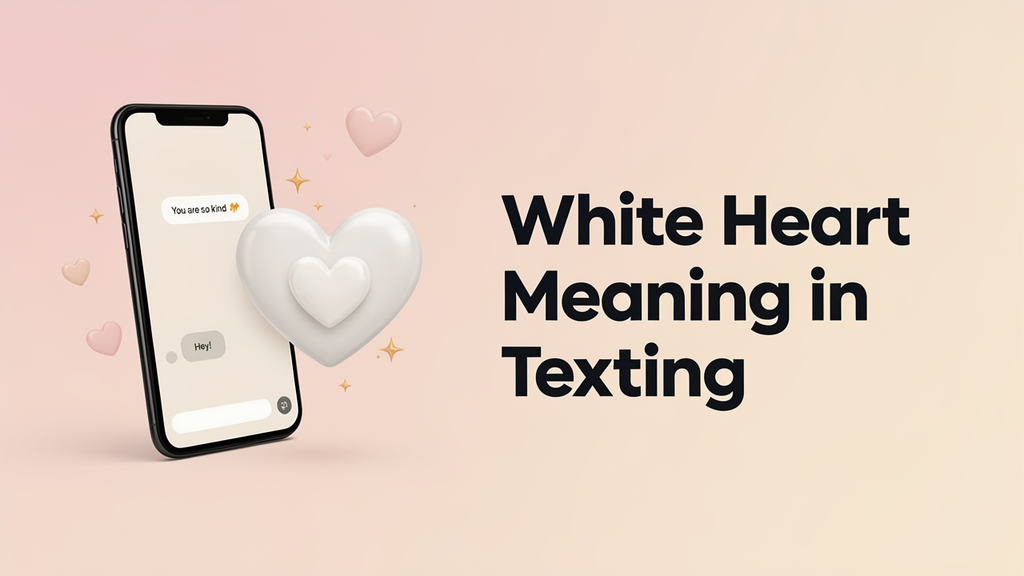
In texting, 🤍 is often used as digital body language. Because messages do not include facial expressions or tone of voice, the emoji can soften words and communicate feelings that might otherwise be unclear.
📱 A text ending with 🤍 often feels more caring than the same sentence without an emoji. It can make a short response sound warmer, friendlier, and emotionally considerate.
🤍 If someone writes “Thank you so much 🤍,” the heart usually emphasizes sincere appreciation. It does not necessarily indicate romance; it can simply make gratitude feel more personal.
💬 In casual conversations, the white heart can soften direct wording. Someone may add it after advice or reassurance to make their message sound supportive rather than cold.
🌷 A message such as “You deserve better 🤍” may communicate emotional support. The sender is likely emphasizing compassion and concern rather than making a romantic statement.
🫂 When used after comforting words, 🤍 can act like a virtual hug. It adds emotional warmth to conversations where physical comfort is impossible.
✨ Texting styles vary between individuals. One person may use 🤍 frequently with everyone, while another may reserve it for people they genuinely feel emotionally close to.
☕ A white heart can make everyday conversation feel cozy and relaxed. Messages about checking in, friendship, encouragement, or simple appreciation often pair naturally with this emoji.
💭 If someone sends 🤍 after a vulnerable confession, it may signal acceptance. The emoji can communicate that the sender has received the message with care and without judgment.
🌿 In a friendly conversation, 🤍 may simply mean “I’m here for you.” It can express loyalty and emotional support without creating romantic expectations.
🕊️ A white heart at the end of an apology may help create a calmer tone. It can suggest peaceful intentions and a genuine desire to repair communication.
💌 When someone responds “Aww, thank you 🤍,” the emoji often adds sweetness. The emotional message is usually appreciation rather than a declaration of love.
🌸 The symbol is popular because it is visually soft. People who prefer gentle communication may choose it when they want their messages to feel kind and aesthetically pleasing.
🌙 In late-night conversations, 🤍 may express quiet closeness. A simple “Goodnight 🤍” can feel affectionate, although its exact meaning depends on the relationship.
🫶 Someone may use 🤍 when encouraging a friend before an important event. It can communicate confidence, care, and emotional support without sounding overly dramatic.
💫 Texting often depends on tiny emotional signals. The white heart can provide one of those signals, helping readers understand that a message was intended warmly.
🌼 In family chats, 🤍 may represent affection and appreciation. Parents, siblings, cousins, and other relatives can use it without any romantic meaning whatsoever.
📲 On messaging apps, the same emoji can carry different meanings for different people. Personal habits matter, so one symbol should never be interpreted without considering the full exchange.
🩷 If someone normally uses red hearts but suddenly sends 🤍, the change may be meaningful. However, it could also be aesthetic or situational, so avoid assuming too much.
🕯️ A supportive text followed by 🤍 can communicate emotional safety. It tells the recipient that the sender is trying to be gentle, understanding, and present.
🤍 In general texting, the white heart is best understood as a flexible emotional symbol. It can strengthen kindness, affection, appreciation, friendship, or calm emotional support.
White Heart Meaning From a Girl
When a girl sends 🤍, the meaning depends on her communication style and relationship with the recipient. It may show friendship, affection, support, appreciation, or romantic interest, but the emoji alone cannot confirm her feelings.
🤍 If a girl sends the white heart after thanking you, she may simply be showing appreciation. The symbol can make gratitude feel warmer without necessarily carrying romantic meaning.
🌸 A girl may use 🤍 with close friends because it feels gentle and supportive. In that situation, the emoji often represents friendship, emotional closeness, and genuine care.
💫 If she sends “I’m proud of you 🤍,” the message is usually encouraging. She may be expressing admiration and emotional support rather than directly communicating romantic attraction.
🫶 A white heart after an emotional conversation can show empathy. She may be trying to reassure you that she understands your feelings and values your emotional connection.
🌷 In an early relationship, 🤍 can communicate soft affection. It may suggest that she feels comfortable with you while keeping the emotional tone subtle.
💌 If she combines 🤍 with romantic words, the meaning becomes stronger. Phrases about missing you, loving you, or wanting to see you can provide important context.
☁️ Sometimes a girl uses 🤍 because she prefers its appearance. Aesthetic preference is common online, so the emoji should not automatically be treated as a romantic signal.
🌿 A white heart in a supportive message may indicate emotional safety. She could be telling you that she cares and wants you to feel understood.
💭 If she rarely uses hearts and sends 🤍 specifically to you, it may deserve attention. Even then, the surrounding conversation matters more than the symbol alone.
🕊️ She might use 🤍 during sensitive situations because it feels peaceful. It can communicate sympathy, kindness, and emotional presence without adding unnecessary intensity.
🌼 A girl may send 🤍 to friends after congratulations or compliments. This usage is generally friendly and reflects appreciation rather than romantic interest.
📱 Social media habits can influence her choice. Someone who regularly uses white hearts in Instagram captions, comments, and messages may not attach a special personal meaning to them.
💗 If 🤍 appears alongside flirtatious language, playful teasing, or plans for a date, the overall conversation may suggest romantic interest. The heart supports that interpretation rather than proving it.
🌙 A “goodnight 🤍” message can feel affectionate. Whether it is romantic depends on whether similar messages are exchanged between friends, family members, or potential partners.
✨ A white heart can also communicate admiration. If she sends it after praising your effort or character, she may simply be emphasizing sincere appreciation.
🫂 During difficult moments, 🤍 can be a comforting symbol. She may be offering emotional support without expecting anything romantic in return.
🌱 In a developing friendship, the emoji may indicate growing closeness. It can show that she feels comfortable communicating with warmth and emotional openness.
🪻 If she sends 🤍 after you apologize, it may communicate acceptance. She could be signaling that she appreciates your honesty and wants to move forward peacefully.
💬 Her usual emoji habits are useful evidence. Compare how she communicates with other friends rather than assuming that one heart automatically has a special meaning.
🤍 Ultimately, a girl’s white heart can mean many things. Look at her words, behavior, communication frequency, and relationship with you before deciding whether it signals romance or friendship.
White Heart Meaning From a Guy

When a guy sends 🤍, it can represent appreciation, friendship, emotional support, affection, or romantic interest. Men may use heart emojis differently, so the surrounding conversation remains more important than the emoji itself.
🤍 A guy may send the white heart simply to say thank you warmly. It can show appreciation without implying that he wants a romantic relationship.
🫶 If he sends 🤍 while comforting you, it may communicate genuine emotional support. The symbol can show that he cares about how you feel and wants to reassure you.
🌿 In a friendship, 🤍 can represent loyalty and closeness. A guy might use it with friends because it feels less intense than a traditional red heart.
💫 If he rarely uses emojis but sends 🤍 to you, it may carry more personal significance. Still, his words and consistent behavior provide stronger evidence than one symbol.
🌙 A “sleep well 🤍” message can sound tender. Depending on your relationship, it may be friendly affection or a subtle expression of romantic interest.
💌 If the white heart appears beside flirtatious messages, it may support a romantic interpretation. Context such as compliments, teasing, or invitations can make the emotional intention clearer.
☁️ Some guys use 🤍 because they prefer a softer aesthetic. In this case, the emoji may have little connection to romantic feelings.
🕊️ A white heart can appear in serious conversations because it feels respectful. He may be trying to communicate compassion without making the situation more emotionally intense.
🌸 If he sends 🤍 after you share good news, it may simply mean he is happy for you. The emoji adds warmth to his congratulations.
💭 When a guy uses 🤍 after an apology, he may be signaling peace. It can suggest that he accepts the explanation or wants to reduce tension.
📱 Social media habits can make interpretation difficult. A guy who frequently uses white hearts publicly may use the symbol casually with many people.
🫂 If he sends 🤍 during a difficult moment, it can function like emotional reassurance. He may want you to know that you are not facing the situation alone.
🌷 In a new relationship, a white heart may communicate gentle affection. It can feel romantic while remaining less intense than repeatedly using a red heart.
✨ If he says “I’m always here for you 🤍,” the main message is support. The heart strengthens the emotional tone but does not independently define the relationship.
🌼 A white heart can also communicate admiration. He may appreciate your personality, kindness, achievements, or presence without necessarily expressing romantic love.
💗 If 🤍 appears together with direct romantic language, the interpretation becomes clearer. The surrounding words should always be considered before assigning a specific emotional meaning.
🌱 A guy might use the emoji when a friendship is becoming emotionally closer. It can signal comfort and affection without requiring a formal conversation about feelings.
🪻 Sometimes the heart simply reflects personal preference. Emoji choices can be based on color, aesthetics, keyboard habits, or current online trends rather than emotional intent.
💬 Pay attention to consistency rather than isolated messages. Repeated caring behavior, meaningful conversations, and genuine effort usually reveal more than a single white heart.
🤍 A guy’s white heart can be friendly, supportive, affectionate, or romantic. The safest interpretation comes from considering the entire relationship rather than treating the emoji as a secret code.
White Heart Emoji Meaning in Love and Relationships
In romantic relationships, 🤍 can express gentle love, emotional safety, tenderness, loyalty, and peaceful affection. It often feels softer than the red heart and can suit relationships built around trust and sincere connection.
🤍 A partner may use the white heart to express calm, steady affection. It can represent love that feels secure and comfortable rather than dramatic or intensely passionate.
💕 Saying “I love you 🤍” can create a gentle emotional tone. The heart may emphasize sincerity, tenderness, and peaceful connection between romantic partners.
🌙 A white heart in a goodnight message can feel intimate. It may communicate that someone is ending the day with affection and warm thoughts about their partner.
🫶 Couples sometimes use 🤍 when offering emotional support. It can say that love includes listening, understanding, and standing beside each other during difficult moments.
🌿 In a stable relationship, 🤍 may represent peaceful love. It can symbolize the comfort of being with someone who makes life feel emotionally safe and balanced.
💌 A romantic message followed by 🤍 can feel tender rather than intense. The emoji works especially well for couples who prefer subtle emotional expression.
✨ Some people use the white heart during early dating. It can communicate attraction and affection while avoiding the stronger emotional weight that some associate with a red heart.
🌸 A partner might send 🤍 after saying something thoughtful. The symbol can reinforce appreciation and show that the relationship includes emotional warmth as well as romance.
🕊️ The white heart can represent peaceful partnership. It may be especially meaningful after resolving an argument because it communicates care while emphasizing harmony.
☁️ In romantic texting, 🤍 can create a soft tone. It may make messages about missing someone, thinking about them, or wishing them well feel more emotionally delicate.
💫 A white heart can symbolize sincere feelings that are difficult to express directly. It gives a romantic message a quiet emotional layer without needing many words.
🌷 Couples may use 🤍 to communicate affection in public comments. It feels romantic enough to show closeness while remaining relatively understated.
🫂 During stressful periods, a white heart can reinforce emotional safety. A partner may use it to remind the other person that their relationship remains supportive.
💗 If someone sends 🤍 alongside “I miss you,” the combination may suggest romantic longing. However, the strength of that feeling still depends on the relationship and surrounding language.
🌱 In a developing relationship, the emoji can reflect growing trust. It may show that affection is becoming more comfortable without forcing the relationship into a specific label.
🕯️ White hearts can also represent unconditional care. A partner may choose the symbol when discussing emotional struggles because it feels gentle and reassuring.
🌼 Romantic love does not always need dramatic symbols. For some couples, 🤍 better reflects their communication style because it suggests tenderness, stability, and quiet closeness.
📱 Digital relationships often rely on emojis to communicate tone. The white heart can help a romantic message feel affectionate when facial expressions and physical gestures are unavailable.
💭 The meaning becomes strongest when the emoji matches behavior. Consistent respect, communication, honesty, and care provide more evidence of love than any heart symbol.
🤍 In romantic relationships, the white heart often represents gentle love. It can communicate tenderness, loyalty, emotional support, and peaceful affection while leaving room for each couple’s personal meaning.
White Heart Meaning in Friendship

Among friends, 🤍 commonly communicates loyalty, kindness, appreciation, emotional support, and genuine care. It can strengthen a friendly message without automatically making the relationship romantic.
🤍 A friend may send the white heart after thanking you for being supportive. It can communicate appreciation and remind you that your friendship has emotional value.
🫶 When a friend says “I’m always here for you 🤍,” the emoji strengthens the supportive message. It can represent loyalty, comfort, and genuine concern.
🌸 Friends often use white hearts because they feel softer than romantic symbols. The emoji can express closeness while keeping the relationship clearly friendly.
🌿 A congratulations message with 🤍 may communicate sincere happiness. Your friend could be celebrating your success and showing that your achievements matter to them.
✨ If someone sends 🤍 after a funny conversation, it may simply express friendly warmth. Not every heart emoji needs a serious emotional interpretation.
🫂 During difficult times, friends may use 🤍 as a digital hug. It can communicate sympathy when a longer response feels unnecessary or difficult to write.
🌼 A white heart can appear in birthday messages between friends. It adds affection and appreciation while remaining natural for a close friendship.
☁️ The emoji may represent emotional safety between trusted friends. It can communicate that someone feels comfortable being honest, vulnerable, and supportive.
💫 Friends sometimes use 🤍 after saying “Proud of you.” The symbol reinforces admiration and encouragement without suggesting romantic feelings.
🕊️ If a friendship has survived an argument, 🤍 may symbolize peace. It can accompany a message showing that the person values the relationship and wants to move forward.
📱 Online friendships often use emojis as emotional signals. A white heart can help create warmth when friends communicate mainly through messages, comments, or direct messages.
💌 A friend might send 🤍 after receiving a thoughtful gift. The symbol can communicate heartfelt gratitude and appreciation more naturally than a formal thank-you.
🌙 “Goodnight, friend 🤍” can express closeness. Depending on the friendship, it may simply be a warm habit rather than a romantic signal.
🌷 A white heart may be especially common between friends who prefer soft communication. Its calm appearance can match a gentle, supportive friendship style.
💭 If someone uses 🤍 with many friends, it probably reflects their normal texting habits. Looking at patterns is more reliable than interpreting a single message.
🪻 A friend can use the emoji when checking on you. A simple “How are you feeling today? 🤍” may communicate genuine concern and emotional presence.
🌱 The white heart can represent a friendship that continues growing. It may suggest mutual respect, trust, and a comfortable emotional connection.
🧡 Friendship does not need romantic symbolism to be meaningful. The white heart gives friends a way to express deep care without changing the nature of their relationship.
🌈 Different people attach different meanings to emojis. Some friends may use 🤍 casually, while others may reserve it for especially meaningful conversations.
🤍 Overall, the white heart works beautifully in friendship. It can communicate loyalty, kindness, encouragement, gratitude, emotional support, and sincere appreciation without requiring romantic interpretation.
White Heart Emoji on WhatsApp, Instagram, and TikTok
On social media platforms, 🤍 can function as both an emotional symbol and an aesthetic element. Its meaning may shift between private messages, public comments, captions, statuses, and online communities.
📱 On WhatsApp, 🤍 often appears in personal conversations. People use it for affection, appreciation, friendship, encouragement, and emotional support depending on who receives the message.
🤍 A WhatsApp status featuring a white heart may communicate peaceful emotions. It can also contribute to a clean visual style without pointing toward one specific relationship.
📸 On Instagram, the white heart frequently appears in captions and comments. It can express support for friends, appreciation for photographs, or admiration for an aesthetic post.
✨ An Instagram comment such as “Beautiful work 🤍” usually communicates appreciation. The emoji makes the compliment feel softer and more sincere without necessarily suggesting romantic interest.
🎵 On TikTok, 🤍 can appear in comments reacting to emotional or inspiring videos. It may express empathy, support, admiration, or agreement with the creator.
🌸 Social media users often choose emojis for visual reasons. The white heart fits minimal, neutral, soft, elegant, and clean aesthetic styles especially well.
💬 In Instagram DMs, 🤍 can carry more personal meaning because private conversation provides additional context. The surrounding words are usually more important than the symbol itself.
🫶 On WhatsApp, a friend may use 🤍 to respond to emotional news. It can communicate support without requiring a long written response.
🌿 TikTok comments may use white hearts collectively. When many people post the same emoji, it can function as a shared reaction rather than an individual romantic message.
🕊️ Instagram posts about peace, remembrance, or emotional healing may include 🤍. In these settings, the symbol can represent calmness, sympathy, or peaceful emotion.
💫 A white heart in a social media bio may be decorative. Without surrounding words, it is difficult to determine whether it represents love, personality, friendship, or simply aesthetics.
🌙 WhatsApp conversations often include hearts at the end of goodnight messages. 🤍 can make the message affectionate while maintaining a gentle and understated tone.
📲 Instagram stories sometimes use white hearts alongside photos. The emoji may emphasize friendship, happiness, gratitude, or a visually coordinated aesthetic.
🌷 TikTok creators may use 🤍 when responding to supportive comments. It can function as a quick way to acknowledge kindness from followers.
💌 Private messages usually provide stronger emotional clues than public comments. A white heart in an intimate conversation may have a more personal meaning than the same symbol under a public post.
☁️ The popularity of 🤍 is partly connected to digital aesthetics. Its neutral appearance works well with minimalist designs, monochrome photographs, and soft visual themes.
🌼 Gen Z users often combine emojis creatively rather than assigning one fixed meaning. The white heart may appear alongside flowers, sparkles, bows, or other aesthetic symbols.
🪻 Platform culture also affects interpretation. An emoji used casually in TikTok comments might carry more personal significance when sent privately through WhatsApp.
💭 When interpreting social media emojis, examine the complete message. Caption wording, relationship context, previous conversations, and repeated emoji habits provide better clues.
🤍 Across WhatsApp, Instagram, and TikTok, the white heart remains flexible. It can express care, affection, support, appreciation, peace, or aesthetic style depending on the digital setting.
White Heart vs. Other Heart Emojis
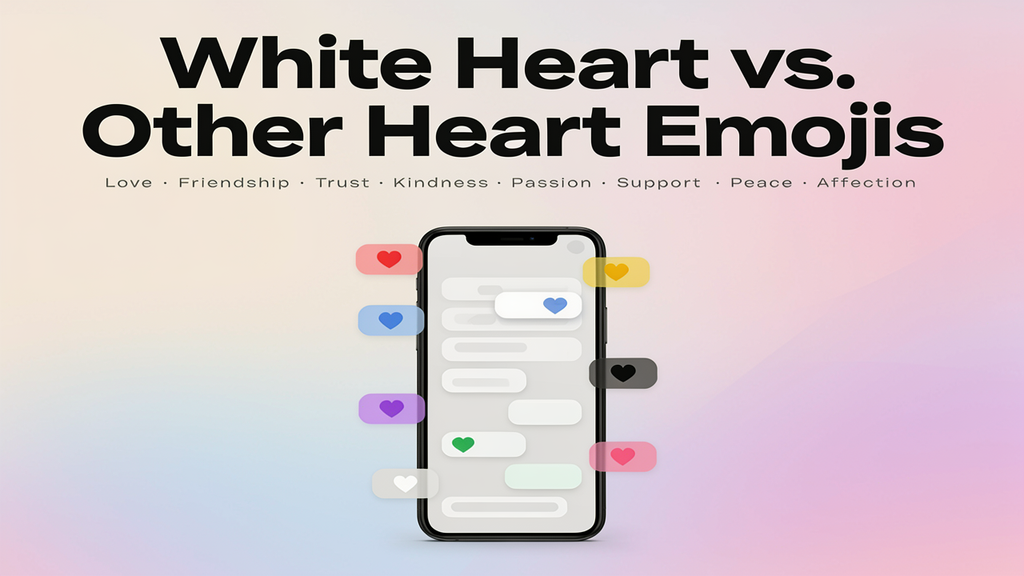
Different heart colors can suggest different emotional tones, although no universal dictionary determines exactly what every heart means. 🤍 is often associated with gentleness, while other colors may feel more passionate, cheerful, loyal, playful, or intense.
❤️ The red heart generally feels more traditionally romantic or passionate than 🤍. A white heart can communicate affection too, but often with a calmer and softer emotional tone.
💛 The yellow heart commonly suggests friendship, happiness, positivity, or warmth. Compared with 🤍, it often feels brighter and more cheerful rather than peaceful and understated.
💙 The blue heart can communicate trust, loyalty, calmness, or support. 🤍 may feel more delicate, pure, or emotionally gentle depending on the conversation.
🖤 The black heart can express dark humor, sadness, sophistication, or alternative aesthetics. 🤍 usually creates a lighter and more peaceful impression.
💗 The growing pink heart often suggests sweet affection or romantic warmth. 🤍 tends to feel quieter, more neutral, and less emotionally intense.
💜 The purple heart can represent affection, creativity, admiration, or special emotional connection. 🤍 generally carries a cleaner and calmer emotional tone.
🩷 The light pink heart often feels cute and affectionate. The white heart can be equally tender but may appear more mature, neutral, or minimalist.
🩵 The light blue heart can communicate calmness and softness. 🤍 shares those qualities but may emphasize purity, care, or emotional simplicity.
🤎 The brown heart can represent warmth, comfort, earthiness, or solidarity. 🤍 usually creates a cleaner visual impression with a softer symbolic feeling.
🧡 Orange hearts often communicate warmth, encouragement, and friendship. 🤍 may be preferred when someone wants affection without the energetic feeling associated with orange.
💚 Green hearts can represent nature, growth, friendship, or certain cultural meanings. 🤍 generally focuses more on peace, kindness, and gentle emotional support.
💖 Sparkling hearts often feel playful, excited, or highly affectionate. The plain white heart is more understated and can suit serious or calm conversations.
💞 Revolving hearts often suggest mutual affection. 🤍 is simpler and can communicate a similar emotional connection without the visual intensity of animated-style heart symbols.
💓 Beating-heart imagery suggests strong emotional excitement. By comparison, 🤍 can communicate stable affection that feels quieter and less dramatic.
💔 The broken heart clearly communicates emotional pain or heartbreak. 🤍 may instead appear during healing, comfort, sympathy, or peaceful emotional support.
❣️ The heart exclamation often emphasizes strong emotional emphasis. 🤍 generally feels less forceful and more gentle in everyday digital communication.
💕 Two hearts can represent affection between people. A white heart may communicate similar closeness while maintaining a softer and more minimalist appearance.
❤️🩹 The bandaged heart commonly represents healing. 🤍 can complement that idea by expressing emotional support, kindness, and peaceful care during difficult periods.
❤️🔥 The heart on fire communicates intense passion or desire. 🤍 is almost the opposite in emotional intensity, favoring calm affection and gentle connection.
🤍 No heart color has one fixed meaning. Comparing symbols is useful, but the sender’s personal habits and the surrounding conversation remain the strongest clues.
When Should You Use the White Heart Emoji?
🤍 works best when you want to express warmth without making your message overly intense. It suits supportive texts, friendship, appreciation, gentle romance, congratulations, sympathy, and calm emotional conversations.
🤍 Use the white heart when thanking someone sincerely. It can make appreciation feel warmer while avoiding the stronger romantic tone that some people associate with red hearts.
🫶 Choose 🤍 when supporting a friend through a difficult situation. Its gentle appearance can communicate care and emotional presence without requiring a long explanation.
🌸 Use it after a heartfelt compliment. The white heart can add warmth to praise while keeping the message respectful and natural.
✨ Add 🤍 to congratulations when you want the message to feel personal. It can communicate genuine happiness for another person’s achievement or milestone.
🌿 The emoji works well when reassuring someone. A phrase like “Everything will be okay 🤍” can feel calm, caring, and emotionally supportive.
💌 Use 🤍 in romantic conversations when your affection feels tender rather than intensely passionate. It can suit thoughtful messages between partners or people beginning a relationship.
🕊️ Choose the white heart for peaceful messages. It can fit conversations about forgiveness, emotional healing, reconciliation, or maintaining harmony.
🌙 A white heart works naturally in goodnight messages. It adds affection while keeping the overall tone soft and understated.
☁️ Use 🤍 when you want a clean aesthetic. The symbol works especially well with minimalist captions, neutral photographs, soft designs, and simple social media posts.
🌼 It is suitable for family conversations too. Parents, siblings, relatives, and children can use the emoji to express affection and appreciation without romantic implications.
💫 Use the white heart when you want to acknowledge vulnerability. It can communicate that someone’s feelings have been heard and treated with kindness.
🫂 The emoji can accompany condolences or supportive messages. In sensitive situations, its peaceful appearance may feel more appropriate than a playful or highly energetic symbol.
📱 Use 🤍 when your words might otherwise sound too formal. A small heart can soften a short digital message and make it feel more human.
🌷 It works well for close friendships. If you want to show that someone matters to you without changing the friendly tone, 🤍 can be a good choice.
💭 Use it when the emotional context is subtle. The white heart allows you to communicate affection without making a dramatic statement about your feelings.
🪻 A white heart can be useful after an apology. It may help communicate sincere intentions and a desire to restore a respectful, peaceful connection.
🌈 Use 🤍 when celebrating emotional growth. It can symbolize encouragement, healing, self-respect, and a calmer stage of life.
🩷 If you are unsure between a red and white heart, consider the intensity of your message. 🤍 is often safer when you want affection without strong romantic implications.
🕯️ Use the emoji thoughtfully in serious conversations. It can communicate care, but avoid relying on emojis alone when the situation requires clear words and direct communication.
🤍 The best time to use a white heart is when its gentle emotional tone matches your message. Let your words provide the meaning, and allow the emoji to reinforce them naturally.
How to Respond to a White Heart Emoji

Responding to 🤍 depends on the relationship and message. You can mirror the warmth, answer with words, use another suitable emoji, or simply continue the conversation naturally without overanalyzing the symbol.
🤍 If someone sends you a white heart after thanking you, a simple “You’re welcome 🤍” is a natural response. It matches their warmth without making the exchange unnecessarily romantic.
🫶 When a friend sends 🤍 during a difficult conversation, respond with appreciation. Saying “Thank you for being here for me” acknowledges the emotional support more meaningfully than another emoji alone.
🌸 If you receive 🤍 after congratulations, you can reply with gratitude. A warm “That means a lot to me 🤍” keeps the conversation sincere and friendly.
💫 If you are romantically interested, you can gently mirror the emotion. Sending 🤍 back can acknowledge affection without immediately making a stronger declaration.
🌿 If you are unsure what the sender means, avoid jumping to conclusions. Continue the conversation normally and look for consistent communication patterns over time.
💌 When a partner sends 🤍, you can respond affectionately. Words such as “I love having you by my side” make the emotional connection clearer than emojis alone.
🕊️ If the emoji appears after an apology, focus on the message behind it. A response such as “I’m glad we understand each other” can reinforce peace and mutual respect.
☁️ If someone uses 🤍 casually, you do not need to assign a deep meaning. A friendly response can keep the interaction relaxed and comfortable.
🌙 After a goodnight message containing 🤍, you can reply with similar warmth. “Goodnight, sleep well 🤍” is affectionate while remaining simple and natural.
🫂 If the white heart accompanies emotional support, acknowledge the care. Saying “I really appreciate you” can make the other person feel valued and understood.
🌷 If you think the emoji may be romantic, look at the full conversation. Flirting, compliments, personal questions, and invitations provide stronger clues than the heart itself.
📱 In social media comments, a simple 🤍 can be enough. Public interactions usually do not require a detailed emotional response unless the original message asks for one.
💭 If someone sends 🤍 after sharing vulnerable feelings, respond thoughtfully. A calm message showing that you listened can create greater emotional safety than immediately changing the subject.
🌼 With a close friend, you can mirror the emoji naturally. Sending 🤍 back may communicate that you value the friendship and appreciate their kindness.
✨ If you do not want to encourage romantic interpretation, use a friendly response instead. Words such as “Thank you, friend!” can establish a warm but clearly platonic tone.
🪻 When receiving 🤍 from someone you like, there is no need to overthink it. Let the relationship develop naturally and pay attention to consistent actions and communication.
💗 If the message is clearly romantic, you can choose a heart that matches your own feelings. Your response should reflect what you genuinely want to communicate.
🕯️ In sensitive conversations, prioritize words over emojis. A heart can support your response, but clear communication prevents misunderstandings about feelings and intentions.
🌈 Remember that emoji interpretation is personal. The sender may use 🤍 differently from you, so asking naturally about their meaning can sometimes be better than guessing.
🤍 The simplest response is often the best one. Match the emotional tone of the conversation, communicate honestly, and remember that genuine words and consistent behavior matter more than any emoji.
FAQs
What does the white heart emoji 🤍 mean?
The 🤍 emoji commonly represents pure affection, kindness, peace, emotional support, sincerity, and gentle care. It can also express friendship or romantic tenderness. Its exact meaning depends on the relationship and surrounding conversation. Unlike a red heart, which often feels more passionate, a white heart usually creates a softer and calmer emotional tone.
What does 🤍 mean in texting?
In texting, 🤍 is often used to soften a message and communicate warmth. It can mean appreciation, support, friendship, affection, or love depending on the context. For example, “Thank you 🤍” may simply show gratitude, while “I miss you 🤍” can carry a stronger romantic meaning.
Is the white heart emoji romantic?
The white heart can be romantic, but it is not automatically romantic. Couples may use it to express gentle love, tenderness, loyalty, or emotional safety. Friends and family members also use it frequently. The surrounding words, relationship, and communication habits are better indicators of romantic intent than the emoji by itself.
What does 🤍 mean from a girl?
A girl may use 🤍 to show friendship, appreciation, support, affection, or romantic interest. If she uses the emoji with everyone, it may simply be her normal communication style. If it appears with flirting, romantic language, or other signs of attraction, it may support a romantic interpretation.
What does 🤍 mean from a guy?
A guy may send 🤍 to communicate kindness, emotional support, appreciation, friendship, or romantic affection. Some people prefer it because it feels softer than a red heart. His communication patterns and behavior are more useful for understanding his intentions than the emoji alone.
What does the white heart mean in friendship?
In friendship, 🤍 often communicates loyalty, appreciation, emotional support, and genuine care. Friends may use it after congratulations, encouragement, comforting messages, or meaningful conversations. It does not automatically mean romantic attraction and is commonly used to strengthen a warm, supportive friendship.
What is the difference between 🤍 and ❤️?
The red heart ❤️ often carries a stronger romantic, passionate, or emotionally intense tone. The white heart 🤍 generally feels softer and more peaceful. However, people use emojis differently, so there is no universal rule. The context and personal communication style should always be considered.
What does 🤍 mean on WhatsApp?
On WhatsApp, 🤍 can mean affection, friendship, support, appreciation, peace, or love. Private conversations provide useful context, so the surrounding message can help clarify the sender’s intention. A white heart in a goodnight message may feel affectionate, while one after “thank you” may simply express appreciation.
What does the white heart mean on Instagram or TikTok?
On Instagram and TikTok, 🤍 can express appreciation, support, admiration, empathy, or aesthetic preference. Public comments often use it casually, while private messages may carry more personal meaning. Its clean appearance also makes it popular in minimalist and soft social media aesthetics.
Why do people use the white heart emoji?
People use 🤍 because it communicates emotion in a gentle, flexible way. It can express kindness, pure affection, emotional support, friendship, peaceful feelings, or romantic tenderness. Some people also choose it because they like its neutral, clean, and minimalist appearance.
Conclusion
Understanding the white heart meaning becomes easier when you look at the complete conversation rather than the emoji alone. 🤍 can communicate friendship, kindness, emotional support, peaceful affection, appreciation, or romantic tenderness. Its softer appearance makes it especially useful when someone wants to express genuine feelings without creating an overly intense tone.
The white heart meaning is ultimately personal and depends on the sender, recipient, relationship, and situation. Whether you see 🤍 in a WhatsApp message, Instagram DM, TikTok comment, or romantic conversation, consider the words and behavior surrounding it. Emojis add emotional color to digital communication, but honest communication remains the clearest way to understand someone’s intentions.
Read More 100+ Essential Japanese Words and Their English Meanings(2026)