

Brasssmile is a name that can create confusion because the word “smile” naturally makes people think about dentistry, oral health, or cosmetic treatments. However, the current Brasssmile.com homepage presents a broader online publishing platform with articles covering business, education, finance, health, insurance, technology, and travel.
Understanding Brasssmile is therefore less about judging the name and more about examining the actual website, its categories, published articles, authors, dates, and overall content quality. Brasssmile can be useful as a starting point for general information, but readers should always verify important medical, financial, legal, or other high-stakes claims through authoritative sources.
What Is Brasssmile and What Does It Mean?
Brasssmile is primarily associated with an online informational publishing website. The current website uses a broad editorial model rather than focusing on a single subject, allowing readers to find articles from several different areas.
🌐 Brasssmile is best understood by looking at its actual website rather than its name alone. The current homepage shows a broad collection of informational categories, making it closer to a general publishing platform than a specialized service. 🔎
📚 A multi-topic website can serve readers with different interests because its content does not depend on one narrow subject. Business, education, finance, health, technology, and travel can all attract different types of readers.
🧭 When researching Brasssmile, always check the exact domain you are visiting. Similar names may belong to unrelated websites, so assuming every “BrassSmile” result represents the same organization can create unnecessary confusion.
💡 The meaning of a website name is not always an accurate description of its business model. Brasssmile may sound connected with dental care, but its current website structure demonstrates a much broader informational purpose.
📰 Brasssmile follows a publishing-style approach in which individual articles are organized under subject categories. This format makes it possible for readers to browse topics instead of visiting a separate specialist website for every question.
🔍 Search intent matters when researching Brasssmile because different people may use the same phrase for different reasons. Someone looking for the website itself needs different information from someone searching for dental or lifestyle content.
🌎 General-interest websites can appeal to international readers because their topics are not restricted to one profession or geographic region. Brasssmile’s category structure supports this broad approach to online information.
🧠 A useful way to understand Brasssmile is to treat it as a content resource rather than automatically assuming it provides professional services. Its articles can introduce topics, but professional decisions may require stronger primary sources.
📖 Readers should consider an informational website as one step in the research process. Comparing its claims with government agencies, recognized organizations, academic sources, or qualified professionals can provide a more complete understanding.
✨ Brasssmile’s broad subject range is one of its defining characteristics. Instead of building authority around only one niche, the website publishes material across multiple categories that can appeal to different search interests.
🗂️ Website categories provide an important clue about editorial purpose. When a homepage contains several unrelated subjects, it generally indicates a publishing model designed to distribute information across a wider audience.
🔗 Internal links can make a broad information website easier to navigate. When related articles are connected logically, readers can move from a basic explanation toward more detailed information without restarting their search.
🕒 Publication dates are another useful factor when evaluating Brasssmile content. Topics such as technology, insurance, finance, and online services can change quickly, so recent information may be more relevant than older material.
👤 Author names can also provide context about individual articles. A byline tells readers who is credited with writing a post, although the presence of a name alone does not automatically prove professional expertise.
📝 Brasssmile content should be evaluated article by article rather than making one broad judgment about every page. Different subjects require different standards of evidence, especially when health or financial decisions are involved.
🧩 The broad nature of Brasssmile means that readers may encounter both evergreen topics and time-sensitive subjects. Understanding this difference helps determine whether an article needs additional verification before being relied upon.
🌟 An informational publishing website can be valuable when it explains complicated ideas in accessible language. Its greatest usefulness may be as an introductory resource that helps readers identify questions worth researching further.
🛡️ Trust should come from evidence, transparency, and useful content rather than branding alone. A professional-looking website can still require fact-checking, while a simple article can be valuable when its claims are well supported.
🔎 Searching “what is Brasssmile” should therefore lead to a website-focused investigation. Looking at the homepage, categories, recent articles, author information, and editorial signals gives a clearer picture than relying on the name.
🌱 Brasssmile is most clearly understood as a broad online content destination in 2026. Readers can use it to discover information across multiple subjects while maintaining good research habits for important decisions.
Brasssmile Com: What You Can Find on the Website

The current Brasssmile.com homepage lists Business, Education, Finance, Health, Insurance, Technology, and Travel as prominent categories. Recent homepage content includes subjects such as knowledge management, trucking insurance, car insurance calculators, and clear aligners.
📰 Brasssmile Com contains articles covering several major information categories. This broad structure means visitors can move between practical subjects without treating the website as a specialist resource in only one field.
💼 Business content can help readers understand commercial concepts, workplace topics, industries, and business-related questions. However, readers should still consult authoritative sources when making professional or contractual decisions.
🎓 Education articles may be useful for people researching learning opportunities, academic concepts, or general educational information. Students should verify important requirements directly with schools, universities, or official education authorities.
💰 Finance is another area where careful verification matters. Financial articles can explain concepts and terminology, but investment decisions should never depend on a single online article or general informational website.
🦷 Health content can help understand basic terminology and common topics. Nevertheless, online information should not replace personalized medical or dental advice from a qualified professional.
🛡️ Insurance information can introduce readers to policies, premiums, coverage concepts, and industry terminology. Because insurance rules and contracts vary, readers should check the actual policy wording and insurer documentation.
💻 Technology content can be particularly time-sensitive because software, digital tools, and trends change quickly. Readers should check dates and compare technical claims against official documentation when accuracy is important.
✈️ Travel information can help with planning, destination research, and general travel decisions. For current entry requirements, visas, safety rules, and transportation information, official government or provider sources remain preferable.
🗃️ Category-based publishing makes information easier to organize. Instead of presenting every article in one unstructured stream, Brasssmile separates major subjects so visitors can focus on areas relevant to their interests.
🔎 Visitors can use category pages as starting points for deeper research. Once an interesting topic is found, related articles and external authoritative sources can provide additional context and evidence.
📅 Recent posts can be more useful for subjects that change frequently. Checking the publication date before relying on information is especially important for finance, technology, insurance, travel, and online services.
🧾 Article titles also provide clues about search intent. A reader searching for a definition may need a different article than someone comparing options or looking for a step-by-step guide.
🌐 A broad content platform can attract users from different search backgrounds. Someone may arrive through a finance query while another visitor discovers the same website through a technology or travel search.
🧠 Good research requires separating introductory information from expert advice. An article can explain a concept clearly without being sufficient evidence for a major financial, medical, legal, or educational decision.
🔗 Related articles can make a website more useful when they genuinely expand the topic. Readers should prefer meaningful internal connections rather than pages linked together simply to increase browsing time.
📖 General information websites can save research time when their articles answer straightforward questions clearly. Their value increases when information is organized, readable, current, and transparent about limitations.
🧭 Visitors should identify the purpose of an article before accepting its recommendations. A general explainer, opinion piece, product comparison, and professional guide should not automatically be treated as equivalent sources.
📊 Finance and insurance topics often contain terminology that beginners may find difficult. Clear explanations can make those subjects easier to understand before readers consult official documentation or qualified advisers.
🩺 Health articles require additional caution because individual circumstances differ. General information can provide background knowledge, but diagnosis and treatment decisions require appropriate professional assessment.
✈️ The diversity of Brasssmile’s categories is one reason the website should be viewed as a general publishing resource. Its usefulness depends on the quality, freshness, and relevance of each article.
Is Brasssmile a Dental Website?
Despite the name, Brasssmile.com is not presented on its current homepage as a dedicated dental clinic or specialist dental service. Dental-related content appears within the broader Health category, alongside many unrelated subjects.
🦷 The word “smile” can easily create an association with dentistry, but a brand name does not prove that a website provides dental services. The actual navigation and content structure should always be examined first.
🔍 Brasssmile.com currently operates across multiple categories, so describing the entire platform as a dental website would be misleading. Dental or oral-health articles represent only part of its broader publishing activity.
🩺 A health article is not the same thing as professional healthcare. Readers should distinguish between general educational information and advice based on an examination, medical history, diagnostic testing, or clinical assessment.
✨ People researching teeth whitening, aligners, gum health, or similar subjects may find introductory information online. For treatment decisions, however, a licensed dental professional can provide advice based on the individual situation.
📚 General dental information can still be useful for learning terminology. Understanding words such as aligners, orthodontics, implants, or gum disease may help readers prepare better questions for their dentist.
🧠 Health literacy is valuable because patients often need to understand information before discussing it with professionals. Educational articles can support that process when they are accurate and appropriately limited.
🛡️ Readers should be particularly careful with claims involving diagnosis, treatment effectiveness, medication, or urgent symptoms. Such information deserves verification through qualified healthcare providers and trusted medical organizations.
📅 Dental technology and treatment recommendations can change over time. Checking publication dates and confirming current guidance can reduce the risk of relying on outdated information.
👩⚕️ A professional dental clinic normally provides identifiable information about its services, location, practitioners, and patient processes. A general publishing website has a different purpose and should not automatically be treated as a provider.
🧾 Articles about dental procedures can explain broad concepts without establishing that the website performs those procedures. Readers should separate educational content from actual clinical services.
🔎 Search engines can mix unrelated results containing similar words. A page discussing dental care may appear alongside a general publishing website, a product, or another domain using a similar name.
🌐 Checking the complete domain is one of the simplest ways to reduce confusion. Brasssmile.com should not automatically be equated with other websites using “BrassSmile” or “Brass Smile” in their names.
🦷 Clear aligners are one example of a dental topic that can appear on a general information site. A reader can learn what aligners are while still needing a qualified orthodontic or dental assessment before choosing treatment.
💬 Online health content is most useful when it encourages informed questions rather than replacing professional care. Readers should use articles as background information and discuss personal concerns with appropriate clinicians.
🔬 Evidence matters especially in health writing. Claims about treatments, outcomes, risks, and effectiveness should ideally be supported by reliable medical evidence rather than persuasive language alone.
🧑⚕️ The qualifications of an author can also matter. A health article written by a qualified specialist and supported by credible references deserves a different level of scrutiny than anonymous promotional content.
⚠️ Readers should never assume that a health-related article creates a doctor-patient relationship. Informational publishing and healthcare delivery are fundamentally different activities.
🌿 Everyday oral-care topics can still be helpful for general awareness. Brushing, flossing, dental visits, and understanding common terminology are useful areas for learning, but individual needs vary.
📖 Brasssmile’s health section should therefore be understood in the context of the whole website. Its presence does not transform the platform into a dedicated dental practice or treatment provider.
🧭 The safest approach is simple: use Brasssmile for general information when appropriate, then confirm important dental claims through qualified professionals and authoritative healthcare sources before taking action.
Brasssmile Website Categories and Content

The category structure is one of the clearest ways to understand the website. Its current homepage prominently displays Business, Education, Finance, Health, Insurance, Technology, and Travel, demonstrating a deliberately broad content model.
💼 Business is designed for readers interested in commercial and professional topics. Articles in this area may help explain industries, strategies, business concepts, and practical questions encountered in modern commerce.
🎓 Education provides a separate space for learning-related material. Readers can use educational articles to build background knowledge, but official institutions remain the best source for current admissions, qualifications, and academic policies.
💰 Finance covers subjects connected with money and financial decision-making. Because financial circumstances vary significantly, general information should be considered educational rather than personalized financial advice.
🩺 Health adds another major dimension to the website. Readers may encounter general wellness or medical topics, but personal health decisions should be discussed with qualified professionals when diagnosis or treatment is involved.
🛡️ Insurance is particularly useful as a research category because insurance terminology can be confusing. Readers can use explanatory content to understand concepts before reviewing actual policy documents and insurer-specific conditions.
💻 Technology reflects an area where information can become outdated quickly. Software versions, digital practices, cybersecurity concerns, and technology trends should always be checked against current sources when accuracy matters.
✈️ Travel content can serve readers planning trips or researching destinations. Travel information is most useful when paired with current government, airline, hotel, and destination sources for time-sensitive details.
🗂️ The category system gives the website a magazine-like quality. Instead of building around one audience, Brasssmile allows visitors with different interests to browse several broad subject areas.
🔎 Category organization also helps search engines understand topical relationships. Well-structured categories can support discoverability when articles are genuinely useful and connected to the subject represented by each section.
📚 A category page can act as a starting point for topic clusters. Readers who find one useful article may continue to related pages, creating a more complete learning journey.
🧩 Broad websites need especially strong organization because their content covers unrelated subjects. Clear menus and logical categories prevent visitors from feeling lost when moving between different topics.
🌐 Multi-topic publishing is common on the modern web because readers often search for information across different areas. A person researching insurance today may search travel or technology questions tomorrow.
📅 The freshness of category content should also be considered. A category with recent articles may provide more current information than an archive containing posts that have not been updated for years.
📝 Article quality can vary across broad publishing platforms because different subjects require different expertise. Readers should evaluate the evidence and author information on each page rather than assuming uniform authority.
🧠 Topical relevance remains important even on a multi-topic website. An article should answer the user’s actual question instead of using a broad category merely to attract unrelated search traffic.
🔗 Internal linking can make category structures more useful. Relevant connections between articles help readers discover supporting information without forcing them to perform another broad search.
📊 Readers can compare multiple articles within one category to identify recurring facts, disagreements, or missing information. This approach is especially helpful when researching complicated subjects.
🛠️ Practical guides may be more valuable when they explain a process clearly. Readers should still verify instructions that involve money, safety, health, legal obligations, or rapidly changing technology.
🌟 The strength of a multi-category platform is breadth, while its challenge is maintaining consistent quality across every topic. Readers should appreciate the convenience without abandoning normal source-checking habits.
🧭 Understanding the categories makes Brasssmile easier to navigate. Instead of searching the entire site randomly, visitors can begin with the section that best matches their question and then evaluate individual articles carefully.
How to Evaluate Brasssmile Information
A useful website should be evaluated through evidence, transparency, relevance, and freshness rather than appearance alone. Brasssmile readers can strengthen their research process by checking authorship, publication dates, claims, references, and independent sources.
🔎 Start by identifying exactly what question the article answers. A page may look relevant because of its title while providing information that does not fully match the searcher’s actual intent.
📅 Check the publication date before relying on important information. Current technology, insurance rules, financial conditions, and travel requirements can change quickly and may make older information less useful.
👤 Look at the author information when available. A byline can provide context, but readers should distinguish between knowing the author’s name and independently verifying relevant professional expertise.
📚 Examine supporting evidence carefully. Strong informational content should make important claims understandable and, where appropriate, connect them to credible sources or primary evidence.
🏛️ For official rules, use official authorities whenever possible. Government departments, universities, regulators, insurers, and recognized professional organizations can provide information that carries greater authority for specific questions.
🩺 Health information deserves additional scrutiny. Readers should not use a general article as the sole basis for diagnosis, medication changes, or treatment decisions.
💰 Financial information should also be cross-checked. Markets, products, regulations, fees, and individual circumstances can change, meaning general articles may quickly become incomplete.
🛡️ Insurance articles should be compared with actual policy documents. Marketing language or general explanations cannot replace the contractual wording that determines coverage and exclusions.
💻 Technology readers should check official documentation for software-specific instructions. An article may explain an older interface or outdated version even when the general concept remains correct.
✈️ Travel readers should verify current requirements before departure. Visa rules, border requirements, transportation schedules, and safety guidance can change after an article is published.
🧠 Consider whether the article separates facts from opinions. Clear distinctions help readers understand which statements are supported information and which represent interpretation or recommendation.
✍️ Read the article critically instead of accepting every statement automatically. Good research involves asking whether the evidence supports the conclusion and whether important limitations have been acknowledged.
🔗 Follow useful external references when provided. Primary documents and recognized sources can add depth and help readers determine whether a major claim is well supported.
🧩 Compare information from more than one credible source for important questions. Agreement among independent authoritative sources can provide stronger confidence than relying on one webpage.
⚠️ Watch for exaggerated promises. Claims that guarantee outcomes, eliminate all risks, or present one solution as universally perfect deserve additional skepticism.
🌐 Verify the domain carefully because similar names can cause confusion. Search results may include unrelated websites, so the domain displayed in the browser should always match the intended source.
🗃️ Consider the website’s overall purpose. A general publishing platform can provide useful explanations without necessarily having specialist authority in every subject it publishes.
📖 Look for clear, readable explanations rather than pages filled with keywords. Useful content should answer questions naturally and provide information that a real reader can apply responsibly.
🛡️ Trust is built gradually through consistent evidence and transparency. A single polished page should not be treated as proof that an entire website is authoritative across every subject.
🌟 The best evaluation approach combines website-level signals with page-level evidence. Brasssmile can be a research starting point, while authoritative sources should remain the final reference for high-stakes decisions.
Is Brasssmile Reliable and Trustworthy?

Reliability should be assessed on an article-by-article basis rather than assumed from the domain name. A broad website may contain useful introductory material while still requiring independent verification for medical, financial, insurance, legal, or other high-stakes topics.
🛡️ Website reliability is not a simple yes-or-no label. A reader should consider the article’s evidence, author information, freshness, purpose, and agreement with authoritative sources.
🔍 A professional design can improve usability but does not independently prove factual accuracy. Readers should focus more on the quality of information than on visual presentation.
📅 Freshness is particularly important for changing subjects. An article can have been accurate when published but become incomplete after laws, technology, markets, or policies change.
👤 Author transparency can contribute to trust. Knowing who wrote an article provides useful context, especially when the subject involves specialist knowledge or professional judgment.
📚 Supporting sources can strengthen an article’s credibility. Readers should favor claims that can be checked against reliable evidence rather than accepting unsupported statements.
🧠 A trustworthy reading habit involves comparing important information. If an article makes a significant claim, look for confirmation from a government agency, recognized institution, academic source, or professional organization.
🩺 Health claims deserve especially careful verification because inaccurate information can have direct consequences. General online content should complement professional care rather than replace it.
💰 Financial claims should also be treated cautiously. Readers should avoid making investment, lending, insurance, or major purchasing decisions based entirely on one general-interest article.
🌐 The domain itself should be checked carefully. Similar website names can create false associations, making it important to confirm that information actually comes from the intended Brasssmile.com domain.
📝 Editorial quality includes more than grammar. Useful content should be accurate, relevant, logically organized, transparent about uncertainty, and written to answer the reader’s actual question.
🧭 Search intent provides another useful test. If a page promises a guide but mostly provides generic statements, it may not satisfy the user’s need even if the article appears polished.
🔗 Internal links should add genuine context. Excessive or irrelevant linking can make content harder to read and may indicate that navigation is being prioritized over the reader’s actual needs.
📊 Claims involving numbers should receive extra attention. Statistics, prices, percentages, and financial figures can become outdated or misleading when their source and date are unclear.
⚖️ Legal and regulatory information should be checked against official documents. General articles may explain concepts but cannot necessarily reflect the rules that apply to every individual situation.
✈️ Travel claims should be verified shortly before a trip. Requirements and schedules can change, so readers should not rely on old information simply because it appears on a familiar website.
💻 Technology instructions should match the software version being used. Interfaces change frequently, and an otherwise helpful article can become confusing when screenshots or steps no longer match the current product.
🌱 Reliability grows when a website consistently provides useful information and avoids misleading claims. Readers can judge this by examining multiple articles instead of making a conclusion from one page.
🔬 Evidence-based writing is especially important for specialist topics. The more consequential a claim is, the stronger the supporting evidence should be before a reader acts on it.
📖 Brasssmile can be useful as an informational starting point when an article clearly addresses a question and provides sensible context. Its content should still be evaluated according to the standards appropriate to the subject.
⭐ A balanced view is better than either extreme. Readers do not need to reject every general-interest article, but they should also avoid treating a multi-topic website as an unquestioned authority.
Brasssmile for Business, Finance, and Insurance Research
Business, finance, and insurance are important sections for readers seeking practical information, but these areas involve decisions where circumstances and regulations can vary. Current Brasssmile content includes examples from finance and insurance, making source verification especially important.
💼 Business research often begins with general explanations. An article can help readers understand terminology or industry concepts before they investigate a company, contract, market, or business decision more deeply.
💰 Finance requires careful attention to dates because markets and economic conditions change continuously. Readers should check whether an article’s figures, examples, or recommendations remain current before concluding.
🛡️ Insurance information can explain concepts such as premiums, coverage, exclusions, and risk. However, the actual insurance policy and provider documentation determine the terms applicable to a customer.
📊 Financial terminology can be difficult for beginners. Clear explanations can make complex subjects easier to understand, especially when readers are learning the difference between related concepts.
🔎 Business articles should be evaluated for evidence just like other informational content. Claims about companies, markets, industries, or trends deserve verification when they influence professional decisions.
📅 A recent publication date does not automatically guarantee accuracy. Readers should still examine the source and supporting evidence because new articles can contain unsupported or oversimplified claims.
🧠 General financial education is different from personalized financial advice. Individual income, risk tolerance, goals, regulations, and circumstances can significantly change what decision makes sense.
🧾 Insurance readers should pay attention to exact terminology. Small differences in policy wording can have major consequences, which is why general explanations should be followed by review of official documents.
💼 Entrepreneurs can use business articles as brainstorming material. Before making a significant investment or operational change, they should investigate market conditions and consult appropriate professional sources.
📈 Investment-related claims deserve particularly strong evidence. Readers should avoid treating predictions or promotional language as guaranteed outcomes because financial markets involve uncertainty.
🏦 Banking topics may involve regulations that vary by country. A general article can provide useful background while official financial institutions and regulators provide the current rules that apply locally.
🛡️ Insurance comparison articles can help readers understand what questions to ask. They should not be treated as substitutes for reviewing exclusions, limits, deductibles, eligibility rules, and contractual terms.
📚 Financial literacy improves when readers learn concepts before products. Understanding how interest, risk, fees, coverage, and obligations work can help people ask better questions when evaluating real options.
🔗 Related business articles can create a useful research trail. Readers can move from definitions to examples, then verify important information using primary documents or recognized professional sources.
⚠️ Be cautious with claims that promise easy money or guaranteed financial results. Responsible financial content should acknowledge uncertainty, costs, risks, and circumstances rather than presenting every opportunity as certain.
🧩 Business topics often overlap with insurance, technology, and finance. This makes a broad publishing platform useful for discovering connections, although each subject still requires its own research standards.
📖 Readers should distinguish informational articles from professional consultations. An article may help someone prepare for a conversation with an accountant, adviser, broker, lawyer, or business specialist.
🌐 Country-specific rules matter greatly. A financial or insurance article written for one market may not apply to another, so readers should confirm the geographic context before using it.
🧠 Good research combines breadth with verification. Brasssmile can introduce a reader to a subject, while official sources and qualified professionals can provide the precise information needed for consequential decisions.
⭐ The most responsible way to use business and finance content is as education rather than certainty. Learn the concepts, check the evidence, confirm current rules, and then make decisions based on reliable information.
Brasssmile for Technology and Education Information

Technology and education are two areas where readers often need clear explanations, but both can change quickly. Software updates, academic policies, learning resources, and digital trends should therefore be checked for current relevance.
💻 Technology articles can simplify complicated digital subjects. Readers benefit most when explanations are practical, current, and connected to the software, device, or technology version being discussed.
🧑💻 Software instructions can become outdated when interfaces change. Before following a technical guide, readers should confirm that the instructions match the current version of the product.
🔐 Cybersecurity information requires particular caution. Readers should favor official security guidance and reputable technical organizations when an article concerns passwords, vulnerabilities, privacy, or account protection.
🎓 Education content can help students understand unfamiliar subjects. It should complement official institutional information rather than replace school, college, university, or examination-board requirements.
📚 Learning resources are most effective when they explain ideas clearly. Readers can use introductory articles to build foundations before moving to textbooks, courses, academic papers, or institutional materials.
🌐 Technology trends can become outdated very quickly. A trend that was emerging months ago may already have changed, so publication dates are important when evaluating digital information.
🧠 Students should check academic claims against reliable sources. University requirements, scholarship rules, deadlines, and qualification standards can vary and may change without notice.
🛠️ Practical technology guides should explain both steps and limitations. A useful article does not simply provide instructions; it also helps readers understand when a method may not apply.
🔎 Search intent is particularly important for technical queries. Someone looking for a definition needs a different response from someone troubleshooting a specific software error.
📝 Good educational content should make difficult ideas easier without sacrificing accuracy. Simplification is helpful, but oversimplification can create misunderstandings when important conditions are removed.
🧩 Technology and education increasingly overlap through online learning, digital tools, artificial intelligence, and remote collaboration. This makes cross-topic information useful when it remains accurate and appropriately sourced.
📅 Readers should check whether a guide references current products or standards. Older technology articles can still provide useful background, but their practical instructions may no longer work.
💡 Technology readers should compare recommendations with official documentation. Product manufacturers and software developers often provide the most current information about features, compatibility, and supported configurations.
🎓 Educational readers should identify whether an article is explanatory or authoritative. A blog can explain a concept while an institution determines the official academic rule.
🔗 Internal links can help readers progress from beginner explanations to more detailed topics. A well-organized content structure can support learning when each linked page genuinely adds information.
🛡️ Privacy-related technology claims deserve careful review. Readers should understand what a tool actually collects or stores rather than relying solely on broad statements about security.
🌱 Learning is stronger when information is compared and questioned. Readers can use Brasssmile as one source while checking important concepts against textbooks, official resources, or recognized experts.
📊 Technical claims involving performance or statistics should be examined carefully. Numbers without context can create misleading impressions, especially when comparing products, services, or technologies.
🧭 The broad category structure makes it possible to discover technology and education topics in one place. Readers should still judge every article according to its specific subject and evidence requirements.
⭐ Brasssmile can support general technology and education research when used thoughtfully. The best approach is to learn from accessible explanations while confirming current, high-stakes, or specialist information through authoritative sources.
Brasssmile Travel and General Information Resources
Travel and general-interest content can be convenient because readers often want quick explanations, planning ideas, and practical information. However, travel rules and conditions change, so current official sources remain essential for important decisions.
✈️ Travel articles can help readers organize their initial research. They may introduce destinations, planning ideas, or practical considerations before travelers check official information.
🗺️ Destination guides are most useful when they match the traveler’s actual needs. Budget, season, transport, accommodation, safety, and personal interests can all influence whether advice is appropriate.
📅 Travel information should always be checked for freshness. Entry rules, airline schedules, transportation services, and local requirements can change after an article is published.
🛂 Visa information deserves special verification. Travelers should consult the relevant government or embassy sources because immigration requirements can differ according to nationality, destination, and travel purpose.
🏨 Accommodation recommendations can help generate ideas. Readers should check current availability, pricing, reviews, cancellation conditions, and the property’s official information before making a booking.
🚆 Transportation information can change because of seasonal schedules, construction, strikes, weather, or policy changes. Travelers should verify important details directly with transport providers.
🛡️ Safety advice should come from current and credible sources. Government travel advisories and local authorities may provide more timely information than a general blog article.
🌎 General travel content can still provide inspiration. A well-written article may help readers identify destinations or activities that they had not previously considered.
📸 Visual descriptions can make destination planning more engaging. However, photographs and attractive writing should not be confused with evidence about current conditions or practical accessibility.
💳 Travel budgeting requires attention to changing prices. Flights, hotels, transportation, exchange rates, and attractions can vary significantly, so historical prices should not be treated as guarantees.
🧭 A good travel guide answers practical questions rather than simply describing a destination. Readers benefit from information about timing, logistics, costs, transportation, and realistic expectations.
🌦️ Weather information is highly time-sensitive. Travelers should check current forecasts separately instead of relying on general seasonal descriptions when making immediate plans.
🗂️ Planning works better when information is organized. Readers can use broad articles for inspiration and then create a separate checklist based on official requirements and confirmed bookings.
🔎 Search intent varies widely in travel. Someone searching for “things to do” has a different need from someone searching for visa rules, airport transportation, or hotel locations.
🧠 Travel content should acknowledge uncertainty. Conditions can change, and responsible writing avoids presenting temporary details as permanent facts.
🌐 Local sources can add important context. Tourism boards, transportation authorities, government websites, and established local organizations may provide information that a general website cannot verify independently.
💡 General information platforms are useful for discovery because they collect different subjects in one place. Readers can begin with an article and then move to more specialized sources as their plans become specific.
🧳 Travelers should keep important confirmations separately from general articles. Tickets, hotel reservations, visa approvals, and official notices should be treated as the authoritative record for a trip.
✨ Travel research becomes stronger when inspiration and verification work together. Articles can provide ideas, while current official information confirms whether those ideas are practical.
🌍 Brasssmile’s travel content can be treated as a starting point for destination research. For anything time-sensitive or essential to a journey, travelers should confirm details directly with authoritative providers.
How to Use Brasssmile Content Responsibly in 2026
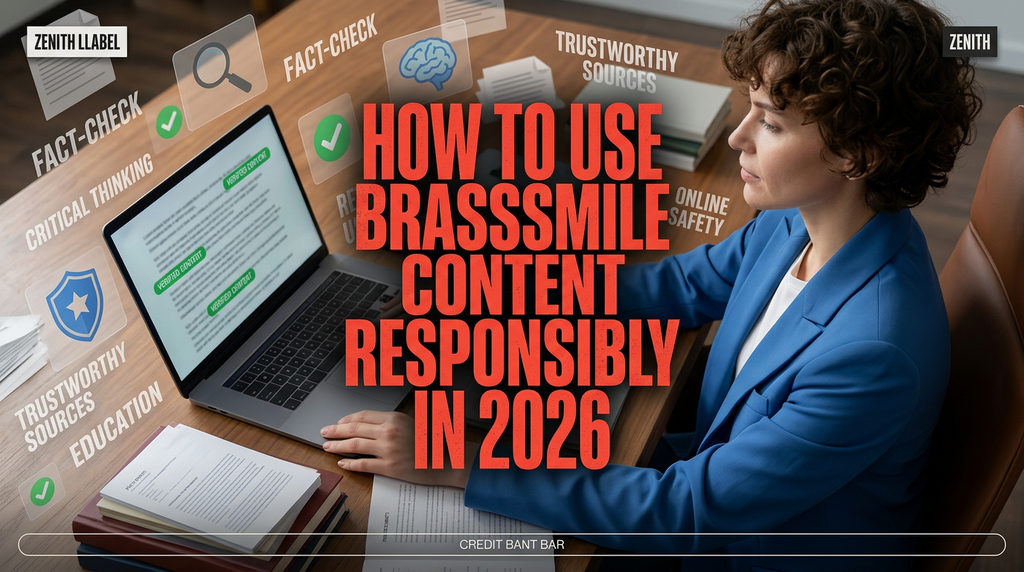
The best way to use a broad informational platform is to match the level of trust to the importance of the decision. Casual research may need only a useful explanation, while health, finance, insurance, education, and travel requirements often demand additional verification.
🧠 Begin with the question you need answered. Clear search intent helps you determine whether a Brasssmile article actually provides the information you are looking for.
🔎 Read beyond the headline. Headlines attract attention, but the body of an article contains the details, limitations, examples, and context needed to understand the subject properly.
📅 Check dates on time-sensitive content. Information from 2026 may still become outdated quickly when it concerns technology, travel, finance, insurance, or changing regulations.
👤 Review authorship when available. Author information can help establish context, although readers should not assume that a byline alone proves specialist credentials.
📚 Look for evidence behind important claims. The more consequential the statement, the more valuable independent verification becomes.
🛡️ Use authoritative sources for high-stakes decisions. Government agencies, regulators, universities, healthcare organizations, and official providers can supply information that is more appropriate for specific decisions.
🩺 Treat health content as educational. General information can improve understanding, but diagnosis and treatment should involve qualified professionals who can assess individual circumstances.
💰 Treat financial information as general education unless it comes from an appropriate professional relationship. Individual financial decisions require consideration of personal circumstances and current information.
🛂 Verify travel requirements directly. A general article can help you understand the process, but official immigration and government sources should confirm the rules.
💻 Confirm technical instructions with official documentation. This is particularly important when dealing with software updates, security settings, account access, or compatibility.
🧩 Compare multiple sources when a topic is important. Independent agreement can help identify reliable information and reveal where uncertainty or disagreement exists.
✍️ Avoid copying recommendations without understanding them. Responsible research means knowing why a suggestion is made and whether the underlying conditions apply to your situation.
🌐 Confirm the domain before trusting a page. Similar names can belong to unrelated websites, so checking the exact web address prevents accidental confusion.
📖 Use articles to build background knowledge. A general information website can help readers learn vocabulary and concepts that make more authoritative sources easier to understand.
🔗 Follow useful links when available. External references can provide primary evidence and help readers investigate claims rather than accepting them at face value.
⚠️ Be skeptical of absolute claims. Statements suggesting that one method always works, one option is perfect, or one result is guaranteed deserve careful verification.
🧭 Separate convenience from authority. A website can be easy to read and useful for discovery without being the final authority for every subject it covers.
🌱 Update your research when circumstances change. Returning to older articles without checking current conditions can create mistakes, particularly in rapidly changing industries.
⭐ Good online research is a process, not a single search. Brasssmile can be one part of that process when readers combine it with appropriate authoritative sources.
🌟 Responsible use means knowing the limits of general information. Read critically, check important claims, confirm current details, and use qualified professionals when the subject requires specialist judgment.
Brasssmile SEO, Content Quality, and Search Intent
From an SEO perspective, a multi-topic publishing platform depends heavily on useful content, logical organization, relevant internal linking, and alignment with search intent. These factors can help readers find appropriate information without relying on repetitive keyword use.
🔎 Search intent explains what a person actually wants from a query. A strong article should answer that underlying need rather than simply repeating the exact keyword throughout the page.
🧠 Long-tail queries can reveal specific questions readers ask. Articles that address those questions naturally can provide more useful answers than pages built around broad keywords alone.
🗂️ Topic clusters can help organize related content. Instead of publishing disconnected pages, a website can create logical groups that guide readers through a subject.
🔗 Internal linking is valuable when links genuinely help users. A related article should provide additional information rather than existing only to manipulate search rankings.
✍️ Content quality involves usefulness, clarity, accuracy, and relevance. A long article is not automatically high quality if it does not answer the reader’s question.
📚 Topical authority develops through meaningful coverage of a subject. Publishing many unrelated pages may create breadth, but each individual topic still needs appropriate depth and expertise.
🧭 Search intent should influence article structure. A definition page, comparison guide, tutorial, review, and informational overview each serve different purposes.
📅 Updating content can improve usefulness when facts change. Updates should provide real improvements rather than simply changing a date without reviewing the underlying information.
🧠 Semantic relevance matters because readers use many related terms when discussing a subject. Natural language allows an article to cover the topic comprehensively without forcing repetitive exact-match phrases.
🌐 A general information website needs clear category architecture. Good navigation helps both readers and search engines understand how different pages relate to one another.
📝 Titles should accurately represent what an article contains. Misleading headlines may attract clicks but can reduce user satisfaction when the page does not deliver the promised information.
📊 Engagement should come from usefulness rather than manipulation. Readers are more likely to continue exploring a site when each page genuinely answers a question or provides meaningful context.
🔍 Keyword research is useful when it identifies real questions. The goal should be understanding what people need, not inserting keywords mechanically into every paragraph.
🧩 LSI and related terms can naturally broaden topical coverage. Terms such as source verification, author information, publication date, and content quality support an article about evaluating informational websites.
🛡️ EEAT principles encourage attention to experience, expertise, authority, and trust. These qualities are particularly important when content involves topics where readers could face meaningful consequences.
📖 Originality matters because copied or lightly rewritten information provides little additional value. Strong content should contribute clear explanations, useful organization, or meaningful analysis.
🧑💻 Technical SEO supports content discovery but cannot replace good writing. Fast pages, clean architecture, and crawlable structures are useful when paired with genuinely valuable information.
🌱 Sustainable SEO focuses on satisfying readers over the long term. Content that answers real questions clearly is more useful than pages designed primarily around keyword density.
🔗 A broad website can still build strong topical relationships when its categories are clearly separated. Readers should be able to understand which section and article best match their needs.
⭐ The strongest SEO strategy for Brasssmile is ultimately reader-first publishing. Clear intent, useful content, appropriate evidence, sensible structure, and trustworthy information create a stronger foundation than keyword repetition alone.
What Readers Should Know About Brasssmile in 2026

Brasssmile is easiest to understand when readers separate the website’s actual publishing model from unrelated interpretations of its name. In 2026, the current Brasssmile.com homepage shows a broad article-based platform with several major informational categories.
🌐 Brasssmile is not best understood simply by its unusual name. The current website structure provides stronger evidence about its purpose than assumptions based on the words “brass” and “smile.”
📰 The platform’s broad publishing model is its most important characteristic. Visitors can encounter articles covering business, education, finance, health, insurance, technology, and travel.
🔎 Readers should always check the exact domain. Similar websites can use related names while serving completely different purposes, so domain verification is an essential first step.
🦷 The name should not automatically lead readers to assume the website is a dental clinic. Dental-related content can exist within a general health category without making the whole platform a healthcare provider.
📚 Brasssmile can be useful for introductory research. Its articles may help readers understand unfamiliar topics and identify questions that deserve further investigation.
🛡️ Important decisions require stronger verification. Health, finance, insurance, legal matters, education requirements, and travel rules should be checked through authoritative sources.
📅 Publication dates deserve attention. An article’s usefulness depends partly on whether its information remains current for the subject being discussed.
👤 Author information can provide additional context. Readers should look at who is credited with an article while remembering that a byline does not automatically establish expertise.
🧠 Content should be judged on evidence and usefulness. Clear writing is valuable, but factual claims should still be evaluated according to the standards appropriate to their subject.
🔗 Internal links can make research more convenient when they connect genuinely related information. Readers should follow links because they add value, not simply because they are present.
💼 Business content can support general understanding while professional decisions may require specialist advice. Entrepreneurs should verify contracts, regulations, financial assumptions, and market information independently.
💰 Finance content should be treated carefully because financial outcomes involve uncertainty. Readers should avoid interpreting general educational material as personalized investment or financial advice.
🩺 Health information can improve knowledge but should not replace clinical assessment. Personal symptoms and treatment choices require appropriate professional attention.
💻 Technology content can become outdated faster than many other subjects. Checking current software documentation is especially important when following technical instructions.
✈️ Travel content can provide inspiration and planning ideas. Current requirements should be confirmed through official travel, immigration, transportation, and destination sources.
🎓 Education content can help readers understand concepts and opportunities. Official institutions should remain the primary reference for admissions, deadlines, qualifications, and academic policies.
🧭 A balanced evaluation is better than blindly trusting or dismissing a website. Readers can find useful information while still applying sensible verification standards.
🌱 Good online research combines convenience with critical thinking. A broad publishing platform can provide a useful starting point without becoming the only source consulted.
⭐ Brasssmile’s greatest value is its breadth. Readers with different interests can encounter information across multiple categories without needing to start from completely separate websites.
🌟 In 2026, the practical lesson is straightforward: understand what the website actually publishes, check the exact domain, evaluate each article carefully, and verify important claims through authoritative sources.
Frequently Asked Questions
What is Brasssmile?
Brasssmile is primarily associated with Brasssmile.com, a multi-category online publishing website. Its current homepage includes Business, Education, Finance, Health, Insurance, Technology, and Travel categories.
What is Brasssmile Com?
Brasssmile Com refers to Brasssmile.com, the domain used by the publishing website. The platform publishes informational articles across several different subjects rather than focusing on one specialized niche.
Is Brasssmile a dental clinic?
No evidence from the current Brasssmile.com homepage establishes it as a dental clinic. Although the site publishes health and dental-related content, its overall structure is a broad multi-category publishing platform.
What categories does Brasssmile.com cover?
The current homepage prominently lists Business, Education, Finance, Health, Insurance, Technology, and Travel. Individual articles may cover specific subtopics within these broader categories.
Can I use Brasssmile for health information?
You can use health articles for general educational information, but important medical or dental decisions should be discussed with an appropriately qualified healthcare professional. Online articles cannot provide personalized diagnosis or treatment.
Is Brasssmile.com trustworthy?
Trust should be assessed at the individual article level. Check publication dates, authorship, evidence, editorial quality, and independent sources, especially when the information concerns health, finance, insurance, or other high-stakes decisions.
Why does the name Brasssmile sound like a dental website?
The word “smile” naturally creates an association with teeth and dentistry. However, a website’s actual categories and published content are more reliable indicators of its purpose than the name itself.
Is Brasssmile useful for SEO research?
Yes, Brasssmile can be examined as a multi-topic publishing example. Its category structure, article topics, search intent, internal linking opportunities, topical relationships, and content organization can all provide useful SEO research insights.
Should Brasssmile articles be used as the only source?
For casual informational questions, an article may provide a useful starting point. For medical, financial, insurance, legal, educational, or travel decisions, readers should verify information with authoritative, up-to-date sources.
What should I check before trusting a Brasssmile article?
Check the exact domain, publication date, author information, supporting evidence, the article’s purpose, and whether reputable independent sources agree with its important claims. The more consequential the decision, the more verification is appropriate.
Conclusion
Brasssmile is best understood by examining the actual website rather than making assumptions from its unusual name. The current Brasssmile.com homepage presents a multi-category publishing platform covering business, education, finance, health, insurance, technology, and travel, making it a broad informational resource rather than a dedicated dental service
For readers, the most useful approach is to treat Brasssmile as a starting point for research while applying sensible source-verification habits. Check dates, authors, evidence, and the exact domain, and use authoritative sources for important decisions. Brasssmile can provide accessible information, but responsible research means understanding the limits of any general-interest website.
Read More: Best Wishes Meaning in a Letter: What It Means, When to Use It & Examples