

Understanding STR援助金申请资格与条件 is important for Malaysian residents who want to learn whether they qualify for government financial assistance in 2026. Sumbangan Tunai Rahmah (STR) is a government assistance programme intended to provide financial support to eligible groups. Applicants should understand the eligibility rules, income requirements, application process, and payment arrangements before submitting their information.
This guide explains STR援助金申请资格与条件 in simple English, covering household applicants, single individuals, senior citizens, application procedures, payment status, and appeals. Since eligibility requirements, payment amounts, and application dates can change, applicants should confirm the latest 2026 information through official Malaysian government channels before making financial plans.
What Is Sumbangan Tunai Rahmah (STR) 2026?
Sumbangan Tunai Rahmah is a Malaysian government financial assistance programme designed to support eligible individuals and households. It provides financial relief to qualifying groups according to the government’s applicable eligibility rules. Applicants should check the official STR portal for the latest programme details, application requirements, and announcements.
🌟 Understanding the purpose of STR. STR provides financial assistance to eligible Malaysians who meet the programme’s requirements. Understanding its purpose helps applicants determine whether they should review the application process. 💰
🏡 Support for household expenses. Financial assistance can help eligible families manage everyday costs, including groceries, utilities, and other essential needs. Careful budgeting helps households use available support responsibly.
💳 A government assistance programme. STR operates under Malaysia’s government assistance framework. Applicants should rely on official announcements to understand the programme’s current rules, payment arrangements, and eligibility requirements.
🤝 Financial relief for eligible citizens. Assistance programmes can provide additional support to qualifying individuals facing regular living expenses. Applicants should check the official criteria rather than assume that everyone automatically qualifies.
📋 Why programme rules matter. Eligibility conditions determine who may receive assistance and how applications are assessed. Reading the requirements carefully can help applicants prepare accurate information before applying.
🔎 Checking official information. Government announcements explain the applicable conditions and administrative procedures. Reviewing these details helps applicants avoid relying on outdated articles, unofficial social media posts, or unverified payment claims.
💡 Understanding financial assistance. STR should be considered one possible source of financial support rather than a guaranteed solution to every household expense. Applicants can plan more carefully by understanding the assistance available to them.
👨👩👧 Recognising different applicant groups. Eligibility arrangements may distinguish between households, single individuals, and senior citizens. Applicants should identify the category that applies to their circumstances before completing an application.
📅 Following annual updates. Government assistance programmes may change their requirements or procedures from one year to another. Checking the latest 2026 guidance helps applicants avoid using information from an earlier application cycle.
🧾 Keeping application information accurate. Correct personal and financial details help the authorities assess an application. Applicants should review their information carefully and correct any errors through the authorised process.
🏦 Understanding payment arrangements. Approved applicants should check how their assistance will be distributed. Knowing the applicable payment method helps recipients prepare for receiving their funds or following the relevant collection instructions.
🔐 Protecting personal information. Application details can include sensitive identification and financial information. Applicants should enter these details only through official channels and avoid sharing passwords or verification codes.
📖 Reading the official guidance. Instructions published by the responsible authorities explain how applicants should register, update information, and check their status. Reading them first can reduce avoidable application mistakes.
🛒 Planning essential purchases. Recipients can consider using available financial support for household priorities. A simple spending plan helps families decide which expenses need attention before allocating money to optional purchases.
🧑💻 Using online services carefully. Digital application services can make administrative tasks more convenient. Applicants should verify the website address and ensure they are using the correct government portal before entering personal details.
📝 Preparing before applying. Gathering identification, income details, and relevant household information can make the application process easier. Applicants should check the official document list because requirements may differ by category.
🌐 Finding reliable programme updates. Official government websites are the appropriate starting point for current eligibility and payment announcements. Cross-checking important details can help applicants distinguish confirmed information from speculation.
👵 Recognising support for older people. Senior citizens may fall under specific assistance categories, depending on the current rules. They should confirm the applicable conditions instead of assuming that age alone guarantees approval.
📌 Keeping important records. Saving application references and official notifications can help applicants follow their cases. These records may also be useful when seeking clarification about an application or payment.
🌱 Making informed financial decisions. Understanding STR allows applicants to plan around confirmed assistance rather than uncertain expectations. Checking official information regularly helps households make practical decisions about their available resources.
STR 2026 Eligibility Criteria and Basic Requirements

Eligibility for STR depends on the categories and conditions established by the Malaysian authorities for the relevant year. Applicants should review citizenship, household circumstances, income requirements, and other applicable criteria. Meeting one condition does not necessarily guarantee approval, because applications may undergo verification and assessment.
🇲🇾 Check citizenship requirements. Applicants should confirm that they meet the Malaysian citizenship conditions specified for their category. Do not assume that residency alone is sufficient without checking the official eligibility rules.
📊 Review household income. Income requirements help determine whether an applicant falls within the programme’s eligible group. Check the applicable income definition and threshold published for the 2026 application cycle.
👨👩👧👦 Identify your household category. Household applicants may need to provide information about their spouse and dependants. Accurate details help the authorities assess the application under the correct category.
🧍 Check the single applicant category. Single individuals should review the current age, income, and other requirements. Eligibility conditions may differ from those used to assess married applicants or households.
👴 Review senior citizen conditions. Older applicants should check the specific category and eligibility rules that apply to them. Age may be relevant, but other conditions can also affect eligibility.
♿ Understand disability-related information. Applicants with disabilities should consult the current official guidance to determine whether any relevant category or documentation applies. They should provide accurate information wherever requested.
🏠 Confirm household details. Household composition can affect how an application is assessed. Applicants should ensure that spouse, dependant, and other requested details match their actual circumstances and supporting records.
💵 Understand income definitions. The income considered for eligibility may follow a specific official definition. Applicants should read the guidance carefully instead of relying on an informal estimate of their monthly earnings.
🗂️ Prepare supporting information. The authorities may require details to verify identity, income, or household circumstances. Preparing the relevant records in advance can make it easier to complete the application accurately.
🔍 Expect eligibility verification. Information submitted through an application may be checked against available records. Applicants should provide truthful details and respond appropriately if the authorities request clarification.
📅 Check the application period. An applicant must follow the relevant submission dates and procedures. Confirm whether applications, updates, or appeals are currently open before attempting to complete a task.
🧾 Avoid unsupported assumptions. Previous approval does not necessarily establish eligibility for every subsequent year. Applicants should review the current conditions and complete any required updates for 2026.
👪 Report changes in circumstances. Changes in marital status, household composition, or income may affect an application. Applicants should follow the official procedure for reporting relevant changes.
🖊️ Use consistent personal details. Names and identification information should match the relevant official records. Small differences can create confusion, so review each field before submitting the application.
📑 Follow category-specific instructions. Different applicant groups may have different documentation or assessment requirements. Read the instructions for the selected category rather than applying another group’s conditions to your case.
🧮 Calculate income carefully. Applicants should use the income period and calculation method specified by the authorities. Accurate figures are more useful than estimates based on incomplete payslips or irregular earnings.
🛡️ Provide truthful declarations. Application declarations should reflect the applicant’s actual circumstances. Incorrect information may lead to further checks, rejection, or other consequences under the applicable rules.
📬 Watch for official notifications. Messages from the responsible authorities may explain missing information or application outcomes. Check official channels and follow any instructions within the stated deadline.
🔄 Recheck updated criteria. Official guidance can change, and older summaries may no longer reflect the current process. Review the latest 2026 requirements before submitting or updating an application.
✅ Confirm eligibility before applying. A careful review helps applicants understand whether they appear to meet the published conditions. The final decision remains subject to the official assessment process.
STR 2026 Income Requirements and Household Categories
Income is an important factor in many government assistance assessments. Applicants should check the official STR 2026 income thresholds and understand which income figures must be declared. Household category, family circumstances, and the programme’s current definitions may also affect the assessment.
💰 Find the official income threshold. Use the current STR guidance to identify the income limit for your category. Avoid relying on figures copied from previous years without confirming that they remain applicable.
🏡 Understand household income. Household income may involve information about more than one person, depending on the official rules. Read the relevant definition before deciding which earnings must be included.
👨👩👧 Consider family circumstances. Household composition can be relevant when the authorities assess an application. Keep the details of your spouse and dependants accurate and consistent with the requested information.
🧾 Use reliable income records. Payslips, employment records, and other relevant documents can help applicants report earnings accurately. Keep records available in case additional verification is required.
📉 Account for changing earnings. Some people experience irregular working hours, commissions, or seasonal income. Follow the official calculation method rather than choosing whichever month produces the lowest figure.
🧮 Check the reporting period. The relevant income period should come from the current application instructions. Using the wrong period may produce a figure that does not accurately represent the information requested.
👩💼 Include relevant employment income. Applicants should declare income according to the programme’s instructions. If the rules are unclear about a particular payment, seek clarification from the responsible authority.
🧑🔧 Consider irregular work. Freelancers and people with variable earnings should review how their income must be reported. Keep records of payments and use the official method for calculating the relevant amount.
🏦 Do not confuse income and savings. Income and money held in a bank account are different financial concepts. Follow the application guidance to determine which information is actually requested.
👨👩👦 Report household changes. Marriage, separation, or changes in dependants may affect the category used for assessment. Update relevant information through the authorised process when required.
📋 Check the correct category. An income threshold may differ between household and individual categories. Confirm which category applies before comparing your earnings with the published limit.
🔎 Clarify uncertain earnings. If you are unsure whether a payment counts as income, consult the official guidance or an authorised service channel. Do not omit it based only on a personal assumption.
📁 Keep records organised. Store income documents and application references in a secure place. Organised records can make it easier to answer questions or correct an application later.
📝 Review every declaration. Before submission, compare the entered figures with your records. A short review can help identify missing digits, incorrect periods, or accidental omissions.
👥 Understand dependant information. Where dependant details are requested, provide accurate information according to the official definition. Do not include or exclude a person without checking the applicable rules.
📆 Update information when required. Applicants should follow official instructions about when changes must be reported. Timely updates help keep the information used for assessment current.
🧑⚖️ Let the official rules guide you. Informal advice may not cover every household situation. Use the published requirements when deciding how to report income or family circumstances.
🔐 Protect financial documents. Income records can contain private information. Share them only through authorised channels when necessary and avoid sending them to unverified individuals.
📌 Save relevant evidence. Keeping copies of submitted information can help you explain a figure if questions arise. Ensure stored documents are secure and accessible when needed.
🌿 Plan around confirmed eligibility. Household budgeting is easier when it uses verified information. Treat potential assistance as uncertain until the authorities confirm the application’s outcome and applicable payment.
STR Assistance for Single Individuals and Senior Citizens

STR eligibility may vary according to an applicant’s category, including single individuals and senior citizens. These groups should check the current rules for age, income, citizenship, and other relevant conditions. The official guidance determines whether an applicant qualifies and what information must be provided.
🧍 Review the single-person category. Single applicants should confirm the current requirements before starting an application. Conditions may include specific age and income rules that differ from household applications.
👵 Check senior citizen eligibility. Older Malaysians should review the official criteria for their circumstances. Do not assume that reaching a particular age automatically guarantees assistance.
🪪 Keep identification ready. Applicants should have the identification details requested by the official application process. Enter them carefully to reduce errors during identity verification.
💵 Confirm income conditions. Single individuals and senior citizens should check the income threshold applicable to their category. A threshold used for households may not apply to individual applicants.
📋 Read category instructions. The application may request information specific to the applicant’s circumstances. Following the correct instructions helps avoid missing fields or providing irrelevant details.
🏦 Check payment information. Approved applicants should confirm the payment method and any bank-account requirements. Those without suitable banking arrangements should follow the official alternative instructions.
👨👩👧 Report relevant family changes. Changes in marital or household status may affect which category applies. Follow the official process to update the information when necessary.
📱 Ask for help when needed. Applicants who find online forms difficult can seek assistance through authorised service channels. They should remain present when personal information is entered and reviewed.
🧾 Keep supporting records. Relevant identity, income, and household documents may help answer questions during assessment. Check the official list rather than assuming every applicant needs identical paperwork.
🔍 Check the application status. After submitting an application, use the official system to review its progress. Follow any instructions shown if more information or action is required.
📬 Read official messages carefully. Notifications may explain decisions, requests, or next steps. Keep a record of important messages and respond within any stated deadline.
🧓 Consider accessibility needs. Older applicants may prefer help from a trusted person when using online services. Protect passwords and verification codes, and use official channels for account access.
🧮 Report income accurately. Applicants should follow the specified calculation method, especially when income is irregular. Accurate information supports a fair assessment under the programme’s rules.
🛡️ Avoid unofficial application agents. Be cautious of anyone promising guaranteed approval for a fee. Use authorised services and never share account credentials with strangers.
📅 Check current deadlines. Application and appeal periods can differ across programme cycles. Confirm the dates for 2026 instead of relying on an old calendar or social media post.
🗂️ Save the reference number. A reference number can help applicants identify their case when checking status or seeking assistance. Store it privately with other application records.
🤝 Seek clarification on complex cases. If your circumstances do not fit a clear category, ask the responsible authority. A confirmed answer is safer than guessing which option to select.
💳 Understand the payment method. The payment arrangements available to a recipient should be confirmed through official announcements. Do not assume that every category receives assistance in exactly the same way.
🔄 Review requirements each year. Rules may change between application cycles. Previous eligibility can provide context, but applicants should still check the current conditions before applying again.
🌼 Make the process manageable. Breaking the application into small steps can reduce stress. Confirm the category, gather documents, complete the form, and save the submission details.
How to Apply for STR 2026 Through the Official Portal
Applicants should use the official STR online service to check application availability and follow the current submission instructions. The process may involve signing in, entering personal details, providing household and income information, and reviewing a declaration before submission. Always follow the instructions displayed by the official service.
🌐 Start with the official website. Find the STR service through a verified Malaysian government website. Check the web address carefully before entering identification details or signing in.
🔐 Access your account securely. Use the authorised login process and protect your credentials. Avoid signing in through links sent by unknown people or posted on suspicious websites.
🪪 Enter identification details. Provide the information requested and check it against your official records. Correct spelling and identification details can help prevent avoidable verification problems.
📝 Complete the application form. Answer each required question carefully and accurately. If a field is unclear, consult the official instructions rather than entering information that may be incorrect.
👨👩👧 Provide household information. Enter spouse and dependant details where required by your category. Review the information to ensure it reflects your current circumstances.
💵 Declare income correctly. Follow the official definition and reporting period. Check the figures against reliable records before continuing to the next section.
🏦 Review bank details. If bank information is requested, enter it carefully and verify the account details. Use an account arrangement permitted by the current programme rules.
📎 Prepare requested documents. Provide supporting information only when the official process requires it. Ensure documents are legible and submitted through the authorised system.
🔍 Review the complete form. Check each section before submitting. Pay particular attention to identification numbers, income figures, contact information, and household details.
☑️ Confirm your declarations. Read the declaration carefully before agreeing. Make sure the information is accurate and that you understand the statement being submitted.
📤 Submit the application. Follow the final instructions displayed by the portal. Wait for confirmation and avoid assuming the application has been received if no confirmation appears.
🧾 Save the confirmation. Keep any reference number, receipt, or confirmation message provided. These details can help you check the status or follow up later.
📱 Use a secure device. When possible, complete the application on a trusted device and network. Log out after finishing, especially when using a shared computer.
🛑 Avoid duplicate submissions without guidance. If the portal behaves unexpectedly, check the status or contact official support before submitting another application. This can help prevent confusion.
📅 Apply within the stated period. Confirm the relevant opening and closing dates. Submitting outside the permitted period may mean that the application cannot be processed in that cycle.
🧑💻 Get authorised technical help. If you encounter login or form problems, use the official support options. Do not give your password or one-time verification code to someone offering informal assistance.
🔄 Update details through the correct process. If you discover an error, follow the portal’s instructions for amendments. Do not assume that editing a saved draft changes an already submitted application.
📬 Monitor your application. Check for official notifications after submission. If the authorities request additional information, follow the instructions and deadline provided.
🗃️ Keep a copy of key details. Save relevant application records securely. Having the submitted information available can help you answer questions accurately if a follow-up is needed.
✅ Confirm successful submission. Look for the portal’s confirmation or status indication. A completed form is not the same as an approved application, so check the outcome separately.
STR 2026 Payment Amounts, Dates, and Phases

STR payment amounts, schedules, and distribution arrangements should be confirmed through official 2026 announcements. Payment information may depend on the recipient’s category and approved entitlement. Applicants should avoid treating unverified dates or amounts as confirmed and should check the latest official schedule before planning expenses.
📅 Check the official payment schedule. Use the current government announcement to confirm payment dates. Avoid relying on screenshots or forwarded messages that do not identify an official source.
💰 Verify your payment amount. The amount payable should be checked against the official information for your category. Do not assume that another recipient’s amount applies to your circumstances.
🧾 Understand payment phases. If payments are distributed in phases, check the published details for each phase. A date announced for one group may not apply to every recipient.
🏦 Review bank transfer details. Where payment is made to a bank account, ensure your recorded details are correct. Follow official instructions if a payment cannot be credited.
🏧 Check cash collection arrangements. If an official alternative involves cash collection, confirm the location, identification requirements, and applicable dates. Do not travel based on unverified instructions.
🔎 Check payment status separately. Application approval and payment completion are different stages. Review the official status information to understand whether a payment has been processed.
📣 Follow official announcements. Payment dates can be communicated through government channels. Check the latest notice before making plans based on an expected deposit.
🗓️ Allow for processing time. A scheduled payment date does not necessarily mean every account will show the funds at the same moment. Follow official guidance if a delay occurs.
💳 Keep bank records. Review your account statement when a payment is expected. If the amount or transaction appears incorrect, retain the relevant details for an official enquiry.
📋 Check the recipient category. Payment arrangements may depend on the approved category. Confirm the details associated with your own application rather than comparing unrelated cases.
🛡️ Ignore payment-fee requests from strangers. Be cautious of messages claiming that you must pay a private fee to release government assistance. Verify any unusual instruction through official channels.
📱 Use the official status service. Enter through the verified portal rather than a link in an unsolicited message. Protect personal information while checking payment progress.
🧮 Budget using confirmed amounts. Build your spending plan around the amount officially confirmed for you. Treat estimates or rumours as uncertain until reliable information becomes available.
📬 Keep payment notifications. Save relevant messages or transaction references. These records may help when asking the bank or responsible authority about a payment issue.
🔄 Check for revised announcements. If the government updates a payment schedule, use the latest official notice. Older articles may continue to circulate after dates have changed.
👪 Explain payment information clearly. When helping relatives, distinguish between general programme announcements and their individual status. This reduces the risk of creating false expectations.
🧾 Record missing payments. If an expected payment does not arrive, note the relevant date and status shown. Contact the appropriate official service for guidance.
🏦 Confirm account accessibility. Ensure you can access the account associated with your application. If account details have changed, follow the authorised procedure to update them.
📌 Keep payment claims factual. Share dates and amounts only when they are supported by a current official announcement. Clear sourcing helps prevent misinformation from spreading.
🌿 Plan for payment uncertainty. Avoid committing to expenses before assistance is confirmed and available. A flexible budget can help manage delays or changes in payment timing.
How to Check STR 2026 Application Status
Applicants can use the official STR service to check whether their application has been received, processed, approved, or requires further action. The exact status labels and available options should be read directly from the portal. Keep your login details and application reference secure while checking progress.
🔎 Open the official status page. Navigate to the verified STR portal and locate the application-status service. Avoid entering personal information on websites that imitate government services.
🔐 Sign in securely. Follow the authorised login procedure. Never share your password, one-time code, or other account credentials with someone claiming they can check your status.
🧾 Locate your application. Use the information requested by the portal to find your record. Keep your reference number available if the system asks for it.
📋 Read the displayed status. Check the exact wording shown in your account. If a label is unfamiliar, consult the official explanation instead of assuming what it means.
⏳ Understand pending applications. A pending status may indicate that processing is not complete. Follow the portal’s instructions and check again according to the official guidance.
✅ Confirm approval details. If the application is approved, review any available information about entitlement and payment. Approval alone may not confirm that funds have already reached your account.
❗ Review rejected applications. If a decision is unfavourable, look for the reason or next steps provided. Check whether the official process allows an appeal or correction.
📎 Respond to information requests. If additional details are required, follow the stated instructions. Provide accurate information through the authorised channel and observe any deadline.
📅 Check at reasonable intervals. Repeatedly refreshing the portal may not speed up processing. Follow official advice about when to check for updates.
📬 Monitor official notifications. Check the communication channels associated with your application. Keep important messages so you can refer to them when taking further action.
🛡️ Avoid unofficial status services. Do not provide identification numbers or account credentials to strangers promising faster results. Use the official portal or authorised support.
🧑💻 Troubleshoot login problems. Follow the portal’s account-recovery instructions if you cannot sign in. Seek help through official support if the problem continues.
🗂️ Keep records of enquiries. If you contact support, note the date and any reference number provided. These details can help you follow up consistently.
🔄 Check updated information. Status details may change as processing continues. Review the latest information rather than relying on an old screenshot or message.
💳 Separate status from payment. An approved application and a completed payment are not identical. Check the payment information separately when you need to confirm whether funds were distributed.
🧾 Compare details carefully. Ensure the application record belongs to you and relates to the correct year. This is especially important when reviewing saved records from previous cycles.
📞 Contact the responsible authority. If the status is unclear or appears incorrect, ask the official service for clarification. Provide only the information needed to identify your application.
🔐 Log out after checking. End your session when using a shared device. This reduces the risk of another person accessing your application information.
📌 Follow the next-step instructions. The portal may explain whether you need to wait, update information, or take another action. Follow the specific instruction shown for your case.
🌱 Stay patient and informed. Processing can involve several administrative steps. Rely on official updates and keep your records organised while waiting for a confirmed outcome.
STR 2026 Appeal Process and Application Corrections
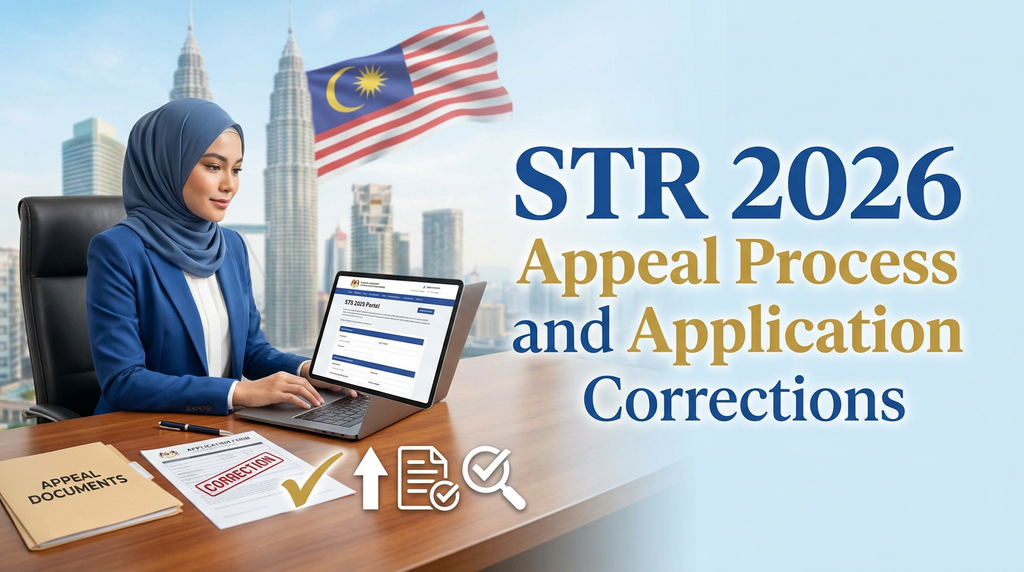
Applicants who disagree with an outcome or discover incorrect information should review the official appeal and correction procedures. The available options, submission period, and supporting documents depend on the rules for the relevant application cycle. Read the decision carefully and follow the authorised process.
📝 Read the decision first. Understand the reason provided for an unsuccessful application before taking action. The explanation can help you identify which information or eligibility condition needs attention.
📅 Check the appeal deadline. Confirm the permitted appeal period through official guidance. Missing a deadline may limit the options available for reviewing the decision.
🔎 Identify the issue. Determine whether the concern involves income, identity, household details, or another eligibility condition. A clear understanding helps you prepare a relevant response.
📎 Gather supporting documents. Collect records that directly relate to the issue being reviewed. Submit only the documents requested through the authorised process.
💻 Use the official appeal channel. Follow the instructions provided by the responsible authority. Avoid paying unofficial agents who promise to influence the outcome.
🧾 Explain the facts clearly. Describe the issue accurately and provide relevant supporting information. A concise explanation makes it easier to understand what you are asking the authority to review.
🪪 Correct identification errors. If personal details are incorrect, follow the authorised correction procedure. Ensure any revised information matches your official records.
💵 Clarify income discrepancies. If the decision involves income information, compare the assessment with your records. Explain any relevant difference using the method specified by the official process.
👪 Review household information. Incorrect spouse or dependant details may affect an assessment. Check the official requirements and provide accurate supporting information where requested.
📬 Keep proof of submission. Save the appeal confirmation or reference number. It can help you check progress and demonstrate that you submitted the request.
🔐 Protect appeal documents. Supporting records may contain private financial or identity information. Send them only through official channels and store copies securely.
⏳ Allow time for review. An appeal may require additional assessment. Follow the published process and check official updates rather than assuming a particular decision date.
📱 Monitor your appeal status. Use the official service to review progress when available. Respond promptly if the authority requests more information.
🧑💼 Seek authorised clarification. If you cannot understand the appeal instructions, contact the responsible service. Ask what procedure applies instead of guessing or submitting unrelated documents.
📋 Avoid unsupported claims. An appeal should focus on accurate facts and relevant evidence. Avoid including information that does not relate to the decision being reviewed.
🔄 Follow correction instructions. Some issues may require an information update rather than a formal appeal. Check which route the official guidance specifies for your situation.
📌 Keep communication records. Save dates, reference numbers, and official responses. A clear record can help you explain the history of your case if follow-up is necessary.
🛑 Beware of guaranteed approval offers. No unofficial person should be trusted simply because they promise a successful appeal. Verify services and avoid sharing sensitive credentials.
📖 Read the final outcome. Once a decision is issued, review the explanation and any next steps. Keep the notice for your personal records.
🌿 Use the process carefully. A well-prepared appeal presents the relevant facts without exaggeration. Following official instructions gives the authority the information needed to review your case.
STR and SARA 2026: Understanding the Difference
Sumbangan Tunai Rahmah (STR) and Sumbangan Asas Rahmah (SARA) are distinct assistance arrangements. Their eligibility conditions, delivery methods, and permitted uses may differ. Applicants should consult current official announcements to understand whether they qualify for either programme and how any approved assistance can be used.
💰 Understand STR as cash assistance. STR is associated with financial assistance distributed to eligible recipients under its applicable rules. Check the official programme details to understand your entitlement and payment arrangements.
🛒 Understand SARA assistance. SARA has its own programme rules and delivery arrangements. Consult the official guidance to learn how eligible recipients can access and use the assistance.
📋 Check eligibility separately. Do not assume that approval under one programme automatically establishes eligibility under another. Review the current requirements for each assistance arrangement.
💳 Understand the delivery method. Assistance may be delivered through different mechanisms depending on the programme. Check the official instructions to understand whether funds or credits are provided and how they can be accessed.
🪪 Know the role of MyKad. Official SARA guidance may explain how MyKad is used in accessing eligible assistance. Follow the current instructions and protect your identification details.
🧺 Review permitted purchases. Where assistance is restricted to eligible goods, check the official list and participating retailers. Do not assume that every product or store is included.
🏪 Check participating supermarkets. Use the current official information to identify participating outlets. Store participation and product eligibility should be confirmed before making a purchase.
📊 Understand balances and entitlements. If a programme provides a balance or credit, check the official service for the amount available and any conditions governing its use.
📅 Check validity periods. Programme credits or benefits may have specific usage rules. Confirm whether balances have expiry dates or other restrictions under the current arrangements.
🔍 Use official eligibility tools. If separate status-checking services are available, use the appropriate one for each programme. This helps avoid confusing STR approval with SARA eligibility.
🧾 Keep transaction records. Save receipts or relevant transaction information when using assistance. Records can help you review purchases or raise a question through the authorised channel.
🔐 Protect your identification. Do not hand over your MyKad or disclose sensitive information to unverified people. Follow the official process when identification is needed for a transaction.
👨👩👧 Check household-related rules. Eligibility may depend on the applicant’s category and circumstances. Read each programme’s requirements instead of assuming the same household rules apply to both.
📣 Follow separate announcements. STR and SARA updates may be published in different notices. Check the date and programme name carefully before relying on a payment or eligibility announcement.
🛍️ Plan purchases within the rules. If assistance is limited to certain essentials, make a list of eligible items before shopping. This helps recipients use the available benefit appropriately.
🧮 Avoid adding benefits without confirmation. Do not calculate a combined amount until you know which programmes apply to you. Confirm each entitlement through the relevant official source.
📱 Check official digital information. Use authorised services to review eligibility, balances, or programme instructions. Avoid third-party pages that request unnecessary personal or banking information.
🧑💻 Ask about unclear transactions. If an eligible purchase or balance appears incorrect, follow the official support process. Keep the receipt and transaction details available.
📌 Explain the difference accurately. When sharing information with family members, distinguish cash assistance from assistance with specific usage conditions. Clear explanations help prevent misunderstandings.
🌱 Use each benefit appropriately. Understanding the purpose and rules of each programme helps recipients plan their household needs. Always confirm the current conditions before relying on assistance.
Common STR 2026 Application Mistakes and Practical Tips
Applicants can reduce avoidable problems by checking their information, following official instructions, and keeping clear records. Common issues include incorrect personal details, inaccurate income declarations, missed deadlines, and reliance on unofficial websites. A careful review before and after submission helps applicants manage the process more confidently.
📝 Avoid incomplete forms. Review every required field before submitting your application. Missing information may delay processing or lead to a request for clarification.
🔢 Check identification numbers. Compare each digit with your official identification record. A small typing error can make it harder to match your application to the correct person.
💵 Do not guess your income. Use the records and calculation method required by the official guidance. Guessing can create discrepancies that may need to be explained later.
👪 Keep household details current. Review spouse and dependant information before submitting. Report relevant changes through the authorised process rather than leaving outdated details uncorrected.
🌐 Avoid fake websites. Verify that you are using the official STR service. Be cautious of pages that imitate government branding or request unusual payments.
🔐 Never share passwords. Keep login credentials and verification codes private. Genuine application support should not require you to disclose your password to an unknown person.
📅 Do not miss deadlines. Check the current application and appeal dates. Add important deadlines to your calendar so you have time to complete the required steps.
🧾 Save your application reference. Keep confirmation details in a secure place. They may be useful when checking status or contacting the responsible authority.
🔍 Check the correct year. Make sure the information relates to the 2026 programme. Older guides may contain different eligibility rules, dates, or application procedures.
📬 Read official notifications. Do not ignore messages about missing information or application decisions. Follow the stated instructions and deadlines carefully.
🏦 Verify bank details. If bank information is required, review the account details before submission. Follow official instructions if your account has changed or a payment fails.
🛑 Question payment rumours. Treat unverified claims about special payments or guaranteed approval cautiously. Confirm dates and amounts through official government announcements.
📎 Submit relevant documents. Provide the records requested for your application or appeal. Unnecessary documents can create confusion and may expose private information.
🧑💻 Use authorised assistance. If you need help with an online form, choose an official support channel. Review the information yourself before it is submitted.
🔄 Correct errors properly. Follow the official procedure for changing submitted details. Do not assume that changing a draft updates an application already sent for assessment.
📋 Keep a simple checklist. Track documents, submission confirmation, status checks, and deadlines. A short checklist can make the process easier to manage.
💬 Ask clear questions. When contacting support, explain the issue and provide the relevant reference number when requested. Clear information can help the service understand your enquiry.
🗂️ Organise records securely. Store relevant documents and notifications together. Protect them from unauthorised access, especially when they contain identity or financial details.
🌿 Plan without relying on rumours. Build your budget around confirmed income and assistance. Leave room for uncertainty when payment dates or application outcomes have not been confirmed.
✅ Review before every submission. Take a final moment to check accuracy, completeness, and the correct application category. Careful preparation can prevent mistakes that are otherwise easy to avoid.
FAQs
What are the STR 援助金申请资格与条件 for 2026?
Eligibility depends on factors such as citizenship, income, household category, age, and other official requirements. Applicants should check the latest 2026 rules before applying.
Who can meet the STR 援助金申请资格与条件 in Malaysia?
Eligible Malaysian citizens may include qualifying households, single individuals, and senior citizens. Each category has specific requirements that must be met.
What income is required under the STR 援助金申请资格与条件?
The applicable income limit depends on the applicant category and current government rules. Always confirm the latest threshold through the official STR information.
Can senior citizens qualify under the STR 援助金申请资格与条件?
Senior citizens may qualify if they satisfy the conditions set for their category. Age alone does not necessarily guarantee approval.
Can single people apply under the STR 援助金申请资格与条件?
Single individuals may apply when they meet the applicable age, income, citizenship, and other requirements. The conditions can differ from household applicants.
How can I check the STR 援助金申请资格与条件 online?
Applicants can use the official STR portal to review eligibility information and application status. Use only verified government websites when entering personal details.
What documents are needed for the STR 援助金申请资格与条件?
Required information may include identification, income, household, and banking details. The exact requirements depend on the applicant category and current application instructions.
What happens if I do not meet the STR 援助金申请资格与条件?
If an application does not meet the published requirements, it may not be approved. Applicants should check the stated reason and see whether an official appeal or correction process is available.
Can I appeal if I fail the STR 援助金申请资格与条件?
Applicants may be able to submit an appeal when the official process allows it. Check the applicable deadline and provide accurate supporting information through the authorised channel.
Where can I verify the STR 援助金申请资格与条件?
The latest requirements should be verified through Malaysia’s official STR government channels. Avoid relying on outdated articles, unofficial websites, or unverified social media posts.
Conclusion
Understanding STR 援助金申请资格与条件 can help applicants prepare their information before submitting an application. Knowing the income, household, age, and citizenship requirements makes the process easier to follow.
Applicants should carefully review their personal and financial details before submission.
They should also keep application references and official notifications for future use.
Most importantly, current government information should always be used when checking eligibility and payments.
The STR 援助金申请资格与条件 may vary according to the applicant’s category and the latest programme rules.
Checking official announcements can help prevent confusion about eligibility, payments, and application deadlines.
Applicants should use the authorised STR portal whenever they need to submit or update information.
If an application is unsuccessful, they should review the available correction or appeal procedure.
Careful preparation and accurate information can make the overall process much smoother.
Read More Sympathy Messages: What NOT to Say on a Sympathy Card 2026