
When someone writes “best wishes” in a message, card, email, or conversation, they are expressing a kind and positive hope for another person’s happiness, success, health, or future. The phrase is friendly, polite, and flexible, which makes it suitable for many personal and professional situations.
Understanding the phrase can help you choose the right words when congratulating someone, saying goodbye, celebrating an occasion, or ending a message warmly. In this guide, you will learn what best wishes means, how to use it naturally, when it is appropriate, and which alternatives can make your message more personal.
What Does Best Wishes Mean in English?
The phrase “best wishes” is a polite expression used to show that you hope good things happen to someone. Its exact meaning depends on the situation, but it commonly communicates happiness, goodwill, encouragement, or positive thoughts. It can work in both casual and formal communication.
- 🌞 “Best wishes” is a simple way to tell someone that you hope good things come their way. It sounds warm without being overly emotional, making it useful for many everyday situations. 😊
- 💖 When you say this phrase to a friend, you are showing kindness and support. It can quietly communicate, “I hope everything goes well for you,” without requiring a long message. 🌷
- ✨ The expression can also carry a sense of encouragement when someone begins something new. Whether they are starting school, work, or a new chapter, the words offer positive energy. 🌟
- 🌸 “Best wishes” often appears at the end of cards and letters because it creates a friendly closing. It leaves the reader with a pleasant feeling and a sincere sense of goodwill. 💌
- 🤝 In professional communication, the phrase can sound respectful and appropriate. It allows you to express warmth while still maintaining a level of professionalism, especially when writing to colleagues or clients.
- 🎓 Graduation is a natural occasion for using these words because graduates are moving toward a new stage. The phrase can express hope for achievement, confidence, and exciting opportunities ahead. 🌟
- 💍 At a wedding, “best wishes” communicates happiness for the couple and hope for their shared future. It is short, respectful, and suitable for both close friends and acquaintances. 🥂
- 🌿 The phrase can also be used when someone is leaving a workplace, school, or community. It expresses goodwill toward their next journey without sounding too personal or dramatic.
- 🕊️ “Best wishes” is not usually a promise or guarantee that everything will be perfect. Instead, it is a kind expression of hope that the person’s future will bring positive experiences. 🌼
- 😊 The expression is especially useful when you want to be friendly but do not know exactly what to say. Its broad meaning allows it to fit many occasions without sounding awkward.
- 🌟 You can use these words when congratulating someone on an achievement. They add a positive closing that recognizes the person’s success while wishing them even more accomplishments in the future. 🎉
- 💐 The phrase can be sincere even when it is brief. A short message does not have to be meaningless; sometimes a few thoughtful words are enough to communicate genuine kindness and respect.
- 📩 In emails, “best wishes” can function as a sign-off. It is generally warmer than “regards” but less intimate than highly personal closings used with close friends or family members.
- 🌈 The expression focuses on positive feelings rather than a specific event. That flexibility is one reason it remains useful in cards, letters, invitations, emails, social posts, and personal messages.
- 🫶 Saying these words can show that you care about someone’s future. Even when you cannot offer practical help, a supportive message can remind them that someone is thinking positively about their journey.
- 🌻 “Best wishes” can also be combined with a specific hope. For example, you might wish someone success in a new job, happiness in marriage, or confidence before an important event.
- 🎈 The phrase is appropriate for many ages because it does not depend on slang or trendy language. Children, teenagers, adults, and older people can all use it naturally in different contexts.
- 💫 Its meaning can become more personal when you add the person’s name or a specific detail. A short personalized sentence often feels more thoughtful than using the expression alone. 😊
- 📝 In English, context matters greatly when interpreting polite expressions. “Best wishes” generally carries positive intent, but the surrounding words and relationship determine how formal, friendly, or emotional it sounds.
- ❤️ Overall, the expression communicates goodwill and positive hope. It is a dependable choice when you want your message to sound kind, respectful, encouraging, and appropriate without becoming overly complicated.
When Should You Use Best Wishes?

You can use the phrase when someone is celebrating an important event, beginning something new, reaching a goal, leaving a position, or facing an important moment. It works particularly well when you want to sound supportive while keeping your message concise and polite.
- 🎓 Use “best wishes” when someone graduates because the occasion represents a major transition. You can pair it with a personal sentence about their future goals to make the message more meaningful. 🌟
- 💍 Wedding cards are another common place for the expression. It allows you to celebrate the couple’s happiness while offering a warm hope for a loving and successful marriage. 💐
- 🎂 You can include the phrase in a birthday message when you want something more thoughtful than simply saying “Happy Birthday.” Add a personal wish for health, happiness, or success. 🎉
- 💼 A new job is a natural opportunity for supportive words. Tell the person that you hope their new role brings growth, confidence, rewarding experiences, and opportunities to succeed.
- 🏡 When someone moves to a new home, a short message can express excitement for their new beginning. Adding a hope for happiness in their new place makes the greeting warmer. 🌿
- ✈️ If a friend moves to another city or country, the phrase can be used as a friendly farewell. It communicates that you hope their new journey is successful and enjoyable. 🌍
- 🌱 Starting university can feel exciting and uncertain. A thoughtful message can encourage the student to embrace new experiences, meet good people, and make lasting memories along the way.
- 🏆 Use the phrase after someone achieves an important goal. It recognizes their accomplishment while also suggesting that you hope this success becomes the beginning of even greater things. 🎉
- 👔 It can work well when a colleague changes careers. A professional message can congratulate them and express confidence that their skills will help them succeed in the next chapter.
- 💌 A farewell card can include the expression when someone leaves a workplace. It is especially useful when you want to remain positive and respectful without writing an overly emotional goodbye.
- 🌸 You can use it when wishing someone well before an important interview. A short supportive sentence may help them feel confident, prepared, and encouraged before the opportunity begins.
- 📚 Students can receive this message before exams or major academic challenges. Instead of focusing only on results, the words can encourage calmness, preparation, determination, and confidence. ✨
- 🥂 Engagements and anniversaries are also suitable occasions. You can use the phrase to celebrate the relationship while expressing hope that the couple continues building happy memories together.
- 🌟 If someone launches a business, your message can recognize their courage and effort. Add a specific wish for loyal customers, steady growth, and satisfaction in their new venture.
- 🕊️ When someone retires, the phrase can express hope for a peaceful and rewarding new lifestyle. Mentioning relaxation, family time, hobbies, or travel can make the message feel more personal.
- 🎁 It can appear in a gift card when you want to add a short personal note. The expression works especially well when the gift marks a milestone, celebration, or new beginning.
- 🌈 Use it when reconnecting with someone after a long period apart. A positive message can acknowledge their journey and show that you genuinely hope things continue going well for them.
- 🤝 Professional networking messages can sometimes use this closing. It is suitable when you want to remain courteous and positive after meeting someone, completing a project, or discussing future opportunities.
- 🌻 You can use the phrase simply because you want to encourage someone. It does not always require a special event; sometimes a kind message at the right moment can brighten someone’s day.
- ❤️ The best time to use these words is when your main intention is goodwill. If you genuinely hope someone experiences happiness, success, or peace, the expression can be a natural and respectful choice.
What Is the Meaning of Best Wishes in a Message?
In a message, “best wishes” generally means that the sender hopes the recipient experiences something positive. Depending on context, it can communicate congratulations, encouragement, farewell, friendship, respect, or hope for future happiness. The phrase is intentionally broad.
- 💬 In a friendly text, the expression can mean, “I hope things go well for you.” It is a simple way to show support without making the conversation unnecessarily formal. 😊
- 📱 When used after congratulations, it can strengthen the positive tone. You are not only recognizing someone’s achievement but also wishing them continued success beyond the present moment.
- 💖 In a personal message, the phrase may suggest genuine care. Adding a sentence about a shared memory or personal quality can make the overall message feel warmer and more sincere.
- ✨ In a farewell message, it often means that you hope the person’s next chapter is successful. The words can communicate respect even when the relationship is not especially close.
- 💼 In work-related communication, the expression can show professionalism with warmth. It avoids the coldness that some formal closings may create while remaining appropriate for business relationships.
- 🎓 A graduation message using these words can express hope for future opportunities. You can make it stronger by mentioning confidence, ambition, education, or the exciting road ahead. 🌟
- 💍 In wedding communication, the expression usually carries happiness and goodwill. It can suggest that you hope the couple enjoys a long, peaceful, and loving life together. 💐
- 🌷 A birthday message can use the phrase to express broad positive hopes. Instead of limiting the message to one day, it can wish the recipient happiness and success throughout the coming year.
- 🕊️ In a retirement message, it may express hope for comfort and fulfillment. The phrase can be followed by a personal wish for enjoyable hobbies, travel, family time, or relaxation.
- 🌍 When someone relocates, the message can acknowledge change while remaining positive. It communicates that you hope their new home brings meaningful relationships and exciting opportunities. ✈️
- 🌱 For someone beginning a difficult project, the phrase can offer encouragement. It does not promise success, but it communicates confidence and positive thoughts during an important period.
- 🤝 In a networking message, the expression can help end communication politely. It can leave the relationship open and positive without suggesting a level of personal closeness that may not exist.
- 🎉 After an engagement or promotion, the words can add a warm closing. They show that you are celebrating the person’s progress and hoping the achievement leads to further happiness.
- 🌈 A supportive message does not need complicated vocabulary. Simple English can often sound more sincere because the reader immediately understands the feeling behind the words.
- 📝 Context changes emotional strength. The same expression can sound formal in an email, friendly in a card, or affectionate when surrounded by personal words from someone you know well.
- 🌻 If you want the message to feel less generic, explain what you are wishing for. Mentioning health, success, happiness, confidence, peace, or exciting opportunities gives the greeting greater meaning.
- 💫 The expression can also be used when you do not know the recipient very well. Its neutral warmth makes it safer than highly personal language in unfamiliar social or professional situations.
- 🎈 In a short social media comment, it can communicate support without requiring a long paragraph. A few carefully chosen words can still acknowledge an important milestone or happy announcement.
- ❤️ The phrase is ultimately about positive intention. It tells the recipient that the sender is choosing encouraging words and hoping the person’s future contains good experiences and meaningful moments.
- 🌟 If you are unsure what a message means, look at the surrounding sentence. The words before and after the expression usually reveal whether the sender intends congratulations, encouragement, farewell, or general kindness.
How Do You Use Best Wishes in a Sentence?

The phrase can appear at the beginning or end of a sentence, although it is especially common as a closing expression. You can use it alone or combine it with a specific hope, event, achievement, or personal message.
- 📝 “Best wishes on your new job” is a natural sentence for someone beginning a new role. It combines the general expression with a clear reason for sending the message. 💼
- 🎓 “Best wishes for your graduation” works well in a card or social message. It acknowledges the achievement while keeping the wording simple, positive, and respectful.
- 💍 “Best wishes to you both” is suitable for a wedding message. It focuses on the couple and communicates happiness for their shared future. 💐
- 🌟 “Best wishes for continued success” is particularly useful in professional settings. It sounds polished and expresses hope that the recipient will achieve even more in the future.
- 🌱 “Best wishes for your new beginning” can be used when someone starts a new chapter. The wording is broad enough for moving, changing jobs, graduating, or pursuing a new goal.
- ✈️ “Best wishes on your journey” can be literal or emotional. It works for travel, relocation, career changes, and other situations where someone is moving toward something unfamiliar.
- 🎉 “Sending you my best wishes” sounds slightly more personal than using the phrase alone. It can work well in a card, text, email, or social media message.
- 💖 “My best wishes are with you” can sound supportive during an important moment. It tells the reader that you are thinking positively about them and their situation. 🌷
- 🥂 “Best wishes for a happy married life” is a traditional wedding greeting. It clearly identifies the hope being expressed, making the meaning easy for the recipient to understand.
- 💼 “Best wishes in your new position” is appropriate for a colleague receiving a promotion or changing roles. It is professional, concise, and focused on future success.
- 📚 “Best wishes for your exams” is a friendly way to encourage a student. You can make it more useful by adding a reminder to stay calm and trust their preparation. ✨
- 🏡 “Best wishes in your new home” works naturally for someone moving. It can be followed by a personal hope that their home becomes a place filled with comfort and happy memories.
- 🏆 “Best wishes on this wonderful achievement” can accompany congratulations. It recognizes the accomplishment while adding a forward-looking message of continued success.
- 🌸 “Best wishes for a bright future” is suitable when someone reaches a major milestone. It is especially effective for graduates, young professionals, or people beginning a new chapter.
- 🤝 “Best wishes, and congratulations on your achievement” combines two purposes. The first expresses goodwill, while the second directly recognizes the person’s success.
- 💌 “With best wishes” is a traditional closing for letters and cards. It sounds polite and warm, making it a useful alternative to more formal sign-offs.
- 🌈 “Best wishes for happiness and success” makes the expression more specific. It clearly tells the recipient what positive outcomes you hope they experience.
- 🕊️ “Best wishes for a peaceful retirement” is a thoughtful sentence for someone leaving the workforce. Adding details about their plans can make the greeting even more personal.
- 🎁 “Best wishes on your special day” is flexible enough for birthdays, weddings, anniversaries, graduations, or other celebrations. The exact occasion can be understood from the surrounding context.
- ❤️ “Sending best wishes for everything ahead” sounds encouraging and future-focused. It works particularly well when someone is entering a period of change and you want to offer positive support.
Is Best Wishes Formal or Informal?
“Best wishes” is neither strictly formal nor strictly informal. It occupies a comfortable middle ground and can be adapted to different relationships. It is polite enough for professional communication but warm enough for friends, family members, cards, and personal messages.
- 💼 In a professional email, the phrase can serve as a friendly closing. It is generally less formal than “sincerely” but still appropriate when communicating with colleagues, clients, or professional contacts.
- 🤝 With a coworker, it can sound natural and respectful. You can use it when congratulating them, wishing them well before a new role, or saying goodbye when they leave.
- 💖 With a close friend, the phrase is perfectly acceptable but may sound somewhat neutral by itself. Adding personal details can make it feel warmer and more emotionally connected. 😊
- 💌 On a wedding card, it is commonly understood as a polite and heartfelt expression. You can make it more personal by mentioning the couple’s relationship or shared future.
- 🎓 For a graduation card, the expression fits both formal and informal relationships. Teachers, classmates, relatives, and friends can all use it with slightly different wording.
- 🌟 In business communication, it can create a pleasant balance. It avoids overly casual language while still showing that the sender is more than mechanically completing a professional exchange.
- 📱 In text messages, it may sound more formal than everyday slang. However, that can be helpful when you want your message to feel thoughtful, respectful, or occasion-focused.
- 🌷 With family members, the phrase can work when the occasion itself is formal. Birthdays, graduations, weddings, and achievements often call for language that feels a little more polished.
- ✨ “Best wishes” can be adapted through punctuation and surrounding language. A short sign-off feels professional, while an affectionate sentence before it can make the same expression much more personal.
- 📝 If you are writing to someone you have never met, the phrase is a safe choice. It communicates goodwill without assuming a close relationship or using overly familiar language.
- 🌍 In international English communication, simple expressions are often helpful. The phrase is widely understandable and avoids complicated idioms that may confuse readers who are learning English.
- 🥂 For formal celebrations, the expression fits naturally. You can use it in invitations, congratulatory notes, certificates, announcements, and messages where respectful positivity is appropriate.
- 🌱 For a casual friend, you might choose a more conversational alternative. Still, “best wishes” is not wrong; it simply creates a slightly more polished tone than casual slang.
- 💬 In workplace farewell messages, it can be especially effective. It allows you to wish someone well without becoming excessively emotional, particularly when the relationship is friendly but professional.
- 🕊️ In sympathy-related situations, however, context matters. The phrase may sound too cheerful in some circumstances, so more sensitive wording should be selected according to the person’s situation.
- 🎈 In social media posts, it can appear friendly and supportive. The surrounding message usually determines whether the overall tone feels formal, casual, celebratory, or deeply personal.
- ❤️ The flexibility of the expression is one of its greatest strengths. You can make it formal with polished wording or personal by adding emotional details and specific hopes.
- 🌻 If you are unsure about tone, choose simple language around the phrase. Avoid slang when writing professionally and add personal warmth when communicating with someone you know well.
- 📚 English expressions often depend on context rather than fixed categories. Calling the phrase only “formal” or only “informal” would miss the flexibility that makes it useful in real communication.
- 🌟 Overall, “best wishes” is best described as polite, warm, and versatile. Its tone can shift naturally depending on the occasion, relationship, vocabulary, and additional sentences surrounding it.
What Are the Best Wishes for Special Occasions?

Special occasions often need words that match the event and relationship. The phrase can be customized for birthdays, weddings, graduations, promotions, new jobs, retirements, anniversaries, and other milestones by adding a specific hope.
- 🎂 For a birthday, write a message that wishes the person happiness throughout the coming year. Mentioning health, laughter, memorable moments, or personal goals can make the greeting feel more thoughtful. 🎉
- 💍 For a wedding, focus on love, partnership, peace, and shared happiness. A warm message can celebrate the couple’s present joy while expressing hope for many wonderful years together. 💐
- 🎓 For graduation, mention confidence and future opportunities. Graduates are entering a new stage, so encouraging them to follow their goals can make the message more meaningful. 🌟
- 💼 For a promotion, recognize the person’s hard work and achievement. A thoughtful greeting can congratulate them while wishing them confidence and continued professional growth.
- 🏢 For a new business, express hope for steady growth and success. You can also recognize the courage required to turn an idea into a real venture. 🚀
- 🏡 For a new home, wish the recipient comfort and happiness. A simple reference to peaceful mornings, welcoming guests, and beautiful memories can personalize the greeting. 🌿
- ✈️ For relocation, acknowledge the excitement of starting somewhere new. Wishing someone good people, rewarding opportunities, and a smooth adjustment can make the message feel encouraging.
- 🕊️ For retirement, focus on freedom and enjoyment. Mentioning hobbies, family, travel, relaxation, or long-awaited plans can create a warmer message than using a generic phrase alone.
- 🥂 For an anniversary, celebrate the relationship and shared memories. A wish for continued love and companionship can make the greeting appropriate for both close friends and family.
- 🌱 For a new school or university experience, encourage confidence and curiosity. The recipient may appreciate words that remind them to enjoy the journey as well as pursue success.
- 🏆 For an award, recognize the achievement directly. Adding a hope for future accomplishments shows that you see the award as an important milestone rather than an ending.
- 💖 For an engagement, celebrate the couple’s excitement. A message about love, trust, laughter, and a beautiful future can make the greeting feel sincere and personal.
- 🎁 For a new opportunity, express confidence in the recipient. A short message can remind them that their skills and determination may help them make the most of the situation.
- 🌸 For a personal milestone, avoid overly generic wording. Mention what the achievement means to the person and connect your wishes to the journey that brought them there.
- 📚 For an academic achievement, celebrate effort as well as results. Recognizing dedication makes the message more meaningful because it acknowledges the work behind the accomplishment.
- 🌈 For a fresh start after a major change, emphasize hope. Words about confidence, peace, new possibilities, and personal growth can provide encouragement without making unrealistic promises.
- 🤝 For a colleague’s departure, keep the message respectful and positive. Mentioning enjoyable teamwork or professional contributions can make the farewell feel genuine rather than routine.
- 🌻 For a friend facing a new chapter, combine general wishes with something personal. A reference to their strengths can make the message feel supportive and authentic.
- ✨ For an important celebration, match your vocabulary to the relationship. Close relationships can handle warmer wording, while professional connections usually benefit from simple and respectful language.
- ❤️ The strongest occasion messages are specific without becoming complicated. State what you are celebrating, explain what you hope for the person, and finish with a warm expression of goodwill.
What Are Common Examples of Best Wishes?
Examples make it easier to understand how the phrase works in real communication. The most effective examples are short, natural, and connected to the occasion, relationship, and desired tone.
- 🌞 “Best wishes for your new job!” is concise and friendly. It works well in a text, card, or workplace message when someone is starting an exciting professional chapter. 💼
- 🎓 “Best wishes on your graduation” directly recognizes an important academic milestone. You can add a sentence about the graduate’s future plans to make the message more personal.
- 💍 “Best wishes to you both on your wedding day” is warm and respectful. It celebrates the couple while keeping the wording suitable for acquaintances, friends, relatives, or colleagues. 💐
- 🌟 “Best wishes for continued success” works particularly well in professional settings. It recognizes present achievement while expressing confidence that more positive opportunities will follow.
- 🎂 “Sending you my best wishes for a wonderful birthday” combines warmth with a specific occasion. It sounds natural in a card or personal message and can be followed by a more personal sentence. 🎉
- 🏡 “Best wishes in your beautiful new home” is suitable for someone who has recently moved. The wording feels welcoming and expresses hope for happiness in the new space.
- ✈️ “Best wishes for your new adventure” is flexible and upbeat. It can describe relocation, travel, a career change, education, or another major transition. 🌍
- 🕊️ “Best wishes for a happy retirement” clearly communicates the desired outcome. You can personalize it by mentioning hobbies, travel plans, family time, or relaxation.
- 🏆 “Congratulations, and best wishes for your next achievement” combines recognition with encouragement. It is especially suitable when someone has accomplished something significant and is preparing for another goal.
- 🌱 “Best wishes as you begin this exciting new chapter” focuses on transition rather than one specific event. It works well for graduations, new jobs, relocations, engagements, and personal changes.
- 💖 “Best wishes for a lifetime of happiness together” is appropriate for couples. It communicates a long-term hope and gives a wedding or anniversary message a heartfelt tone.
- 📚 “Best wishes for your exams; trust your preparation and stay confident” adds useful encouragement. Instead of offering only a greeting, it reminds the recipient to remain calm and believe in their work. ✨
- 💼 “Best wishes in your new position. I am sure you will do wonderfully” sounds supportive in a workplace context. It combines goodwill with a clear expression of confidence.
- 🌸 “Best wishes for happiness, peace, and success in everything ahead” is broad but meaningful. It can work when someone is entering a new period and the exact future circumstances are unknown.
- 🤝 “With best wishes for your future success” is a polished professional closing. It is useful in formal notes, recommendations, farewell letters, and other workplace communications.
- 🎈 “Best wishes on your special day” is intentionally flexible. The surrounding context can make it suitable for birthdays, weddings, anniversaries, graduations, or other celebrations.
- 🌻 “Sending warm wishes and hoping the future brings you wonderful opportunities” feels more personal than the basic phrase. It works especially well for someone beginning a new career or educational path.
- 🌈 “Best wishes for a fresh start filled with confidence and happiness” offers emotional encouragement. It can be appropriate after relocation, a career change, graduation, or another major transition.
- 💌 “With my very best wishes for everything you hope to achieve” emphasizes the recipient’s goals. It is a thoughtful option when you know what the person is working toward.
- ❤️ “Best wishes always, and congratulations on this wonderful milestone” combines celebration with continued support. It works particularly well for personal achievements, family occasions, and meaningful life events.
What Are the Best Alternatives to Best Wishes?
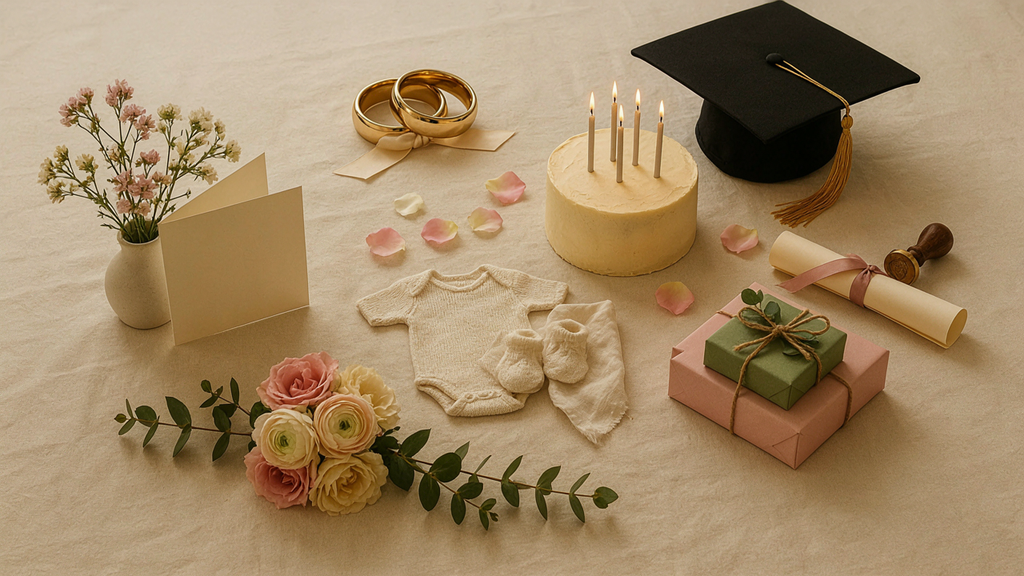
Several expressions can replace the phrase, but each alternative creates a slightly different tone. “All the best” is casual and versatile, while “warm wishes” feels affectionate. “Good luck” focuses on success, and “kind regards” is more professional.
- 🌟 “All the best” is one of the closest alternatives. It sounds friendly and natural in emails, texts, cards, and everyday conversations, especially when you want a relaxed tone.
- 🍀 “Good luck” is useful when someone faces a challenge or opportunity. It focuses more directly on success than a general expression of goodwill. 🎯
- 💐 “Warm wishes” sounds gentle and affectionate. It works especially well in cards, celebrations, and personal messages where you want a softer emotional tone.
- 🤝 “Kind regards” is more professional and restrained. It is commonly useful as an email closing when you want to remain polite without sounding overly personal.
- ✨ “All my best” feels personal and friendly. It works well when ending a message to someone you know and want to acknowledge with warmth.
- 🌈 “Wishing you well” is a straightforward alternative that emphasizes goodwill. It can be used during transitions, farewells, difficult moments, or new beginnings.
- 🎉 “Congratulations” is better when the main purpose is celebrating an achievement. You can combine it with another expression if you also want to communicate future encouragement.
- 🌱 “Wishing you success” focuses specifically on achievement. It is particularly suitable for career changes, business ventures, academic goals, interviews, and important professional opportunities.
- 💖 “Wishing you happiness” centers on emotional well-being. It can be a lovely choice for weddings, new beginnings, relationships, birthdays, and personal milestones.
- 🕊️ “Take care” is more conversational and personal. It works well in friendly farewells but may sound too casual for formal business correspondence.
- 🌻 “Best of luck” is a friendly alternative to “good luck.” It is particularly natural before exams, competitions, interviews, performances, or other situations involving uncertainty.
- 💼 “Sincerely” is a formal closing rather than a direct emotional equivalent. It is useful when professionalism matters more than expressing warmth or encouragement.
- 📩 “Regards” is concise and professional. It can close routine workplace emails, although it generally communicates less warmth than a goodwill-focused expression.
- 🥂 “Cheers” can be friendly and informal depending on the variety of English and context. It should generally be reserved for casual communication rather than formal business messages.
- 🌸 “Wishing you every happiness” is a warm alternative often associated with major personal celebrations. It can sound especially appropriate for weddings, engagements, and new family chapters.
- 🏆 “May you continue to succeed” is more specific and formal. It works when you want to recognize previous accomplishments while expressing hope for future achievements.
- 🌍 “Wishing you a wonderful journey ahead” focuses on the future. It is a strong choice for travel, relocation, graduation, career changes, and other major transitions.
- 💫 “Sending positive thoughts your way” sounds modern and supportive. It can be appropriate when someone is facing an important event and you want to offer encouragement without sounding overly formal.
- ❤️ “With warm regards” combines professionalism and friendliness. It can work as an email or letter closing when you want something softer than a strictly formal sign-off.
- 🌞 The best alternative depends on your relationship and purpose. Choose words that match the emotional level of the occasion instead of automatically replacing one phrase with another.
What Mistakes Should You Avoid When Using Best Wishes?

Although the phrase is simple, context still matters. The most common mistakes involve using an inappropriate tone, choosing the wrong occasion, repeating generic wording, or treating every relationship as equally formal. Small adjustments can make messages sound much more natural.
- ⚠️ Avoid using a cheerful expression without considering the situation. A message should respect the recipient’s circumstances rather than applying the same greeting to every possible event. 🕊️
- 📝 Do not rely on the phrase alone when a personal message would be more appropriate. Adding one specific sentence can show that you genuinely thought about the recipient.
- 💼 Avoid overly casual language in professional communication. If the relationship is formal, keep the surrounding wording respectful even when using a warm closing.
- 💖 Do not make every personal message sound like a business email. Friends and family may appreciate a more natural sentence that reflects your relationship. 😊
- 🎓 Avoid vague congratulations when someone has achieved something important. Mention the actual achievement before adding your positive wishes to show that you recognize their effort.
- 💍 Do not use wording that accidentally sounds impersonal on an intimate occasion. Wedding messages, anniversaries, and close family celebrations often benefit from specific and heartfelt details. 💐
- 📱 Avoid copying the exact same message for everyone. Even a small change, such as mentioning the person’s goal or relationship with you, can make a greeting feel genuine.
- 🌟 Do not assume the phrase guarantees success. It expresses hope rather than certainty, so avoid wording that makes unrealistic promises about someone’s future.
- 🤝 Be careful with professional relationships where emotional language may be inappropriate. Keep your message positive but match the level of familiarity you actually have with the recipient.
- 🌱 Avoid unnecessary complicated vocabulary. Simple English is often clearer, warmer, and easier to understand, particularly when writing to people from different language backgrounds.
- ✨ Do not overload a short greeting with emojis. One or two relevant symbols can add personality, but excessive decoration may distract from the actual message.
- 🎉 Avoid using an overly serious tone for a light celebration. Birthday and congratulatory messages usually work better when the language reflects the happiness of the occasion.
- 🕊️ Avoid cheerful wording in sensitive circumstances without checking the context. A thoughtful writer should choose language that respects emotions rather than following a fixed template.
- 📚 Do not confuse “best wishes” with “good luck” in every situation. They overlap, but good luck is more directly associated with a challenge or uncertain outcome.
- 💌 Avoid ending every professional email with the same sign-off if your workplace expects a different style. Consider the relationship, industry, and established communication culture.
- 🌈 Do not make assumptions about someone’s plans. If you do not know what they are hoping for, use broad positive wording instead of mentioning a specific outcome.
- 🌻 Avoid excessive repetition within the same message. If you have already expressed your wishes, use the remaining sentences to add useful or personal information.
- 💫 Do not make the phrase sound sarcastic through inappropriate context. Tone can change meaning, so make sure the surrounding words clearly communicate genuine goodwill.
- ❤️ Remember that personalization matters more than length. A short message that mentions something meaningful to the recipient can feel much more sincere than a long collection of generic phrases.
- 🌞 The safest approach is to think about the recipient first. Choose a tone, level of detail, and alternative expression that fits the occasion, relationship, and emotion behind your message.
How Can You Make Best Wishes More Personal?
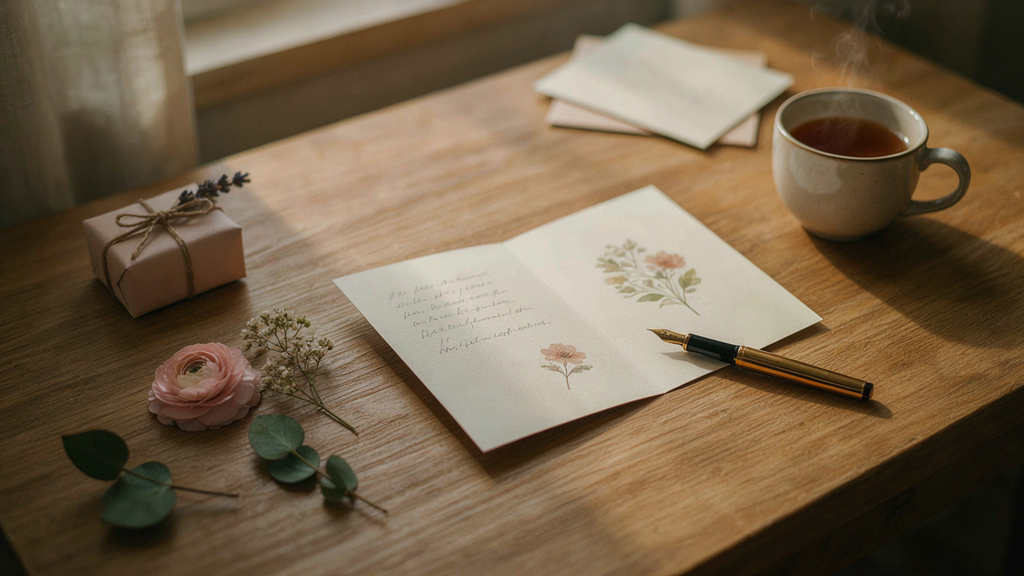
A personalized message goes beyond the basic expression by explaining what you genuinely hope for the recipient. Mentioning their achievement, personality, plans, relationship, or future goal can transform a simple greeting into something memorable.
- 💖 Mention the person’s name when appropriate. Using someone’s name immediately makes a short message feel more direct and personal, especially when the greeting is written in a card or email. 😊
- 🌟 Refer to their specific achievement rather than saying only that you are happy for them. This shows that you understand why the occasion matters and appreciate their effort.
- 🎓 For graduates, mention their next goal if you know it. A sentence about their career, education, or ambitions can make the message feel connected to their actual future.
- 💍 For couples, mention the happiness they share. A personal observation about their relationship can make a wedding or anniversary message feel sincere rather than copied from a generic collection.
- 💼 For coworkers, acknowledge their contribution. Mentioning their dedication, creativity, leadership, or teamwork can make a professional farewell or promotion message much more meaningful.
- 🌱 When someone starts something new, mention their strengths. Telling them that their determination or talent will help them move forward can provide genuine encouragement without promising a specific result.
- 🏡 For a new home, mention the memories you hope they create. This makes a simple greeting more visual and personal while keeping the wording natural. 🌿
- ✈️ For someone relocating, mention the adventure ahead. You can wish them good experiences, meaningful friendships, exciting opportunities, and a smooth adjustment to their new surroundings.
- 🎂 For birthdays, avoid generic wording if you know the person’s interests. Mention a hobby, dream, family goal, or quality that makes the recipient special. 🎉
- 🕊️ For retirement, focus on what the person has earned through years of work. Acknowledging their contribution before wishing them relaxation can make the message feel respectful and appreciative.
- 🌈 Add a specific hope such as confidence, peace, happiness, success, or good health. Choosing one meaningful quality is often more effective than listing many unrelated wishes.
- 🤝 Mention a shared memory when writing to a friend. A short reference to something you experienced together can make the message feel authentic and impossible to mistake for a copied greeting.
- 💌 Explain why you are proud or happy for the person. One honest sentence about their journey can give emotional depth to an otherwise simple expression.
- ✨ Use natural language rather than forcing impressive vocabulary. Personal messages sound best when the words reflect how you would actually speak to the recipient.
- 🌻 Consider the recipient’s personality. Someone who prefers simple communication may appreciate a short, sincere message more than a dramatic paragraph filled with emotional language.
- 🎈 Match the length to the occasion. A quick text may need only two sentences, while a wedding card, farewell letter, or graduation note can comfortably include more personal detail.
- 📝 Mention the future carefully. Instead of promising that everything will work perfectly, express genuine hope for opportunities, happiness, growth, confidence, or meaningful experiences.
- 💫 Add a closing sentence that feels natural. A line such as “I am excited to see where this journey takes you” can create warmth without repeating the same wish.
- ❤️ Let your relationship guide your wording. Close friends can use affectionate language, while professional contacts usually benefit from respectful encouragement and a more measured tone.
- 🌞 The goal is not to make the message longer; it is to make it more specific. A few honest details can turn a familiar phrase into a thoughtful expression that the recipient remembers.
How Is Best Wishes Different From Similar Expressions?
Several English expressions communicate positive feelings, but their meanings are not identical. Understanding the differences helps you select language that matches the occasion, relationship, and purpose of your message.
- 🌟 “Best wishes” expresses broad goodwill and positive hope. It does not require a specific challenge or achievement, so it can be used across many personal and professional situations.
- 🍀 “Good luck” focuses more directly on success in an uncertain situation. You might use it before an exam, interview, competition, performance, or difficult task. 🎯
- 💖 “Warm wishes” sounds more affectionate than the standard expression. It is especially suitable for cards and personal occasions where you want the greeting to feel gentle and heartfelt.
- 🤝 “Kind regards” is primarily a professional closing. It communicates courtesy and respect but usually carries less emotional warmth than a goodwill-focused greeting.
- 🎉 “Congratulations” specifically recognizes an achievement or happy event. It does not necessarily express a hope for the future unless you add another sentence.
- 🌱 “Wishing you well” focuses on the person’s well-being. It is useful during transitions, farewells, changes, or situations where you want to communicate sincere goodwill.
- 📩 “Regards” is shorter and more neutral. It can work in routine professional communication, but it may feel less warm when compared with more personal expressions.
- 🌈 “All the best” is extremely versatile and often more conversational. It can replace the phrase in many situations, particularly when writing to friends, coworkers, or familiar contacts.
- 💼 “Sincerely” is generally more formal. It functions primarily as a letter or email closing rather than an expression specifically focused on positive hopes for another person’s future.
- 🕊️ “Take care” expresses concern for someone’s well-being and often sounds personal. It is especially natural in friendly farewells but may be too casual for some professional settings.
- 🌸 “Wishing you happiness” has a narrower focus. It is useful when emotional well-being is the main thing you want to communicate, particularly during weddings and personal milestones.
- 🏆 “Wishing you success” centers on achievement. It works especially well for professional goals, education, business ventures, interviews, and new responsibilities.
- 💫 “All my best” sounds personal and friendly. It can feel more intimate than a standard professional closing while remaining suitable for many everyday messages.
- 🎓 “Best of luck” is closely related to “good luck.” It is often used before an event where the result is uncertain and the recipient needs encouragement.
- 🌻 “With warm regards” combines courtesy with a little more friendliness. It can be appropriate in professional correspondence when you want to sound respectful without becoming cold.
- 💌 “Sending love” is much more intimate. It should generally be reserved for close relationships because it communicates a stronger emotional connection than a neutral goodwill expression.
- 🥂 “Cheers” is informal and context-dependent. It can be friendly among people who know each other well but is usually inappropriate for highly formal communication.
- 🌍 “Wishing you a wonderful journey ahead” emphasizes transition and future experiences. It is particularly useful for relocation, graduation, career changes, and travel.
- ❤️ No single alternative is perfect for every situation. The right choice depends on whether you want to emphasize goodwill, success, affection, respect, congratulations, or farewell.
- ✨ Understanding these differences makes communication more precise. Rather than choosing words because they sound similar, select the expression that best matches what you genuinely want to communicate.
FAQs
What does “best wishes” mean in simple English?
It means “I hope good things happen to you.” The phrase expresses kindness, goodwill, happiness, encouragement, or hope for someone’s future.
Is “best wishes” a positive phrase?
Yes. It is normally a positive and polite expression that communicates good intentions toward another person.
Is “best wishes” formal or informal?
It can be both. It is polite enough for professional communication but also common in personal cards, texts, congratulations, and friendly messages.
Can I use “best wishes” in an email?
Yes. It can be used as an email closing, especially when you want to sound polite and friendly without being overly formal.
Is “best wishes” appropriate for a wedding?
Yes. It is a common wedding greeting that expresses happiness and positive hopes for the couple’s future.
Can I say “best wishes” for a birthday?
Yes. You can use it alone or combine it with “Happy Birthday” and a specific wish for happiness, health, success, or memorable experiences.
What is another way to say “best wishes”?
Common alternatives include “all the best,” “warm wishes,” “wishing you well,” “good luck,” “wishing you success,” and “kind regards.” The best choice depends on context.
What is the difference between “best wishes” and “good luck”?
“Best wishes” expresses broad goodwill, while “good luck” specifically focuses on hoping someone succeeds in a challenging or uncertain situation.
Can “best wishes” be used when saying goodbye?
Yes. It is often used in farewell messages to express hope that someone has a successful and happy future after leaving a workplace, school, city, or relationship.
How can I make a “best wishes” message more meaningful?
Add specific details. Mention the person’s achievement, future goal, relationship, strengths, or a personal memory so the message sounds genuine rather than generic.
Conclusion
The expression is one of the most flexible ways to communicate kindness, encouragement, congratulations, and positive hope in English. Its meaning changes slightly with context, but the central idea remains the same: you are expressing goodwill toward another person and hoping that their future brings positive experiences.
Knowing how to use the phrase helps you communicate more naturally in cards, emails, texts, workplace messages, celebrations, and farewells. Choose your wording according to the relationship and occasion, add a personal detail when possible, and select an alternative when you need a more formal, casual, emotional, or specific tone.
Read More Best Wishes Meaning in a Letter: What It Means, When to Use It & Examples