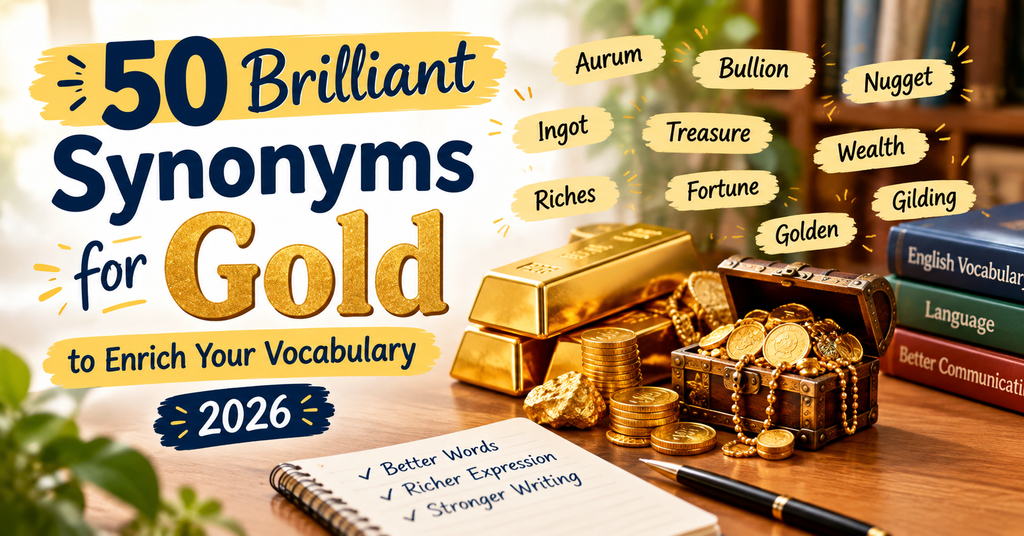
Finding the right word can make your writing more vivid, precise, and memorable. The synonyms for gold range from direct terms connected with the precious metal to descriptive words that suggest brightness, wealth, beauty, luxury, or exceptional value. Choosing the right alternative depends on the context and tone of your sentence.
Whether you are writing an essay, creating poetry, describing jewelry, discussing finance, or looking for a creative expression, a strong vocabulary gives your words more impact. This guide explores synonyms for gold through useful categories, examples, meanings, and natural expressions that can help you choose the perfect word.
Classic Synonyms for Gold
Classic alternatives are useful when you want to describe gold as a valuable metal, material, or form of wealth. Words such as aurum, oro, bullion, and precious metal work especially well in formal, historical, financial, and educational writing.
🌟 Aurum refers to gold in Latin and is often used in historical, scientific, or literary contexts. It gives writing a classical feeling and connects modern descriptions with the ancient history of this precious metal.
💰 Bullion describes gold held mainly for its monetary or investment value, usually in bars or ingots. It works well when discussing financial markets, reserves, investments, or physical stores of wealth.
🪙 Oro is the Spanish and Italian word for gold and can add an international or artistic touch to writing. It is particularly appropriate when discussing languages, cultures, jewelry, or global traditions.
✨ Precious metal is a broad term that includes gold, silver, platinum, and several other valuable metals. It is useful when gold is being discussed from an economic, investment, scientific, or jewelry perspective.
👑 Noble metal can describe gold because it is highly resistant to oxidation and corrosion. This term is especially suitable for chemistry-related writing, although it is broader than gold itself.
🏺 Aureate is a literary adjective meaning golden or gold-colored. It can describe something visually rich, radiant, or decorated with gold, making it particularly effective in descriptive and poetic writing.
🧈 Doré refers to a semi-pure alloy of gold and silver, often associated with material produced during mining. It is a specialized term that fits technical discussions about mining and gold processing.
🧱 Ingot describes a bar or block of metal produced by casting. While an ingot is not necessarily gold, the word commonly appears when describing commercially produced gold bars.
💎 Gold nugget describes a naturally occurring piece of native gold. The phrase is especially useful when writing about mining, prospecting, geology, natural treasures, or the discovery of valuable gold deposits.
🌅 Golden is one of the most versatile alternatives associated with gold. It can describe color, appearance, warmth, success, beauty, opportunity, or something considered especially valuable.
🪞 Gilded means covered with a thin layer of gold or gold-colored material. Figuratively, it can describe something that appears luxurious or impressive on the surface.
🎨 Gold leaf means extremely thin sheets of gold used for decoration. It is a precise term for art, architecture, religious objects, furniture, manuscripts, and ornamental craftsmanship.
🏛️ Gilding refers to the process of applying gold or a gold-like finish to an object. It is useful when describing decorative techniques used in art, architecture, furniture, and historical craftsmanship.
💵 Gold reserves refers to quantities of gold held by governments, central banks, or institutions. This phrase is appropriate for financial writing rather than everyday descriptions of the metal.
🏆 Treasure can represent gold when the emphasis is on its value, rarity, or importance rather than its chemical identity. It creates a stronger sense of discovery, adventure, and emotional significance.
🌞 Golden treasure is a descriptive phrase that combines material value with imagery. It works naturally in stories, travel writing, historical narratives, fantasy descriptions, and creative content involving wealth or discovery.
💍 Goldwork describes decorative or artistic work created with gold. The term is useful for discussing jewelry, sculpture, religious artifacts, historical craftsmanship, and traditional metalworking techniques.
🏦 Gold holding describes gold owned as an asset or investment. It fits financial discussions where the focus is on ownership rather than the physical appearance or decorative use of the metal.
📜 Aureum is another Latin-derived form associated with gold and can appear in historical or specialized contexts. Its unusual sound makes it suitable for literary, classical, or educational writing.
🔆 Auric means relating to gold or resembling gold. It is concise and sophisticated, making it useful when describing golden color, symbolism, luxury, or an atmosphere associated with wealth.
Synonyms for Gold Based on Color
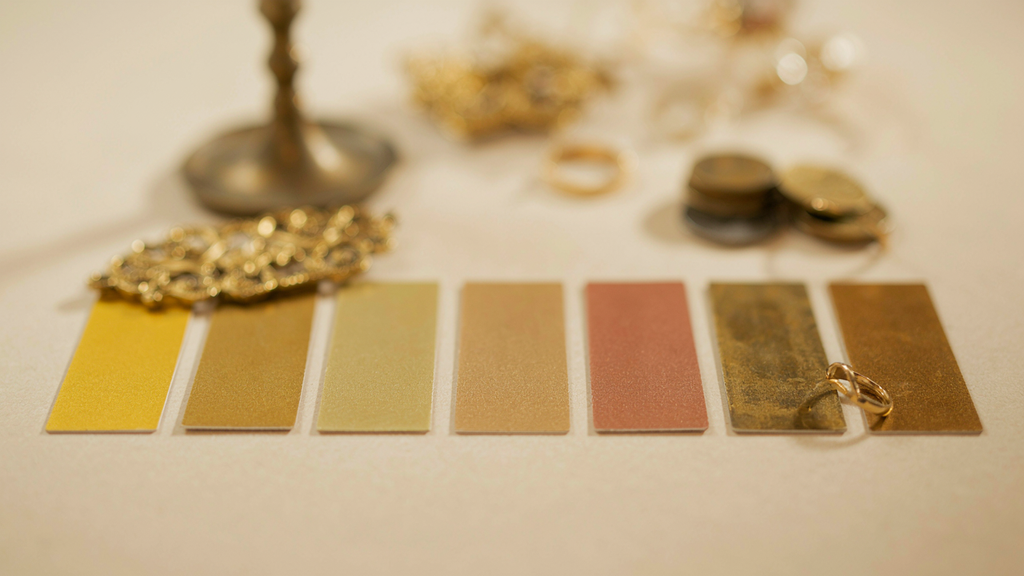
Gold is not simply a valuable metal; it is also a distinctive color. When describing appearance, alternatives such as amber, honeyed, saffron, topaz, and sunlit can create more precise visual imagery without suggesting that an object is actually made from gold.
🌅 Amber describes a warm yellow-orange color that can resemble certain shades of gold. It is especially effective for sunsets, jewelry, glass, autumn scenery, eyes, and warm decorative details.
🍯 Honeyed suggests a soft, warm golden-yellow tone. Beyond color, it can describe a pleasant voice or manner, making the word useful for both visual and figurative descriptions.
🌼 Saffron describes a rich yellow-orange shade associated with the valuable spice. It can replace gold when you want a warmer, deeper, more earthy color rather than a metallic appearance.
💎 Topaz can describe a yellow or golden color inspired by the gemstone. It works particularly well for jewelry, eyes, fabrics, decorative objects, and other descriptions where elegance and color are important.
☀️ Sunlit suggests something touched or illuminated by sunlight. Instead of directly naming gold, it creates an image of warm brightness and works beautifully in travel, nature, photography, and creative writing.
🌞 Sun-kissed describes a surface warmed or illuminated by sunlight. It is useful for landscapes, skin, architecture, beaches, and scenery where golden warmth matters more than metallic color.
✨ Golden-yellow provides a clear visual description without claiming that something contains gold. It is a practical choice for product descriptions, design writing, art commentary, and educational material.
🍂 Ochre is a natural earthy yellow to yellow-brown pigment. It can resemble muted gold and is particularly appropriate when describing paintings, architecture, pottery, landscapes, and traditional artwork.
🌾 Wheat-colored suggests a soft yellow-gold shade inspired by ripe wheat fields. It creates a natural, rustic feeling and works well for fabrics, hair, landscapes, walls, and seasonal imagery.
🧡 Honey-gold combines the warmth of honey with the richness associated with gold. It is an attractive descriptive phrase for interiors, jewelry, lighting, food photography, and autumn-inspired designs.
🔥 Burnished suggests a polished surface with a warm metallic glow. It is useful when describing gold-colored metal, antique objects, furniture, jewelry, or surfaces that reflect light softly.
🌟 Luminous emphasizes the way something seems to give off or reflect light. It can replace gold when the main idea is radiance rather than the actual material.
✨ Radiant describes something shining brightly or appearing full of light. It works especially well for sunsets, jewelry, fabrics, celebrations, and people whose appearance or presence seems particularly bright.
💫 Glowing creates an image of warm, visible light. It is a flexible alternative for describing golden sunsets, illuminated buildings, polished objects, skin tones, and other visually warm subjects.
🌞 Brilliant suggests exceptional brightness or intensity. It can describe a golden color when you want to emphasize how strongly it catches the eye.
🪙 Metallic refers to an appearance resembling metal rather than specifically gold. Adding a shade such as yellow, bronze, or gold can make the description more accurate.
✨ Shimmering describes light that appears to move or flicker across a surface. It is ideal for water, jewelry, fabrics, decorations, and landscapes with golden reflections.
💎 Sparkling suggests numerous bright reflections. It can replace a direct gold reference when the emphasis is on visual brilliance, especially in jewelry, celebrations, lights, or festive decorations.
🌅 Amber-gold combines two warm color concepts to create a rich, sophisticated description. It works particularly well for jewelry, lighting, interior design, photography, and natural scenery.
🌻 Golden-hued means having a color resembling gold. It is a precise and flexible expression that works well when describing flowers, landscapes, architecture, clothing, artwork, and natural light.
Synonyms for Gold Connected With Wealth
Gold has represented wealth and prosperity for thousands of years. In financial or figurative writing, words such as riches, fortune, affluence, prosperity, and treasure can express the value associated with gold without referring specifically to the metal.
💰 Wealth is one of the strongest conceptual alternatives associated with gold. It focuses on financial value rather than physical appearance and works naturally in business, economics, history, and everyday writing.
🏦 Riches refers to substantial wealth or valuable possessions. It often has a slightly literary quality and can create an image of abundance, prosperity, and material success.
💎 Fortune can describe a large amount of money or valuable assets. It is especially effective when discussing someone who has accumulated significant wealth or unexpectedly discovered something valuable.
🌱 Prosperity emphasizes successful growth, financial well-being, and abundance. Unlike gold itself, it focuses on the positive condition that wealth can represent.
🏛️ Affluence describes a state of considerable financial comfort or wealth. It is more formal than simply saying “riches” and works well in analytical, economic, and professional writing.
👑 Opulence suggests extreme wealth, luxury, and abundance. It is a strong descriptive choice when gold appears in lavish interiors, royal settings, expensive fashion, or grand architecture.
✨ Luxury refers to expensive quality, comfort, or indulgence. Gold often symbolizes luxury, so this word can communicate the cultural meaning of gold without describing the metal itself.
🪙 Valuable asset emphasizes gold’s role as something with financial worth. It is especially useful in investment discussions, financial education, and explanations of why people hold physical gold.
💵 Capital refers to financial resources used to create wealth or support economic activity. It is not a direct synonym for gold, but it can describe gold when discussing its role as an asset.
🏆 Prize can represent something valuable that someone wins or earns. Gold medals and gold awards often symbolize the highest level of achievement, making this association especially useful.
🌟 Reward describes something valuable received for achievement or effort. Gold can symbolize a reward because it is commonly associated with victory, excellence, and recognition.
💰 Windfall means an unexpected gain of money or valuable resources. It works well in stories about sudden discoveries, unexpected profits, or surprising financial success.
🏰 Treasure evokes valuable objects or riches that are carefully protected or discovered. It is particularly effective in adventure writing, historical stories, and descriptions involving hidden wealth.
🌍 El Dorado is a legendary city or land of immense wealth. Today, the phrase can figuratively describe a place or opportunity believed to offer extraordinary riches.
💎 Priceless possession emphasizes emotional or cultural value that may exceed a simple monetary price. It works when gold objects have family, historical, artistic, or sentimental importance.
👑 Affluent wealth emphasizes financial abundance and comfortable living. While less direct than “gold,” the phrase can provide a broader description of prosperity and material success.
🌟 Abundance suggests having more than enough of something valuable. It can replace gold metaphorically when the writer wants to emphasize plenty, prosperity, or a rich supply.
🏦 Financial security describes the stability created by sufficient financial resources. Gold may contribute to this idea as an investment or store of value, particularly in long-term financial planning.
💫 Material riches refers to valuable physical possessions or financial resources. It is useful when writing about historical wealth, luxury, treasure, or the visible signs of prosperity.
🪙 Store of value describes an asset that can preserve purchasing power over time. This phrase is particularly appropriate for serious financial writing about gold and its economic role.
Synonyms for Gold in Jewelry and Decoration
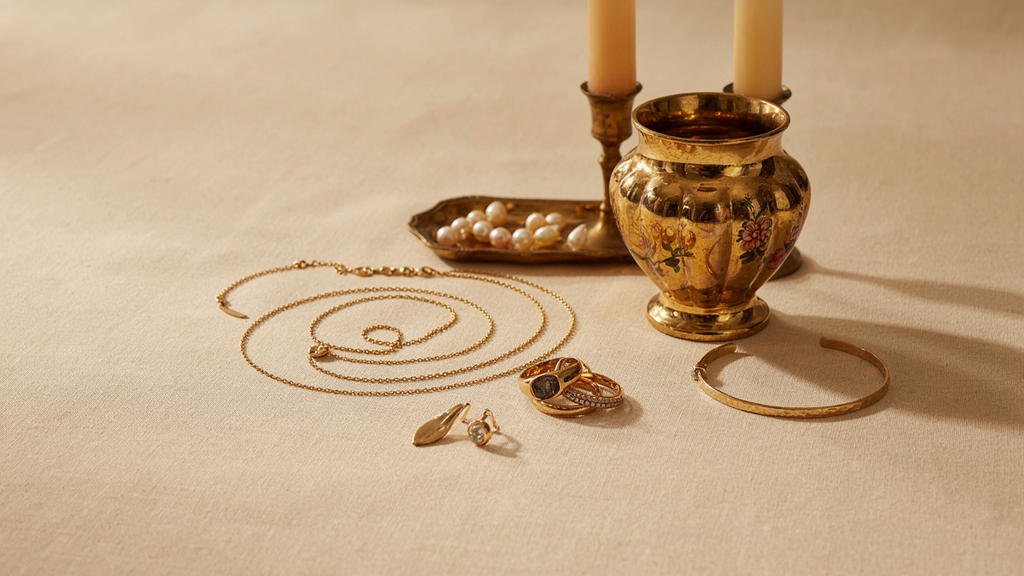
Gold has a major place in jewelry, architecture, fashion, art, and decorative design. Words such as gilded, ornamental, decorative, goldwork, and gold leaf are useful when describing objects where appearance and craftsmanship matter.
💍 Jewelry metal can describe gold when discussing its use in rings, necklaces, bracelets, earrings, and other adornments. It keeps the focus on craftsmanship and practical use rather than investment value.
👑 Gilded describes an object covered with gold or a gold-colored layer. It is especially suitable for frames, furniture, sculptures, buildings, books, and decorative architectural details.
🎨 Gold leaf refers to incredibly thin sheets of gold used for decoration. Artists and craftspeople apply it to surfaces when they want a luxurious metallic finish.
🏛️ Gilding describes the decorative process of applying gold to a surface. It has a long history in religious art, architecture, furniture, manuscripts, and ceremonial objects.
✨ Ornamental means intended mainly for decoration. Gold is frequently used ornamentally, so the term can describe golden details on objects without functioning as a direct synonym.
🪞 Decorative metal describes metal used primarily for visual appeal. Gold fits this description in many forms of architecture, jewelry, furniture, artwork, and interior design.
💎 Goldwork refers to artistic or decorative work involving gold. The word is particularly useful when discussing skilled craftspeople and traditional jewelry-making techniques.
🌟 Aureate decoration combines a literary word for golden with the idea of ornamentation. It can add sophistication to descriptions of historic interiors, artwork, ceremonial objects, or manuscripts.
👑 Glamorous metal emphasizes the visual and cultural appeal associated with gold. It works best in fashion, lifestyle, jewelry, and design writing rather than technical contexts.
💫 Lustrous metal highlights gold’s characteristic shine and reflective quality. It can describe polished jewelry, decorative surfaces, and finely crafted objects in elegant language.
🏺 Precious ornament focuses on the decorative and valuable nature of an object. It is particularly appropriate for historic jewelry, ceremonial pieces, heirlooms, and museum artifacts.
💍 Fine jewelry material emphasizes gold as a material used in high-quality adornment. This phrase works naturally in product descriptions, jewelry guides, and discussions of craftsmanship.
✨ Metallic embellishment refers to a decorative metallic detail added to an object. It can describe gold accents on clothing, furniture, architecture, artwork, or packaging.
🪙 Gold alloy is a technically accurate term for gold combined with other metals. Common jewelry alloys include combinations designed to change hardness, color, or durability.
🌹 Rose gold is a gold alloy with a warm pink or reddish appearance. It is a useful term when discussing contemporary jewelry, watches, fashion, and decorative design.
🤍 White gold is a gold alloy created with other metals to produce a pale appearance. It is widely used in rings, necklaces, earrings, watches, and other jewelry.
💛 Yellow gold describes gold retaining its familiar warm yellow appearance. It is one of the most recognizable choices for traditional jewelry and ceremonial pieces.
🏆 Gold-plated means an object has a layer of gold applied over another material. This distinction is important because gold-plated items are different from objects made entirely from solid gold.
🎀 Gilded finish describes a gold-like surface treatment that creates a polished, luxurious appearance. It is common in decorative objects, furniture, picture frames, and architectural features.
✨ Golden embellishment refers to a decorative detail that adds a gold-colored or gold-like appearance. It works well for fashion, packaging, interiors, artwork, and festive decorations.
Literary and Poetic Alternatives for Gold
Creative writing often benefits from indirect descriptions rather than repeating the word “gold.” Literary alternatives can focus on sunlight, brilliance, warmth, radiance, or preciousness, allowing writers to create stronger imagery and emotional depth.
🌞 Sunshine can symbolize gold when the emphasis is on warmth and brightness. It creates a softer image than the metal itself and works beautifully in poetry, nature writing, and emotional descriptions.
✨ Radiance suggests brilliant light or a glowing quality. A writer can use it to communicate the visual impression of gold while making the sentence feel more elegant and expressive.
🌅 Golden light is a poetic expression often associated with sunrise, sunset, and warm illumination. It creates strong visual imagery without suggesting that the light is literally made from gold.
💫 Brilliance describes exceptional brightness or excellence. In literary writing, it can represent the sparkle of gold or metaphorically describe intelligence, talent, success, and beauty.
🌟 Splendor conveys magnificent beauty and impressive richness. It works particularly well when gold appears in royal settings, sacred spaces, celebrations, historical scenes, or luxurious surroundings.
👑 Majesty emphasizes greatness, dignity, and impressive beauty. It can capture the symbolic role of gold in royal crowns, ceremonial objects, palaces, and religious traditions.
💎 Luster describes a soft or reflective shine. It is useful when a writer wants to focus on the visual quality of gold rather than its monetary value.
✨ Gleam means a small or brief appearance of reflected light. It is an excellent choice for describing a gold object that catches sunlight or appears briefly in a scene.
🌟 Glint refers to a quick flash of reflected light. It creates movement and detail in prose, particularly when describing jewelry, coins, metal, or sunlight.
💫 Glow suggests steady warmth or light. It can describe golden skin, candlelight, sunset, polished surfaces, or an atmosphere that feels warm and inviting.
🌞 Brilliance of the sun connects gold with the natural brightness of daylight. This phrase is particularly effective in poetic descriptions of landscapes, mornings, and dramatic sunsets.
🏆 Glory can represent gold symbolically because gold often stands for victory, excellence, and honor. It is especially useful in inspirational, historical, and ceremonial writing.
👑 Regal splendor combines ideas of royalty and magnificent beauty. It works well when describing golden crowns, palaces, ceremonial clothing, architecture, or luxurious surroundings.
🌅 Amber glow creates a warm, gentle image that resembles certain shades of gold. It is effective for sunsets, lamps, autumn scenes, candles, and intimate interior spaces.
✨ Shimmer describes a soft, flickering reflection of light. Writers can use it to make golden objects feel dynamic, delicate, and visually interesting.
💎 Luminous beauty focuses on light and attractiveness rather than material value. It is useful for poetic descriptions of jewelry, nature, architecture, or a person’s appearance.
🌻 Sunlit treasure is a creative phrase that combines brightness with preciousness. It can describe anything visually striking, from a landscape to an heirloom or cherished memory.
🔆 Aureate glow uses a sophisticated literary adjective to suggest golden warmth. It is especially appropriate for poetry, fiction, essays, and richly descriptive passages.
🏺 Rich radiance combines the idea of abundance with shining beauty. It can describe golden architecture, jewelry, paintings, textiles, or a particularly dramatic sunset.
🌟 Glittering splendor suggests both sparkling brightness and impressive beauty. It works especially well in fantasy, celebration, historical fiction, and descriptions of luxurious environments.
Synonyms for Gold in Business and Finance

In financial writing, precision matters. Gold may be discussed as a commodity, reserve asset, investment, hedge, or store of value. Using the right financial terminology makes articles clearer and prevents poetic expressions from being mistaken for technical definitions.
📈 Commodity describes gold when it is traded in financial and commercial markets. This term is broader than gold because commodities also include products such as oil, wheat, and natural gas.
🏦 Reserve asset describes gold held as part of a country’s or institution’s financial reserves. It is a formal economic term and is appropriate for central-bank discussions.
💰 Investment asset emphasizes gold’s role as something purchased with the expectation of preserving or increasing wealth. It works well in personal finance and investment education.
📊 Safe-haven asset refers to an asset investors may seek during periods of market uncertainty. Gold is frequently discussed in this context, although its price can still fluctuate significantly.
🪙 Bullion is a standard financial term for gold and other precious metals valued primarily by their weight and purity. It is commonly used for bars and investment-grade coins.
💵 Gold reserves refers to physical gold holdings maintained by central banks or governments. The term is widely used in discussions of monetary policy, national wealth, and financial stability.
📈 Hedge describes an investment intended to reduce exposure to certain risks. Gold is sometimes described as an inflation or market-risk hedge, depending on the investment strategy.
🏦 Store of wealth emphasizes gold’s long-standing association with preserving purchasing power. It is a useful phrase in historical and financial discussions of precious metals.
💎 Tangible asset describes something physical that has economic value. Gold qualifies because it exists as a physical commodity rather than solely as a financial claim.
🌍 Global asset highlights gold’s international recognition and trading activity. Unlike a local currency, gold is valued and traded across many different countries and markets.
📜 Monetary metal is a historical and economic expression for metals used as money or monetary reserves. Gold is the classic example of this category.
💰 Precious-metal asset places gold within a broader investment category. This wording is useful when comparing gold with silver, platinum, or palladium.
🪙 Physical gold distinguishes actual bars, coins, or other gold objects from financial products whose value tracks the gold price. It is a clear term for investment discussions.
📊 Gold holding refers to gold owned by an individual, company, fund, or institution. The expression works well when discussing portfolio allocation and asset ownership.
🏦 Reserve holding emphasizes gold retained for strategic or financial purposes. It is particularly suitable for discussions involving central banks and national reserves.
💵 Wealth preservation asset focuses on gold’s traditional role as a way to hold wealth. It communicates the purpose of ownership without claiming that gold always rises in value.
📈 Precious-metal investment refers to investing in gold or related metals. The phrase is broad enough for educational content comparing physical metals and financial instruments.
🌐 Tradable asset emphasizes that gold can be bought and sold in organized markets. It is useful in introductory finance writing and investment explanations.
💎 Valuable commodity combines gold’s market status with its high economic value. It is suitable for general business writing where technical financial terminology is unnecessary.
🪙 Gold-backed wealth is a descriptive phrase for wealth connected to physical gold holdings. It can be useful in historical discussions but should not be confused with every modern financial product.
Gold-Related Words for Nature and Objects
Gold appears throughout descriptions of nature, landscapes, plants, minerals, and everyday objects. These alternatives help writers identify specific shades, textures, and visual qualities instead of repeatedly using one general color word.
🌾 Wheat can evoke a natural golden appearance, especially when fields are mature and illuminated by sunlight. It is ideal for landscapes, autumn imagery, agriculture, and rustic descriptions.
🍯 Honey suggests a warm yellow or amber tone. It can describe colors in food, interiors, hair, wood, lighting, gemstones, and natural scenes.
🌅 Amber is both a fossilized resin and a warm yellow-orange color. Its dual meaning makes it especially useful when describing gemstones, jewelry, lighting, or natural materials.
🌻 Sunflower can evoke brilliant yellow-gold color and natural brightness. It works well as an image-based comparison in descriptions of gardens, summer scenes, and cheerful visual designs.
🍂 Autumnal suggests the warm colors commonly associated with fall, including yellow, amber, orange, and brown. It can indirectly evoke gold in seasonal landscape descriptions.
🌽 Corn-colored describes a bright yellow shade inspired by corn. It is useful when a writer wants a cheerful, natural yellow rather than a distinctly metallic gold.
🪨 Ochre refers to a naturally occurring earthy pigment. Its yellow-brown appearance can resemble muted gold and is commonly associated with art, soil, rock, and architecture.
💎 Topaz is a gemstone that can occur in golden-yellow shades. It provides a refined comparison when describing jewelry, eyes, fabric, lighting, or polished surfaces.
🌅 Sunrise can symbolize gold through the warm colors produced when the sun appears above the horizon. It creates a natural and emotional alternative in creative writing.
🌇 Sunset is another strong visual association because evening light can turn landscapes into shades of yellow, amber, orange, and gold. It is particularly useful in travel and photography writing.
🍁 Foliage can take on golden colors during autumn. This word works when describing trees and landscapes where the gold-like appearance comes from seasonal leaves.
🌾 Harvest can symbolize golden abundance through ripe crops and fields. It works particularly well in agricultural, seasonal, poetic, and cultural writing.
🌞 Daylight can suggest brightness and warmth without directly naming gold. It is useful when describing rooms, landscapes, photographs, and outdoor environments.
🕯️ Candlelight often produces a warm yellow-gold glow. The word works well for romantic, historical, festive, religious, and atmospheric descriptions.
🪵 Honey-toned describes a warm yellow-brown appearance often associated with wood. It is particularly effective for furniture, flooring, interiors, architecture, and natural materials.
🍯 Honey-colored offers a clear visual comparison for warm yellow or amber shades. It works naturally in food descriptions, design writing, jewelry descriptions, and nature imagery.
🌅 Sun-washed suggests a surface strongly illuminated by sunlight. It is an expressive choice for buildings, beaches, landscapes, walls, and travel photography.
✨ Glittering describes surfaces covered with numerous small flashes of reflected light. It can evoke gold without claiming that the object contains the precious metal.
💫 Sparkling emphasizes bright reflections and visual energy. It is useful for water, jewelry, decorations, gemstones, festive lights, and other luminous subjects.
🌟 Radiant describes something that appears to shine intensely or beautifully. It is flexible enough for nature, people, architecture, jewelry, photography, and creative writing.
Synonyms for Gold That Suggest Excellence

Gold is frequently used as a symbol of first place, exceptional quality, achievement, and success. In these contexts, words such as brilliant, superior, excellent, outstanding, and priceless may communicate the intended idea more accurately.
🏆 Excellent means extremely good or of high quality. It can replace gold metaphorically when describing outstanding work, achievements, products, ideas, or experiences.
🌟 Outstanding means exceptionally good or impressive. It is useful when gold represents the highest level of performance rather than the physical metal itself.
💎 Exceptional describes something that stands noticeably above ordinary standards. It works well in professional writing, reviews, product descriptions, and achievement-focused content.
✨ Brilliant can describe something exceptionally impressive, intelligent, bright, or successful. It is one of the most flexible alternatives when gold represents excellence rather than material value.
🥇 First-rate means of excellent quality or standard. It is particularly appropriate for products, services, performances, skills, and professional achievements.
👑 Superior means higher in quality, importance, or performance compared with something else. It is useful in formal comparisons and evaluative writing.
🏅 Premier describes something regarded as among the best or most important. It can communicate the prestige symbolized by a gold award.
🌟 Top-tier means belonging to the highest level of quality or performance. It is a modern expression that works well in business, technology, services, and lifestyle content.
💫 Superlative describes something of the highest degree or excellence. It is particularly useful in formal writing when gold symbolizes an unmatched standard.
🏆 Award-winning implies recognition for exceptional achievement. It works naturally when gold is associated with medals, competitions, products, creative work, or professional success.
✨ Acclaimed describes something publicly praised or recognized for quality. It is especially appropriate for books, films, performances, restaurants, destinations, artists, and professional achievements.
💎 Prestigious emphasizes respect, status, and admiration. It captures the social symbolism of gold medals, luxury objects, elite awards, and high-status accomplishments.
👑 Distinguished means notably excellent or respected. It works particularly well in professional, academic, historical, and leadership-related contexts.
🌟 Remarkable means worthy of attention because something is unusual or impressive. It can replace gold figuratively when describing a memorable achievement or exceptional quality.
🥇 Champion represents a winner or someone who achieves the highest position. The connection with gold is especially strong in sports and competitive settings.
💫 Victorious describes having won a competition or overcome an obstacle. It captures the achievement symbolized by gold medals and first-place awards.
🏆 Triumphant emphasizes victory, success, and celebration. It works well in inspirational writing, sports stories, historical narratives, and descriptions of major accomplishments.
✨ Magnificent means exceptionally beautiful, impressive, or grand. It can express the emotional impact associated with luxurious gold objects and spectacular achievements.
👑 Glorious suggests great beauty, honor, or success. It works especially well in literary writing where gold represents triumph, dignity, or greatness.
💎 Priceless describes something considered beyond ordinary monetary value. It is useful when gold symbolizes something extraordinarily meaningful rather than simply something expensive.
Synonyms for Gold in History and Culture
Gold has played an important role in ancient civilizations, religion, royalty, trade, art, and cultural traditions. Historical vocabulary should distinguish actual gold from symbolic concepts such as power, sacredness, prosperity, prestige, and immortality.
🏺 Aurum connects modern discussions of gold with the Latin language used in ancient Roman contexts. It is particularly useful for historical writing, classical studies, and discussions of ancient terminology.
👑 Royal treasure describes gold and other valuable objects associated with monarchs or ruling families. It emphasizes status, heritage, ceremonial importance, and political power.
🏛️ Regal wealth describes the riches associated with kings, queens, courts, and royal institutions. It is a useful figurative expression in historical narratives and cultural commentary.
✨ Sacred metal can describe gold in traditions where the material is associated with temples, religious objects, offerings, or divine symbolism. The phrase is cultural rather than a scientific classification.
🪙 Ancient bullion can refer to historically significant gold held in standardized or valuable forms. It works best when discussing monetary history, archaeology, trade, or ancient economies.
🏺 Golden relic describes a historic or religious object containing gold or strongly associated with golden decoration. It creates a sense of age, heritage, and cultural importance.
👑 Crown metal is a descriptive phrase connecting gold with royal crowns and ceremonial objects. It works in creative or historical writing rather than technical contexts.
🌞 Solar symbol reflects the long-standing association between gold and the sun. Many cultures connected the metal’s brightness and permanence with solar power and divine imagery.
💰 Ancient wealth describes riches associated with earlier civilizations. Gold often serves as the clearest symbol of such wealth in historical storytelling.
🏛️ Imperial splendor describes the impressive luxury and authority associated with empires. Gold frequently appeared in imperial architecture, clothing, objects, and ceremonial displays.
✨ Aureate heritage combines the idea of gold with cultural inheritance. It can describe traditions, architecture, artwork, jewelry, or historical objects passed through generations.
🪙 Golden currency refers to money made from or historically connected with gold. It is appropriate when discussing coins, monetary systems, trade, and economic history.
🏺 Gold artifact is a precise archaeological expression for an object made partly or entirely from gold. It works particularly well in museum, archaeology, and historical writing.
👑 Gilded heritage suggests historical objects or buildings decorated with gold. It emphasizes craftsmanship, preservation, and cultural history rather than monetary value.
🌟 Golden age refers to a period remembered as especially successful, prosperous, or culturally significant. It is a metaphorical expression rather than a reference to physical gold.
💫 Golden legacy describes achievements, traditions, or contributions remembered for their lasting value. It works well in historical, cultural, family, and inspirational writing.
🏆 Golden achievement describes an accomplishment considered exceptionally important or successful. It is particularly suitable for awards, sports, careers, and milestone celebrations.
🌞 Solar gold is a creative expression connecting gold with sunlight and ancient solar symbolism. It can add atmosphere to historical, fantasy, artistic, or poetic descriptions.
🏛️ Imperial gold can describe gold associated with empires, rulers, or imperial decoration. It is a contextual expression rather than a strict dictionary synonym.
📜 Golden antiquity evokes the wealth, craftsmanship, and cultural achievements associated with ancient civilizations. It works best as a literary phrase in historical and creative writing.
Choosing the Right Synonym for Gold

The best synonym depends on what you actually mean. A financial article may need bullion or reserve asset, while a poem may benefit from radiance or sunlit. Understanding context helps you avoid inaccurate or awkward word choices.
🎯 Choose “bullion” for investment writing. This term is more precise than a poetic alternative when discussing gold bars, coins, market value, or physical precious-metal investments.
✍️ Choose “aureate” for literary writing. The word sounds sophisticated and works especially well when you want to describe something golden, richly decorated, or visually magnificent.
💍 Choose “goldwork” for craftsmanship. It highlights the artistic process and skill involved in creating decorative objects, jewelry, religious artifacts, and other works involving gold.
🌅 Choose “amber” for warm color. Amber is ideal when describing a yellow-orange shade and helps readers visualize a softer, warmer appearance without assuming the object is actually gold.
💰 Choose “wealth” for financial meaning. If gold represents money, prosperity, or economic power in your sentence, wealth may communicate the intended idea more clearly.
✨ Choose “radiance” for brightness. This word is useful when the important feature is light rather than material, especially in descriptions of sunsets, jewelry, architecture, or people.
👑 Choose “opulence” for luxury. When gold appears as part of an extravagant environment, this word emphasizes richness, grandeur, and expensive visual appeal.
🏆 Choose “excellence” for achievement. Gold medals often symbolize being the best, so excellence may be more appropriate than a literal metal-related word.
🌞 Choose “sunlit” for natural imagery. This word creates a warm visual impression and is especially effective in travel articles, landscape descriptions, photography, and nature writing.
🪙 Choose “ingot” for a physical bar. An ingot is a manufactured block of metal, so it is more specific than simply calling every piece of gold “bullion.”
💎 Choose “topaz” for gemstone-inspired color. This alternative is useful when the desired shade resembles golden-yellow topaz and the writing benefits from a refined visual comparison.
🏺 Choose “gold artifact” for archaeology. This phrase is clearer when discussing historical objects because it tells readers that the subject is both an artifact and connected to gold.
🌟 Choose “golden” for everyday descriptive writing. It is flexible enough to describe color, light, opportunity, success, memories, achievements, and many other concepts.
📊 Choose “commodity” for market discussions. Gold is traded as a commodity, making this term appropriate for articles explaining markets, prices, trading, and global economic activity.
🎨 Choose “gold leaf” for decorative sheets. If you mean extremely thin gold applied to artwork, furniture, architecture, or manuscripts, this specific term is much more accurate.
💫 Choose “luster” for shine. This word focuses on the way a surface reflects light and is particularly helpful in jewelry, mineral, art, and material descriptions.
👑 Choose “regal” for royalty. When gold symbolizes kingship, prestige, or ceremonial power, regal can communicate the cultural meaning without referring to the metal itself.
🌾 Choose “honeyed” for soft warmth. It is especially effective for colors, voices, light, and other descriptions where a gentle golden quality is more important than metallic brilliance.
🏦 Choose “store of value” for economics. This phrase explains gold’s financial function and is more appropriate than decorative or poetic vocabulary in serious investment content.
✨ Choose “brilliant” for exceptional quality or brightness. Its flexibility makes it useful in both descriptive and figurative writing, from brilliant colors to brilliant ideas and achievements.
FAQs
What is the best synonym for gold?
The best synonym depends on context. Aurum is a classical term, bullion works for investment gold, golden works for color, and aureate is useful in literary writing.
What is another word for gold in English?
Common alternatives include golden, aurum, bullion, precious metal, aureate, gilded, auric, treasure, and goldwork. Some are direct terms, while others describe gold’s appearance, value, or cultural meaning.
What is a fancy word for gold?
Aureate is one of the most elegant literary words associated with gold. Auric is another sophisticated choice, particularly when describing something related to or resembling gold.
What is the Latin word for gold?
The Latin word for gold is aurum. The chemical symbol for gold, Au, comes from this Latin term and remains part of modern scientific terminology.
Is bullion a synonym for gold?
Bullion is not a complete synonym for gold in every situation. It specifically refers to precious metal, including gold, valued primarily by weight and purity, usually in bars or investment-grade forms.
What words describe the color gold?
Words and phrases that can describe gold-like colors include amber, honeyed, saffron, topaz, ochre, golden-yellow, honey-gold, sunlit, and golden-hued.
What is a poetic word for gold?
Poetic choices include radiance, brilliance, splendor, glow, gleam, glint, aureate, and sunlit. These words focus more on gold’s beauty, warmth, light, or symbolism than its material identity.
What is a synonym for gold that means wealth?
Words such as wealth, riches, fortune, prosperity, opulence, treasure, and affluence can express the idea of wealth associated with gold. They are usually figurative rather than literal synonyms.
What is the difference between golden and gold?
Gold normally refers to the metal itself, while golden is commonly an adjective describing color, appearance, quality, or symbolism. For example, “gold ring” and “golden light” have different grammatical uses.
How can I use gold synonyms in writing without sounding repetitive?
Choose alternatives according to meaning rather than replacing every occurrence mechanically. Use technical terms for technical subjects, color words for visual descriptions, and figurative terms when gold represents wealth, success, beauty, or prestige.
Conclusion
A strong vocabulary gives writers more ways to communicate precise ideas, and gold offers an especially rich range of descriptive possibilities. From aurum and bullion to radiance, amber, opulence, and aureate, each word carries a slightly different meaning, tone, or image.
The most effective synonyms for gold are chosen according to context rather than used simply to avoid repetition. Whether you are writing about jewelry, finance, history, nature, literature, or achievement, the right alternative can make your sentence clearer, more vivid, and more memorable.
Rrea More: Biting Finger Emoji Meaning: What It Signals 2026