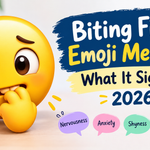
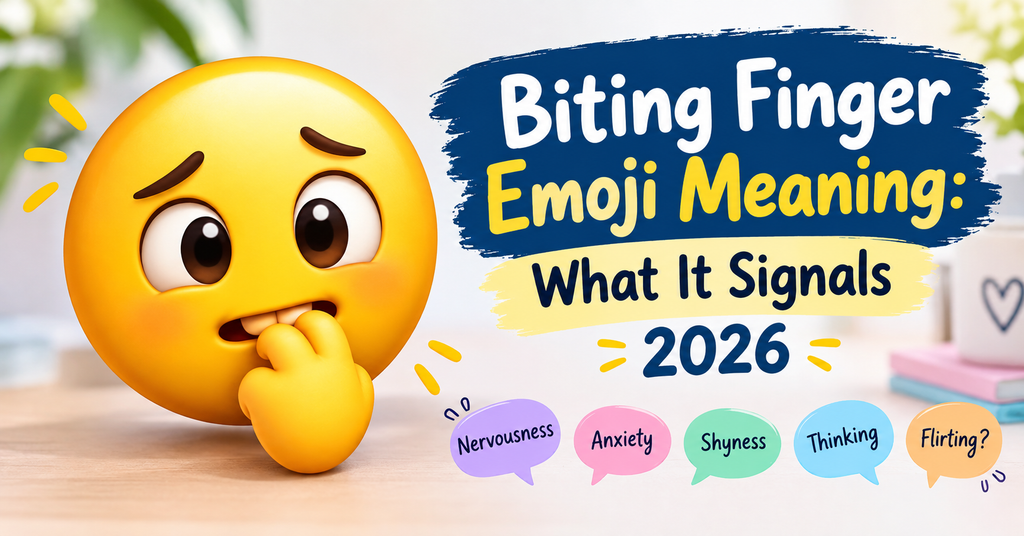
The Biting Finger Emoji phrase is often used online when people describe a playful, shy, nervous, or flirty expression involving the 🫦 emoji. In reality, 🫦 is officially the biting lip emoji, but many users casually call it a biting finger emoji because of how the hand-and-mouth visual can be interpreted in some emoji discussions.
The Biting Finger Emoji meaning depends heavily on context, the relationship between two people, and the emojis surrounding it. It can suggest attraction, anticipation, embarrassment, teasing, nervousness, or simply a cute reaction, so looking at the complete message is more reliable than assigning one fixed meaning.
What Does the Biting Finger Emoji Mean?
The 🫦 emoji is officially associated with biting a lip, not biting a finger. It commonly communicates nervousness, attraction, anticipation, shyness, or a playful and suggestive mood. The surrounding words and relationship between the people determine whether the message feels romantic, awkward, cute, or teasing.
😳 The emoji can express nervous excitement when someone feels shy about what they are saying. It may fit a message where attraction and embarrassment happen at the same time, especially during a playful conversation.
💕 In romantic texting, 🫦 can add a subtle sense of attraction without directly stating romantic feelings. It often makes an otherwise ordinary sentence sound more playful, intimate, or suggestive.
🙈 Someone may use 🫦 when they feel embarrassed but still want to continue a fun conversation. The expression can communicate, “I am shy about this, but I like where this conversation is going.”
✨ The emoji can represent anticipation before something exciting happens. A person might use it when waiting for a response, meeting someone special, or expecting an enjoyable surprise.
😏 When paired with a smirking face, 🫦 can become more obviously teasing. The combination may suggest confidence, flirtation, or a playful challenge rather than simple nervousness.
🥰 Couples sometimes use the emoji to make affectionate messages feel more playful. It can work especially well when the conversation already has a warm, romantic, or intimate tone.
😬 In an awkward conversation, 🫦 may communicate nervous energy rather than attraction. Someone could use it after making an uncomfortable confession or saying something they immediately feel shy about.
🤭 The emoji can suggest that someone is holding back a reaction. It may imply that the person has something playful or revealing to say but is choosing to remain slightly mysterious.
❤️ A heart beside 🫦 usually strengthens the romantic interpretation. It can turn a simple emotional reaction into something that feels affectionate, attracted, or personally meaningful.
😅 Context matters when interpreting the emoji because the same symbol can carry different emotions. A nervous person and a flirtatious person may both use 🫦 while intending completely different messages.
🔥 In a bold conversation, 🫦 may suggest strong attraction or chemistry. When combined with other expressive emojis, it can create a more confident and suggestive tone.
🌸 A softer combination can make 🫦 feel cute rather than provocative. Friends or couples may use it when discussing a crush, compliment, outfit, or embarrassing romantic moment.
🤫 The emoji can sometimes represent keeping a secret or resisting the urge to speak. It works particularly well when someone wants to imply that they know something interesting.
👀 Pairing 🫦 with eyes can signal that someone is paying close attention to an attractive or intriguing situation. The meaning becomes more suggestive when the conversation already involves flirting.
💫 Some users employ 🫦 simply because they like its expressive appearance. In that case, it may not carry a deep romantic meaning and can function as a playful reaction.
😍 When attraction is obvious, 🫦 can reinforce admiration. A message containing a compliment followed by this emoji may communicate that the sender finds the other person especially appealing.
🫣 The combination of shyness and lip biting can communicate vulnerable attraction. It may be appropriate when someone wants to show interest without sounding overly direct or confident.
😂 In humorous conversations, 🫦 can be intentionally exaggerated. The sender may use it as a joke to make a dramatic reaction look funnier or more theatrical.
💬 The meaning also changes according to the platform and audience. A casual WhatsApp message may feel different from an Instagram comment, TikTok reaction, or private romantic conversation.
🌙 In a good-night text, 🫦 can add a playful or affectionate undertone. Whether it feels innocent or flirtatious depends on the existing relationship and the words accompanying the emoji.
Biting Finger Emoji Meaning in Text and Chat
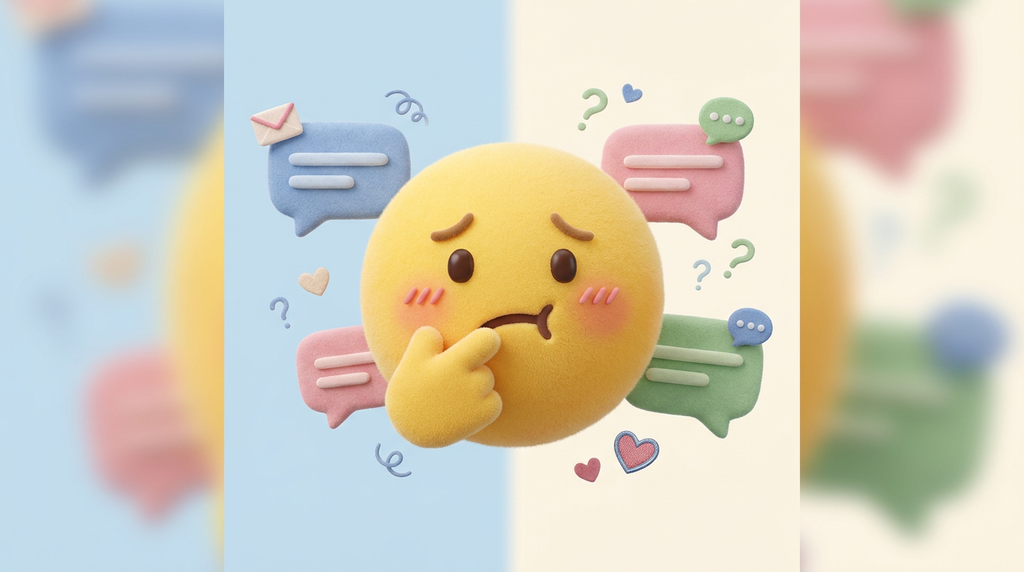
When people search for the Biting Finger Emoji meaning in text, they are often trying to understand a visual expression rather than an official Unicode name. In everyday communication, 🫦 can signal shyness, nervousness, attraction, anticipation, or playful tension, depending on the conversation.
💬 In ordinary texting, 🫦 may mean that someone feels slightly nervous about what they just said. It can soften a bold statement and make the message sound less serious or more playful.
😳 If someone sends 🫦 after receiving a compliment, it may suggest embarrassment mixed with pleasure. The sender could be enjoying the attention while feeling too shy to respond directly.
😉 A flirty text followed by 🫦 often creates playful tension. It may communicate interest without making the sender state their feelings openly, leaving room for the other person to respond.
🙈 When used after a personal confession, 🫦 can signal vulnerability. The sender may be nervous about the reaction and use the emoji to make the confession feel lighter.
🥹 The emoji may accompany an emotional message when someone feels overwhelmed by affection. In romantic texting, this combination can suggest that the sender feels touched, shy, or deeply appreciative.
😏 A person who sends a teasing sentence followed by 🫦 may be intentionally creating suspense. The expression can suggest that there is more behind the message than the literal words reveal.
🤭 If someone uses 🫦 after saying something embarrassing, it may function like a digital nervous gesture. The sender is acknowledging awkwardness while keeping the conversation friendly.
❤️ A heart can make the meaning warmer and more affectionate. Instead of simply signaling nervousness, the combination may communicate romantic interest or fondness toward the recipient.
👀 When 🫦 follows a comment about someone’s appearance, it can become more suggestive. The sender may be implying attraction, although the exact meaning still depends on their usual communication style.
😅 The emoji can also appear when someone is unsure how to respond. Rather than writing a long explanation, they may use an expressive symbol to show nervous energy or uncertainty.
🔥 In flirtatious conversations, 🫦 can amplify chemistry. The combination can indicate that the sender finds the conversation exciting, but it should not automatically be interpreted as an invitation for anything more.
🤍 A white heart gives the message a gentler feeling. This pairing may work when someone wants to express affection while keeping the overall tone sweet rather than strongly romantic.
🫣 The pairing can communicate shy attraction particularly well. It suggests that the sender is interested but somewhat hesitant, making the emotional tone more vulnerable and less confident.
😂 If the conversation is clearly humorous, 🫦 may simply be part of an exaggerated reaction. Emoji interpretation should always begin with the surrounding words instead of assuming a romantic meaning.
💭 Someone might use 🫦 when thinking about an exciting possibility. In that situation, it can communicate anticipation without necessarily referring to physical attraction or romance.
🤫 The emoji may imply that a person is holding something back. It can be used when someone wants to hint at an answer but prefers to let the other person guess.
🌹 In romantic conversations, pairing 🫦 with a rose can create an affectionate atmosphere. The combination may suggest attraction, romance, or a playful mood between two people who already have chemistry.
😬 When used after a difficult question, 🫦 can express nervousness. The sender might be waiting anxiously for an answer while trying to make the moment feel less uncomfortable.
🥰 A loving context can turn 🫦 into a cute reaction rather than a provocative one. Couples and close friends sometimes use expressive emojis simply to add personality to affectionate conversations.
📱 Digital communication lacks facial expressions and body language, so emojis help fill that gap. 🫦 can communicate a subtle emotional reaction that would otherwise require several sentences to explain.
Biting Lip Emoji Meaning in Romantic Conversations
The 🫦 emoji has a particularly strong connection with romantic and flirty conversations. Its visual expression can suggest attraction, nervous anticipation, shyness, or playful desire, but the safest interpretation comes from the entire conversation rather than the emoji alone.
💖 A romantic message followed by 🫦 can suggest that the sender feels attracted to the person receiving it. The emoji adds emotional intensity without requiring a direct statement of romantic interest.
😳 Someone may use 🫦 after receiving a surprisingly sweet compliment. It can communicate that the compliment made them blush or feel pleasantly nervous.
😏 The combination of 🫦 and a smirking face often feels more deliberately flirtatious. It may suggest teasing confidence rather than simple shyness.
🥰 When couples use 🫦 with affectionate language, it can reinforce closeness. The emoji may simply add a playful touch to an already loving conversation.
🔥 In a conversation about attraction, 🫦 can make the tone noticeably more suggestive. The sender may be signaling chemistry while still relying on playful ambiguity.
🌹 Romantic imagery can soften the expression. A message containing a rose and 🫦 may communicate affection, flirtation, and romantic anticipation in a visually expressive way.
🫣 The shy face paired with lip biting creates a vulnerable romantic tone. It can suggest that someone is interested but feels nervous about admitting those feelings openly.
❤️ A red heart makes the romantic interpretation stronger. Still, the relationship matters because close friends may also use hearts casually without intending romantic attraction.
👀 Adding eyes can make the message feel more teasing. It may suggest that the sender is watching, noticing, or waiting for the recipient to make the next move.
💌 In a romantic message, 🫦 can work as an emotional punctuation mark. It gives a sentence a playful edge that plain text might not communicate as effectively.
✨ Someone might send 🫦 after discussing a future date or meeting. In that setting, the emoji can communicate excitement and anticipation rather than nervousness alone.
😊 A softer smile can balance the suggestive quality of 🫦. This combination may be useful when someone wants to flirt while keeping the message friendly and approachable.
🥹 If someone sends a heartfelt romantic confession with 🫦, the emoji can show emotional vulnerability. It may indicate that saying those feelings aloud feels exciting and intimidating at once.
😍 After a compliment about appearance, 🫦 may communicate strong admiration. The recipient should still consider the sender’s normal texting style before assuming romantic intent.
💫 The emoji can represent romantic anticipation before a date. It may express that someone is excited, slightly nervous, and looking forward to seeing another person.
🤭 In a playful relationship, 🫦 can be used to tease a partner. The sender may intentionally create a little suspense instead of explaining exactly what they are thinking.
🌙 A late-night romantic conversation can make 🫦 feel more intimate. However, the meaning remains dependent on the relationship and the surrounding language.
🫶 The combination can express affection alongside playful attraction. It may be particularly natural between partners who already understand each other’s emoji habits.
😘 A kiss emoji followed by 🫦 can create an unmistakably affectionate tone. The combination usually works best when both people are already comfortable with romantic communication.
💞 Romantic emojis are not universal codes with one fixed definition. The same 🫦 symbol can mean nervousness to one person and flirtation to another, so conversation history is essential.
Is the Biting Finger Emoji Flirty or Nervous?
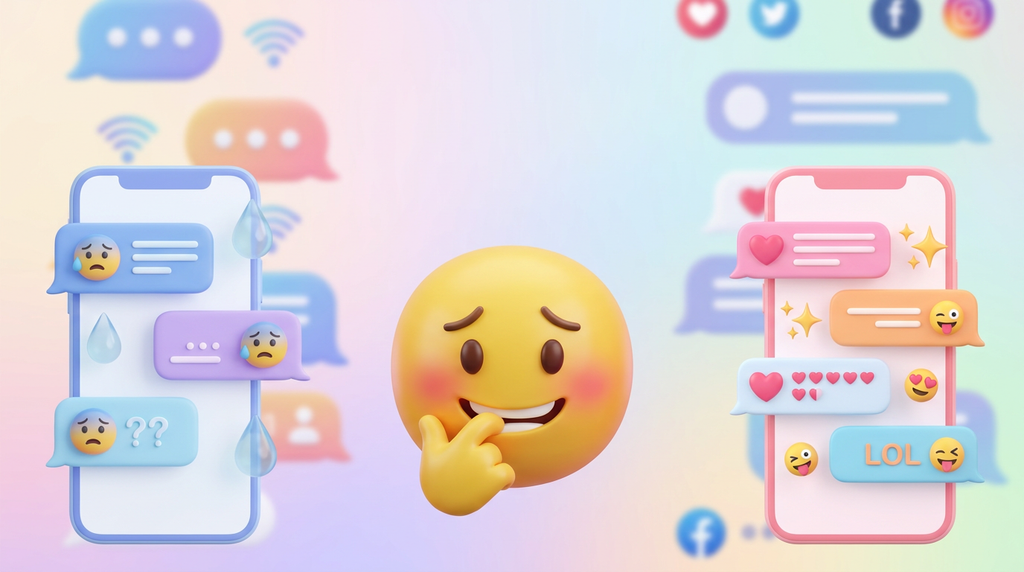
One of the most common questions about the Biting Finger Emoji is whether it means flirting or nervousness. The answer is that it can mean either. The emotional difference usually comes from the words, relationship, timing, and other emojis surrounding 🫦.
😬 If the message discusses an uncomfortable situation, 🫦 may represent nervousness rather than flirting. The sender could simply be showing that they feel uncertain about what will happen next.
😏 A confident compliment followed by 🫦 is more likely to sound flirtatious. The combination creates a playful tone that can imply attraction or intentional teasing.
🙈 When someone is discussing a crush, 🫦 may show shy excitement. The sender could be interested but uncomfortable expressing those feelings in direct words.
❤️ Romantic context naturally increases the chance of a flirty interpretation. A heart, affectionate wording, and 🫦 together usually create a warmer emotional message.
😂 Humor can completely change the meaning. If friends are joking around, the emoji may simply be an exaggerated reaction rather than a serious romantic signal.
👀 If the emoji follows a comment about someone’s appearance, attraction becomes more plausible. Still, it is better to read the entire conversation before drawing conclusions.
🫣 A nervous face combined with 🫦 usually emphasizes shyness. This can happen when someone wants to show interest but does not feel comfortable being direct.
🔥 A fire emoji can make 🫦 appear more suggestive. In conversations about style, attraction, or chemistry, this combination may strongly suggest admiration.
🤭 If someone uses the emoji after making a bold joke, it may communicate playful embarrassment. They might know their comment was cheeky and are acknowledging that fact.
💬 Texting removes tone of voice, facial expression, and gestures. Emojis therefore provide clues, but they cannot reliably reveal someone’s exact emotional intention.
🥰 Couples often use emojis in highly personalized ways. A 🫦 from a partner who regularly uses expressive symbols may simply be part of their normal affectionate communication.
🤍 A softer heart can make the message feel tender rather than strongly flirtatious. It may indicate affection, friendship, appreciation, or emotional closeness.
😍 Strong admiration combined with 🫦 can signal attraction. The more direct the surrounding compliment, the more likely the emoji supports that interpretation.
🤫 Sometimes 🫦 means “I should not say what I am thinking.” In a playful conversation, that can create mystery and invite the other person to guess.
🌸 A cute conversation about a crush may use 🫦 as a shy reaction. Here, the emotional tone is often innocent, nervous, and playful at the same time.
💫 Anticipation is another common interpretation. Someone waiting for a date, message, surprise, or exciting event may use the emoji to show nervous excitement.
😅 If someone sends it after admitting a mistake, the meaning may be awkwardness. The emoji can help soften the situation and make the admission feel less serious.
💕 A romantic heart can shift the interpretation toward affection. Even then, the emoji alone should not be treated as proof of someone’s feelings.
🗣️ Direct communication is clearer when the stakes are high. If you genuinely need to know whether someone is flirting, asking respectfully is more reliable than decoding one emoji.
🌟 The best interpretation combines context, wording, relationship, and emoji combinations. 🫦 can be flirty, nervous, shy, playful, or simply expressive depending on the situation.
Biting Finger Emoji Meaning From a Girl
When a girl sends 🫦, people often search for a hidden meaning, but there is no universal “girl code” for the emoji. Her communication style, relationship with the recipient, and surrounding words are much more useful clues than gender alone.
💕 If she sends 🫦 after a romantic compliment, she may be signaling that she feels shy or attracted. The emoji can be a playful way to acknowledge attention without giving a completely direct answer.
😳 A nervous response after a personal question may indicate embarrassment. She could be unsure how to respond while still wanting to keep the conversation comfortable and friendly.
😏 If the conversation is already teasing, 🫦 may carry a stronger flirtatious tone. It can suggest playful confidence or interest rather than simple nervousness.
🥰 In an affectionate conversation, the emoji may simply communicate warmth. It does not automatically mean she is making a serious romantic statement.
👀 If she sends 🫦 after discussing someone’s appearance, attraction becomes a possible interpretation. However, the surrounding message should always be considered before reaching a conclusion.
🙈 The combination may express shy embarrassment. She could be acknowledging a compliment while feeling too bashful to respond with a straightforward romantic statement.
❤️ A heart beside the emoji can strengthen affection. Whether that affection is romantic depends on the existing relationship and how she normally uses hearts.
🤭 If she uses it after a cheeky joke, the emoji may signal that she knows the message was playful. It can communicate embarrassment without necessarily indicating attraction.
🔥 In conversations about appearance or chemistry, 🫦 may become more suggestive. This is especially possible when several flirtatious cues appear together.
💬 Some people use emojis frequently and casually. If she sends expressive emojis to everyone, 🫦 may carry less personal significance than it would in a conversation where she rarely uses emojis.
🫣 A shy-face pairing can suggest vulnerability. She may be interested but uncertain about how openly she should express that interest.
✨ The emoji can also show excitement about an upcoming meeting. Anticipation does not always equal romantic attraction, especially when the event itself is exciting.
😍 If she responds to a flattering photo with 🫦 and admiration, attraction becomes more plausible. Still, the actual words provide stronger evidence than the emoji alone.
🌸 A cute conversation can make the emoji feel playful rather than sensual. Younger or casual users may use expressive emojis simply because they fit the emotional mood.
🤫 Sometimes the emoji means she is holding back a comment. It can be a humorous way of saying that she has a thought but is choosing not to reveal it.
🫶 In a close relationship, 🫦 may appear alongside affectionate emojis without carrying a separate hidden message. Personal emoji habits can become part of how couples communicate.
😅 If she uses it after an awkward moment, nervousness is a strong possibility. The emoji may be functioning like a digital version of an embarrassed facial expression.
💫 If she is discussing a future date, trip, or exciting plan, 🫦 may express anticipation. The emotional meaning can be excitement mixed with slight nervousness.
🌹 Romantic language paired with 🫦 usually creates a clearly affectionate atmosphere. The exact level of flirtation still depends on how both people normally communicate.
🧠 The most reliable approach is to avoid treating an emoji as evidence of someone’s feelings. Look for consistent behavior, direct language, and mutual comfort rather than relying on one symbol.
Biting Finger Emoji Meaning From a Boy
A boy using 🫦 can also express several different emotions, including nervousness, attraction, teasing, embarrassment, or anticipation. Gender does not create a fixed emoji dictionary, so context remains the strongest guide to interpretation.
😏 If he sends 🫦 during playful teasing, the emoji may indicate flirtation. It can suggest that he is intentionally making the conversation more playful or slightly suggestive.
❤️ After a romantic compliment, 🫦 may communicate attraction or shyness. He could be acknowledging the compliment while avoiding a very direct emotional response.
😬 In an awkward discussion, the emoji may simply show nervousness. It can function as a visual cue that he is uncomfortable or unsure what to say.
👀 When responding to someone’s attractive photo, 🫦 can suggest admiration. The interpretation becomes stronger if the accompanying text is also clearly complimentary or flirtatious.
🤭 A boy might use the emoji jokingly after saying something cheeky. In this context, it can mean that he knows the message was bold or slightly embarrassing.
🔥 Pairing 🫦 with fire can create a more intense expression of attraction. However, emoji combinations still need to be understood alongside the actual words being exchanged.
🥰 In a relationship, the emoji may simply be affectionate. Couples often develop personal meanings for emojis that do not match common internet interpretations exactly.
🫣 The combination can indicate shy attraction. It may suggest that he feels interested but is hesitant to make his feelings completely obvious.
💬 Some people use 🫦 as a general reaction without thinking deeply about its symbolism. Their normal texting habits can therefore be more informative than online emoji dictionaries.
😂 A humorous conversation can make the emoji deliberately exaggerated. If the exchange is clearly comedic, interpreting it as a serious romantic signal could be misleading.
💕 A heart paired with 🫦 may suggest affection. Whether it represents friendship, romantic interest, or simple warmth depends on the relationship and previous conversations.
✨ When discussing an upcoming date, the emoji can express anticipation. It may show that he is excited and slightly nervous about seeing someone.
😍 If the message directly praises someone’s appearance, 🫦 may reinforce attraction. The words themselves are still the clearest part of the communication.
🤫 The emoji may suggest that he is holding back a thought. It can create playful mystery when someone wants the other person to guess what they are thinking.
🌹 In a romantic exchange, pairing the emoji with flowers can make the tone more affectionate. It may suggest romance without requiring a direct declaration.
😅 After an embarrassing confession, 🫦 can soften the moment. The sender may be signaling nervousness and hoping the other person responds kindly.
🫶 Close friends may also use expressive emojis freely. A single 🫦 should therefore not be treated as proof of romantic attraction.
💫 Anticipation can appear in many non-romantic settings. Someone waiting for exciting news or an event may use the emoji simply to communicate nervous excitement.
🌙 In a late-night conversation, 🫦 may feel more intimate because of the setting. Even so, the meaning depends on the relationship and the actual conversation.
🧠 The strongest interpretation comes from patterns, not isolated symbols. Consistent flirting, direct compliments, and clear interest matter much more than one expressive emoji.
Biting Finger Emoji Combinations for Flirting
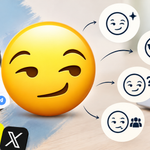
Emoji combinations can change the emotional weight of 🫦. A single emoji may feel ambiguous, while combinations involving hearts, smirks, eyes, kisses, or blushes can create a clearer tone of attraction, teasing, nervousness, or affection.
😏🫦 This combination often feels deliberately flirty and confident. The smirk adds playful teasing, while the lip-biting expression creates a stronger sense of attraction or anticipation.
🫦❤️ Together, these emojis can communicate affectionate attraction. The heart makes the expression warmer and more romantic, especially when used after a sweet or personal message.
👀🫦 This pairing can suggest that someone is paying attention while feeling intrigued. It works naturally in playful conversations where one person is waiting for the other’s response.
🫦🥰 The combination feels softer and affectionate. It may communicate that someone is feeling shy, happy, and romantically warm without sounding overly bold.
🫦🔥 This pairing has a stronger suggestive tone. It is most appropriate when both people are already comfortable with flirtatious communication and understand the playful intent.
🫣🫦 These emojis emphasize shy attraction. The combination can communicate nervous excitement when someone wants to show interest but feels embarrassed about being direct.
😘🫦 A kiss paired with lip biting can sound openly affectionate. It usually works best in established romantic conversations where both people are comfortable with this level of expression.
💕🫦 This combination creates a cute romantic mood. It can be used after a compliment, affectionate statement, or playful confession between people who share emotional closeness.
🤭🫦 The pairing suggests playful embarrassment. Someone might use it after making a cheeky comment and realizing that their message sounded more flirtatious than expected.
🥹🫦 This combination can express emotional vulnerability. It may appear when someone feels touched, shy, or overwhelmed by affection during a meaningful conversation.
🌹🫦 A rose gives the combination a romantic atmosphere. It may be suitable for messages about dates, affection, compliments, or anticipation of spending time together.
😍🫦 These emojis can emphasize admiration and attraction. The combination is especially expressive after someone receives a photo or compliment from a person they find appealing.
🫦✨ The sparkle adds excitement without making the message too intense. This combination can work when someone feels pleasantly surprised, shy, or excited.
🫦🤍 A white heart makes the expression gentler. It can communicate affection while keeping the tone softer than combinations involving more intense romantic symbols.
🫦🫶 This pairing can communicate closeness and affection. It works particularly well between partners or close friends who already understand each other’s playful communication style.
🫦💫 The combination can suggest anticipation. It may be used when someone is excited about an upcoming meeting, conversation, surprise, or romantic moment.
🫦😉 A wink makes the expression more obviously playful. It can signal that the sender knows their message has a teasing or flirtatious undertone.
🫦🥺 This combination can feel vulnerable and cute. It may communicate shy interest, emotional sensitivity, or a playful request for reassurance.
🫦🌙 A moon emoji can create a softer late-night mood. The combination may fit affectionate good-night messages or quiet romantic conversations.
🫦💌 A love-letter symbol makes the romantic context clearer. Together, the emojis can suggest affection, anticipation, or a sweet message intended for someone special.
Biting Finger Emoji and Nervousness or Embarrassment
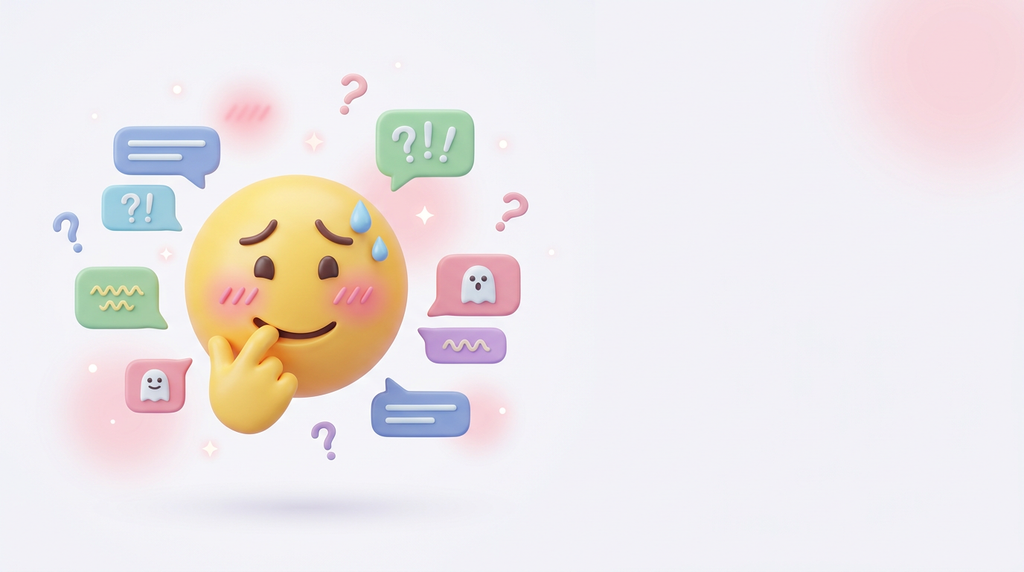
The 🫦 emoji does not always indicate attraction. It can also represent nervousness, awkwardness, embarrassment, or the feeling of holding back words. These meanings are especially common when the surrounding conversation is uncomfortable or emotionally uncertain.
😬 After an awkward question, 🫦 may communicate nervousness. The sender could be waiting for an answer while trying to make the uncomfortable moment feel less serious.
🙈 Someone embarrassed by a compliment may use 🫦 to acknowledge their reaction. It can communicate, “That made me shy,” without requiring a long explanation.
😅 After making a mistake, the emoji may soften the admission. The sender can acknowledge embarrassment while keeping the overall conversation light and friendly.
🫣 A shy-face combination strongly emphasizes discomfort or vulnerability. It can be useful when someone wants to show that they feel exposed but still want to continue talking.
🤭 If someone accidentally reveals a secret, 🫦 can suggest that they wish they had held back. The emoji becomes a playful symbol of regret or self-consciousness.
🤫 The combination may represent holding back words. Someone might use it after almost revealing information but deciding that silence is safer.
😳 A flushed face alongside 🫦 can emphasize embarrassment. This combination often appears when someone receives unexpected attention or realizes that a message sounded bold.
💭 The emoji may communicate uncertainty about what to say next. It can act as a visual pause while the sender gathers their thoughts.
🥹 Emotional vulnerability can sometimes look similar to romantic shyness. A person may use 🫦 simply because they feel overwhelmed or touched by something meaningful.
😐 If the surrounding message is serious, interpreting 🫦 as flirting may be inappropriate. Emoji meanings must always be evaluated within the emotional context of the conversation.
🙃 In awkward situations, expressive emojis can reduce tension. 🫦 may communicate discomfort while signaling that the sender does not want the exchange to become too serious.
😶 A silent or speechless reaction can sometimes be represented through expressive emojis. The sender may be struggling to respond rather than trying to flirt.
🫦😬 Together, these symbols can clearly suggest nervous energy. They may fit situations involving difficult questions, unexpected news, or uncomfortable conversations.
🫦😳 This pairing often communicates embarrassment. It can work when someone feels caught off guard by a compliment, confession, or surprising comment.
🫦🙈 The combination feels particularly shy. It may express that someone is embarrassed but still enjoying the attention or conversation.
🫦🤭 This pairing can suggest playful self-consciousness. Someone may know they said something revealing and use the emojis to acknowledge the awkwardness.
🫦🥺 The expression may communicate vulnerability rather than flirtation. It can be useful when someone wants emotional reassurance or feels nervous about another person’s reaction.
🫦💭 The combination can suggest that someone is thinking carefully. They may have an emotional response but not yet know how to put it into words.
🫦🫣 A person may use both when they feel exposed or shy. The combination creates a strong sense of hesitation and nervous anticipation.
🌿 The safest interpretation is often the simplest one: read the message first. If the words describe an awkward or stressful situation, 🫦 is more likely expressing nervousness than romantic attraction.
Biting Finger Emoji on Social Media
On social media, 🫦 can have a wider range of meanings because users communicate through comments, captions, reactions, memes, and short posts. Instagram, TikTok, WhatsApp, and other platforms may encourage different styles of emoji use.
📱 On Instagram, 🫦 may appear in comments beneath an attractive photo. Depending on the community, it can express admiration, flirtation, excitement, or playful appreciation.
🎵 TikTok users often combine expressive emojis with humorous or dramatic reactions. In this setting, 🫦 may simply emphasize a funny, surprising, or exaggerated emotional response.
💬 WhatsApp conversations tend to be more personal. A 🫦 message from a close friend or partner may carry more emotional context because the conversation is usually private.
❤️ Instagram comments containing 🫦 and a heart can suggest attraction. However, users sometimes comment with exaggerated emojis simply to support creators or friends.
🔥 A fire emoji can intensify reactions to photos, fashion, performances, or achievements. The combination may express admiration rather than literal romantic interest.
👀 Social media users frequently use eyes to show that something caught their attention. Adding 🫦 can make the reaction feel more playful or intrigued.
😍 A heart-eyes face with 🫦 can emphasize strong admiration. The combination often appears under posts involving attractive people, impressive outfits, or romantic content.
😂 Humor changes everything online. A dramatic 🫦 reaction under a meme may be intentionally exaggerated and should not automatically be interpreted as flirting.
✨ In beauty and fashion posts, 🫦 can be used as an expressive reaction to a striking look. The meaning may simply be that the poster looks impressive or stylish.
💕 Couples may use 🫦 in public comments as a subtle affectionate signal. The exact meaning is usually understood more clearly by people familiar with their relationship.
🫣 Shy reactions can work well under posts involving crushes or romantic jokes. The emoji combination communicates embarrassment while keeping the comment short.
🤭 A playful reaction can suggest that a post made someone laugh or feel embarrassed. Social media users often use emojis to communicate tone that plain text might miss.
🌟 Emoji culture changes over time as younger users develop new combinations and meanings. A symbol that feels romantic to one generation may be humorous or ironic to another.
🧠 Viral trends can influence interpretation. Users may copy an emoji combination because it is popular without intending the precise meaning described in online emoji dictionaries.
📸 Under a selfie, 🫦 may be a compliment. The person posting it might interpret the reaction as admiration, flirtation, or simply enthusiastic support.
🎬 Under entertainment content, the emoji may express excitement about a performance. It does not necessarily indicate attraction to the person shown in the video.
💫 Some users choose emojis primarily for visual style. The expression may match the mood or aesthetic of a caption without carrying a specific emotional message.
🌐 Cultural differences also affect emoji interpretation. People from different countries or online communities may attach different emotional meanings to the same symbol.
🔤 Emoji meaning can also shift according to accompanying text. A sentence about a crush creates a different interpretation from a sentence about an embarrassing mistake.
📲 Social media context should therefore be treated as a clue, not a rule. The safest interpretation considers the post, caption, relationship, community, and surrounding emojis together.
Cute and Romantic Biting Finger Emoji Meanings
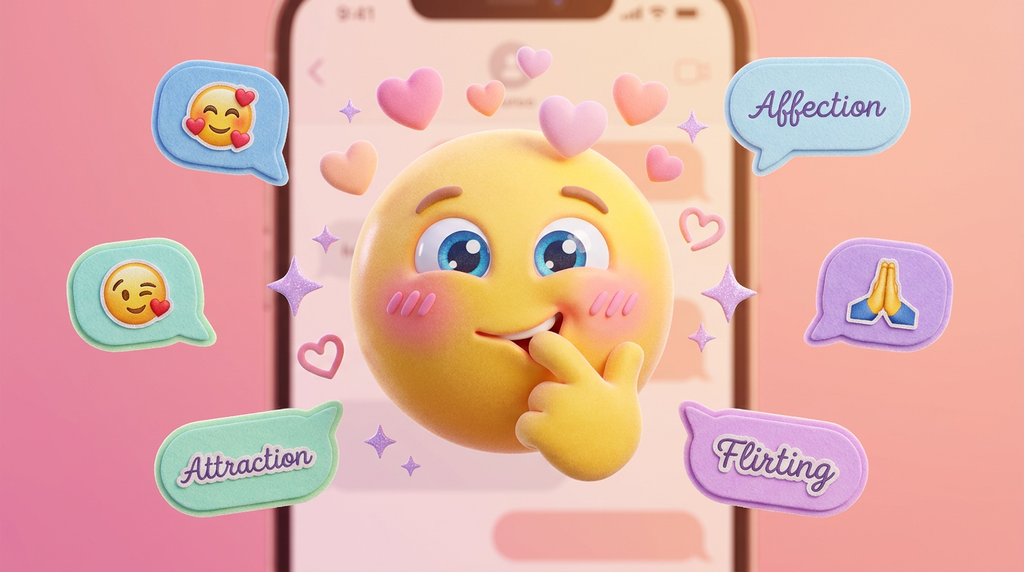
The 🫦 emoji can fit cute, affectionate, and romantic messages when used with softer symbols and warm language. Its meaning becomes gentler when the surrounding conversation focuses on affection, missing someone, compliments, dates, or emotional closeness.
🥰 A cute romantic message with 🫦 can express shy affection. It may suggest that someone feels happy about the attention but is slightly embarrassed to admit how much they enjoy it.
💗 The emoji can add playful emotion to a message about missing someone. Together, the symbols may communicate affection and anticipation for the next conversation or meeting.
🌷 A flower paired with 🫦 creates a soft romantic atmosphere. This combination can work in messages about dates, sweet compliments, or appreciation for someone special.
🫶 The combination expresses emotional closeness. It can be especially natural between couples who use playful emojis to communicate affection without making every message overly serious.
💌 A romantic note with 🫦 can sound warm and personal. The emoji adds a little nervous excitement, as though the sender feels shy while expressing their feelings.
🌙 A good-night message with 🫦 can feel affectionate and playful. It may suggest that someone is ending the conversation while still thinking warmly about the other person.
☀️ In a good-morning text, 🫦 can add a playful sense of anticipation. It may communicate that the sender is happy to begin the day by talking to someone they care about.
💞 When someone says they cannot wait to meet, 🫦 can reinforce anticipation. The expression may communicate excitement mixed with the natural nervousness of seeing someone special.
🥺 A romantic confession followed by 🫦 may feel vulnerable. It suggests that the sender is emotionally exposed and hoping the other person responds with kindness.
😘 Pairing the emoji with a kiss makes the affection more direct. This combination is best suited to relationships where both people are already comfortable with romantic expressions.
🌹 A rose can symbolize romance, while 🫦 adds playful tension. Together, they create a message that feels more intentional and affectionate than a simple heart.
💖 The combination can communicate admiration after a sweet compliment. It works well when someone wants to respond warmly without writing a long emotional explanation.
🫣 A shy face makes the expression more innocent. It may communicate that someone is attracted or affectionate but feels nervous about showing those feelings openly.
✨ Sparkles can make a romantic reaction feel lighter and more cheerful. This combination is useful when someone wants to express excitement without sounding overly intense.
🤍 A white heart gives the message a calm and tender quality. It may be appropriate for affectionate friendships as well as romantic relationships.
💫 The emoji can express dreamy anticipation when discussing future plans. It may suggest that someone is already imagining an enjoyable moment before it happens.
🥹 Someone missing a partner may use 🫦 to show emotional shyness. The expression can make a heartfelt message feel more personal and less formal.
🌸 In a conversation about a crush, 🫦 can communicate cute nervousness. It may be a playful alternative to directly saying, “I really like this person.”
💕 A heart combined with affectionate words and 🫦 can create a warm romantic tone. Still, the relationship should guide interpretation rather than the emoji alone.
🫦✨ In a sweet message, this pairing can simply add personality. Not every romantic emoji combination needs to carry a hidden message; sometimes it is just a cute way to show emotion.
How to Respond to the Biting Finger Emoji
Knowing how to respond to 🫦 depends on whether the original message feels flirty, nervous, funny, affectionate, or ambiguous. A good response should match the existing tone while respecting the relationship and the other person’s comfort level.
😉 If the message clearly feels playful, a wink can maintain the light teasing tone. This response works best when both people already enjoy joking and flirting with each other.
🥰 When the sender seems affectionate, responding warmly can acknowledge their emotion. A sweet message alongside the emoji can keep the conversation caring without making assumptions.
😏 If you are comfortable with mutual flirting, a smirk can return the playful energy. However, it is better to avoid escalating the tone if the relationship is unclear.
😂 If the emoji appears in a joke, answer with humor. Matching the comedic tone prevents an innocent reaction from becoming unnecessarily romantic or awkward.
❤️ If you already share a romantic relationship, a heart can be a simple and natural response. It communicates warmth without requiring a complicated explanation.
👀 When the meaning seems intentionally mysterious, asking a playful question can be effective. You might respond by inviting the sender to explain what they meant.
😊 A simple smile is useful when you want to acknowledge the message without encouraging stronger flirting. It keeps the response friendly and low-pressure.
🫣 If the sender seems shy, a gentle response can make them feel comfortable. Avoid teasing them too aggressively if they appear genuinely nervous.
💬 When the meaning is unclear, focus on the actual words. Respond to the sentence rather than trying to decode every emotional detail hidden inside the emoji.
🫶 For close friends, an affectionate response can work naturally. The key is matching the established communication style instead of assuming that 🫦 automatically means romance.
😅 If the message follows an awkward situation, reassurance may be more appropriate than flirting. A light response can help the other person feel that the moment is not a problem.
🤭 If the sender is clearly embarrassed, playful acknowledgment can work. Keep the tone kind so the person does not feel exposed or pressured.
💕 If mutual attraction is already established, an affectionate response may feel natural. Still, meaningful communication should not depend entirely on emoji interpretation.
🤫 If the emoji suggests a secret or withheld thought, you can respond playfully. A curious question may encourage the sender to reveal what they were thinking.
🌸 A gentle compliment can be appropriate when the conversation is sweet. This keeps the exchange positive without making the interaction more intense than necessary.
🔥 Use stronger flirtatious emojis only when you know the recipient welcomes that tone. Respectful communication is more important than matching a particular emoji trend.
🥹 If the message seems emotionally vulnerable, respond with reassurance. The sender may need understanding rather than a flirtatious reaction.
💫 If 🫦 represents anticipation, you can acknowledge the excitement. Mentioning the upcoming event or conversation directly may be clearer than sending another ambiguous emoji.
📱 Remember that emojis can be misunderstood easily. If a response could significantly change the relationship or conversation, clear words are usually safer than relying on symbols.
❤️ The best response reflects the relationship you actually have. Whether you answer with humor, affection, curiosity, or simplicity, your words should communicate genuine respect and emotional awareness.
Biting Finger Emoji vs Other Similar Emojis
The 🫦 emoji is often confused with other expressive symbols because many emojis communicate related emotions such as nervousness, embarrassment, attraction, or shyness. Comparing them helps explain why emoji interpretation should focus on subtle differences in facial expression and context.
🫦 The biting-lip emoji generally suggests lip biting, nervousness, attraction, anticipation, or playful tension. Its exact meaning depends heavily on the conversation and surrounding symbols.
😬 The grimacing face usually communicates discomfort, nervousness, awkwardness, or an uncomfortable reaction. It is generally less romantic than 🫦 unless the surrounding conversation changes the tone.
😏 The smirking face commonly suggests confidence, teasing, irony, or flirtation. Compared with 🫦, it usually feels more deliberate and self-assured.
😳 The flushed face emphasizes surprise, embarrassment, or being caught off guard. It can overlap with 🫦 when attraction causes nervousness or shyness.
🤭 The hand-over-mouth expression often signals embarrassment, amusement, or holding back a reaction. It can feel more humorous and less suggestive than 🫦.
🫣 The peeking face communicates shyness, discomfort, or nervous curiosity. It pairs naturally with 🫦 when someone wants to show vulnerable attraction.
🫢 The face with open eyes and hand over mouth can suggest shock or surprise. Unlike 🫦, it is usually focused more strongly on unexpected information or reactions.
🤐 The zipper-mouth emoji usually means keeping quiet, keeping a secret, or refusing to speak. Its meaning is more directly connected to silence than attraction.
🙈 The see-no-evil monkey can represent embarrassment, shyness, or not wanting to look at something. It often adds a cute tone that may overlap with 🫦.
🥺 The pleading face usually communicates vulnerability, affection, sadness, or a request. It is emotionally softer than the more playful tension associated with 🫦.
😍 Heart-eyes strongly communicates admiration or love. If paired with 🫦, the romantic or attraction-related interpretation becomes more noticeable.
😘 The kissing face directly suggests affection or a kiss. Compared with 🫦, it usually provides a clearer romantic signal.
🤪 The goofy face communicates silliness or exaggerated humor. It can completely change the meaning of 🫦 when used in the same playful conversation.
😅 The nervous smile commonly indicates embarrassment or relief. It is often a better fit than 🫦 when the main emotion is awkwardness rather than attraction.
🥰 The smiling face with hearts expresses warmth, affection, and happiness. Together with 🫦, it can create a softer romantic or cute interpretation.
👀 The eyes emoji communicates attention, curiosity, or interest. When paired with 🫦, it often makes the reaction feel more teasing or intrigued.
🤫 The shushing face suggests silence or secrecy. It may overlap with 🫦 when someone is implying that they are deliberately holding back words.
😶 The face without a mouth can represent speechlessness or uncertainty. It is more neutral than 🫦 and does not inherently suggest attraction.
🫦 remains distinctive because its visual expression combines physical gesture with emotional ambiguity. That is why people may interpret it as nervous, romantic, shy, teasing, or suggestive.
🧠 Comparing emojis shows why online dictionaries cannot provide every answer. Meaning comes from design, culture, conversation history, relationship, and the emotional tone surrounding each symbol.
How Emoji Context Changes the Biting Finger Emoji Meaning
Emoji interpretation is rarely universal. The same 🫦 can communicate attraction in one conversation, nervousness in another, and humor somewhere else. Context includes the words used, relationship, platform, timing, emoji combinations, and cultural expectations.
💬 The words surrounding 🫦 are usually the strongest clue. A romantic compliment creates a different interpretation from a message describing an embarrassing mistake.
❤️ Relationship status can influence interpretation. A partner may use 🫦 affectionately, while a friend might use the same emoji jokingly without romantic intent.
📱 Platform culture matters because different communities develop different emoji habits. A TikTok comment may be exaggerated, while a private message can carry more personal meaning.
🌍 Cultural differences can influence emoji symbolism. People from different backgrounds may understand gestures differently, so assumptions based on one culture may not always apply.
👀 The emojis placed next to 🫦 can provide important clues. Hearts, smirks, kisses, blushes, and eyes tend to create different emotional combinations.
😳 Timing also matters. If someone sends 🫦 immediately after receiving a compliment, embarrassment or attraction may be more likely than if they send it during a stressful conversation.
🥰 Personal emoji habits can be more important than general definitions. Some people use expressive emojis constantly, while others reserve them for emotionally meaningful conversations.
😂 Humor can override traditional symbolism. An emoji used in a meme, joke, or sarcastic comment may not reflect the sender’s actual emotional state.
🧠 Age and online community can influence interpretation. Younger users may adopt trends and combinations that older emoji dictionaries do not fully describe.
✨ Visual style can also influence choices. Someone may select 🫦 because it looks expressive or matches the aesthetic of their message rather than because of a precise definition.
🤫 The conversation topic may indicate that the sender is holding back information. In that case, 🫦 may communicate restraint instead of attraction.
💫 Anticipation is another contextual clue. Discussions about dates, travel, events, surprises, or important news can make the emoji express nervous excitement.
😬 Awkwardness becomes more likely when the surrounding text describes an uncomfortable situation. The emoji can soften the tone while still acknowledging nervousness.
🔥 Attraction becomes more plausible when the message includes compliments about appearance. Even then, it is important not to confuse playful admiration with serious romantic intent.
🫣 Shyness is often indicated by combinations involving embarrassed or hiding expressions. These pairings can make the emotional message feel more vulnerable.
🌹 Romantic symbols can create a clearly affectionate atmosphere. However, users sometimes employ romantic emojis jokingly, so the broader conversation remains important.
🗣️ Direct language provides better evidence than emoji symbolism. If someone clearly explains their feelings, their words should take priority over uncertain interpretations.
📖 Emoji dictionaries are useful starting points, but they cannot capture every social meaning. Internet slang changes quickly, and people develop personal ways of using symbols.
🔄 Meanings can evolve over time. An interpretation that is popular in 2026 may become less common later as online communities develop new trends and expressions.
🌟 The best approach is flexible interpretation. Treat 🫦 as a clue to emotional tone rather than a secret code, and consider the complete conversation before deciding what the sender means.
FAQs
What does the Biting Finger Emoji mean?
“Biting Finger Emoji” is a phrase some people use online to describe the 🫦 expression, although 🫦 is officially the biting-lip emoji. It can suggest nervousness, attraction, shyness, anticipation, embarrassment, or playful teasing.
Is 🫦 a biting finger emoji or biting lip emoji?
🫦 is officially the biting lip emoji, not a biting finger emoji. The phrase “biting finger emoji” may come from informal descriptions or confusion about the emoji’s visual appearance and online usage.
Does 🫦 mean flirting?
It can mean flirting, particularly when used with romantic words, hearts, smirks, kisses, or compliments. However, 🫦 can also represent nervousness, embarrassment, anticipation, or awkwardness.
What does 🫦 mean from a girl?
There is no universal meaning based on gender. A girl may use 🫦 to express attraction, shyness, nervousness, teasing, embarrassment, or simply a playful reaction. The surrounding conversation is the best clue.
What does 🫦 mean from a boy?
A boy can use 🫦 for the same broad range of emotions, including flirting, attraction, nervousness, teasing, and embarrassment. Gender alone does not determine the meaning of an emoji.
What does 🫦 mean in texting?
In texting, 🫦 often adds emotional tone to a message. Depending on context, it can make a sentence sound shy, flirty, nervous, playful, romantic, or suggestive.
Is 🫦 always a romantic emoji?
No. Although 🫦 can have a romantic or flirtatious meaning, it is not exclusively romantic. It may also express nervousness, awkwardness, anticipation, embarrassment, or a humorous reaction.
What does 😬 mean compared with 🫦?
😬 is generally associated with nervousness, discomfort, awkwardness, or an uncomfortable reaction. 🫦 has a wider range that can include attraction and flirtation in addition to nervousness.
What are good flirty emoji combinations with 🫦?
Common combinations include 😏🫦, 🫦❤️, 👀🫦, 🫦🔥, 🫦😘, and 🫦💕. Their meaning still depends on the relationship and the words surrounding the emojis.
How should I respond when someone sends 🫦?
Respond according to the established tone. If the conversation is clearly playful, you can answer playfully; if the meaning is unclear, respond to the actual words or ask a light question instead of assuming romantic intent.
Conclusion
The Biting Finger Emoji phrase is widely searched because people want to understand the emotional message behind 🫦. Although 🫦 is officially the biting-lip emoji, people may use informal descriptions when discussing its appearance or meaning. Its message can range from nervousness and embarrassment to attraction, teasing, affection, and anticipation.
The Biting Finger Emoji does not have one secret meaning that applies to every conversation. The words, relationship, platform, cultural background, and surrounding emojis all influence interpretation. When in doubt, treat the emoji as a clue to tone rather than definite proof of someone’s feelings.
Read More: 75+ Meaningful Thank You Card Messages Thank You Note Wording Ideas 2026